
Horse breed
Trait Poitevin
The Poitevin Draft originated from crosses between local horses from the Poitou region and Dutch and Flemish horses imported for marsh drainage. Its selection was heavily influenced by the production of highly renowned Poitevin mules.
The breed at a glance
The Poitevin Draft is renowned for its calm, gentle, and patient temperament. It is a willing, docile, and very people-oriented horse, making it an excellent working and leisure partner.
- Category
- draft horse
- Origin
- France · 17th century
- Height at withers
- 160–175 cm
- Weight
- 600–800 kg
- Lifespan
- 20-25 years
- Common coats
- bay, black, chestnut, grey, grullo
- Disciplines
- Competitive driving, Precision agricultural work, Logging
- Other names
- Poitevin Mulassier, Cheval Poitevin
Origin and history
The Poitevin Draft originated from crosses between local horses from the Poitou region and Dutch and Flemish horses imported for marsh drainage. Its selection was heavily influenced by the production of highly renowned Poitevin mules. The breed was officially recognized at the beginning of the 20th century. Today, it is one of the rarest French draft horses.
Conformation and physique
It is a large-sized, heavy, and powerful draft horse, with a strong bone structure and well-developed musculature. Its silhouette is massive and imposing, yet it retains a certain elegance.
Long and strong head, often somewhat straight or slightly convex, with a broad forehead and well-set ears. The eyes are expressive.
Long and thick neck, well-set, often somewhat straight, carrying an abundant mane. The withers are low and broad.
Long and broad back, sometimes slightly dipped. Deep and ample chest. Long, broad, and double croup, often slightly sloped, with a low-set tail.
Strong and robust limbs, with large joints and correct conformation. The feathers are abundant and thick, covering wide and flat feet.
- Common coats: bay, black, chestnut, grey, grullo
Temperament and aptitudes
The Poitevin Draft is renowned for its calm, gentle, and patient temperament. It is a willing, docile, and very people-oriented horse, making it an excellent working and leisure partner.
The gaits are ample, supple, and energetic for a horse of its build, with good hindquarter engagement. The walk is particularly extended and regular.
- Uses: Agricultural work (hauling, plowing), Forest skidding, Recreational and competitive driving, Equestrian tourism (carriage rides), Mule breeding (historically), Green space maintenance, Equine therapy
- Disciplines: Competitive driving, Precision agricultural work, Logging
Feeding the Trait Poitevin
The Poitevin Draft is a horse with a rather economical metabolism, capable of utilizing coarse forages. It tends to gain weight if not worked sufficiently or if its diet is too rich. An ad libitum supply of good quality hay is essential, supplemented with concentrates only if the workload demands it, favoring feeds low in sugars and starch.
Like many easy-keeping draft horses, the Poitevin Draft can be predisposed to laminitis and Equine Metabolic Syndrome (EMS) in cases of overfeeding or a diet too rich in non-structural carbohydrates. Careful dietary management is crucial to prevent these conditions.
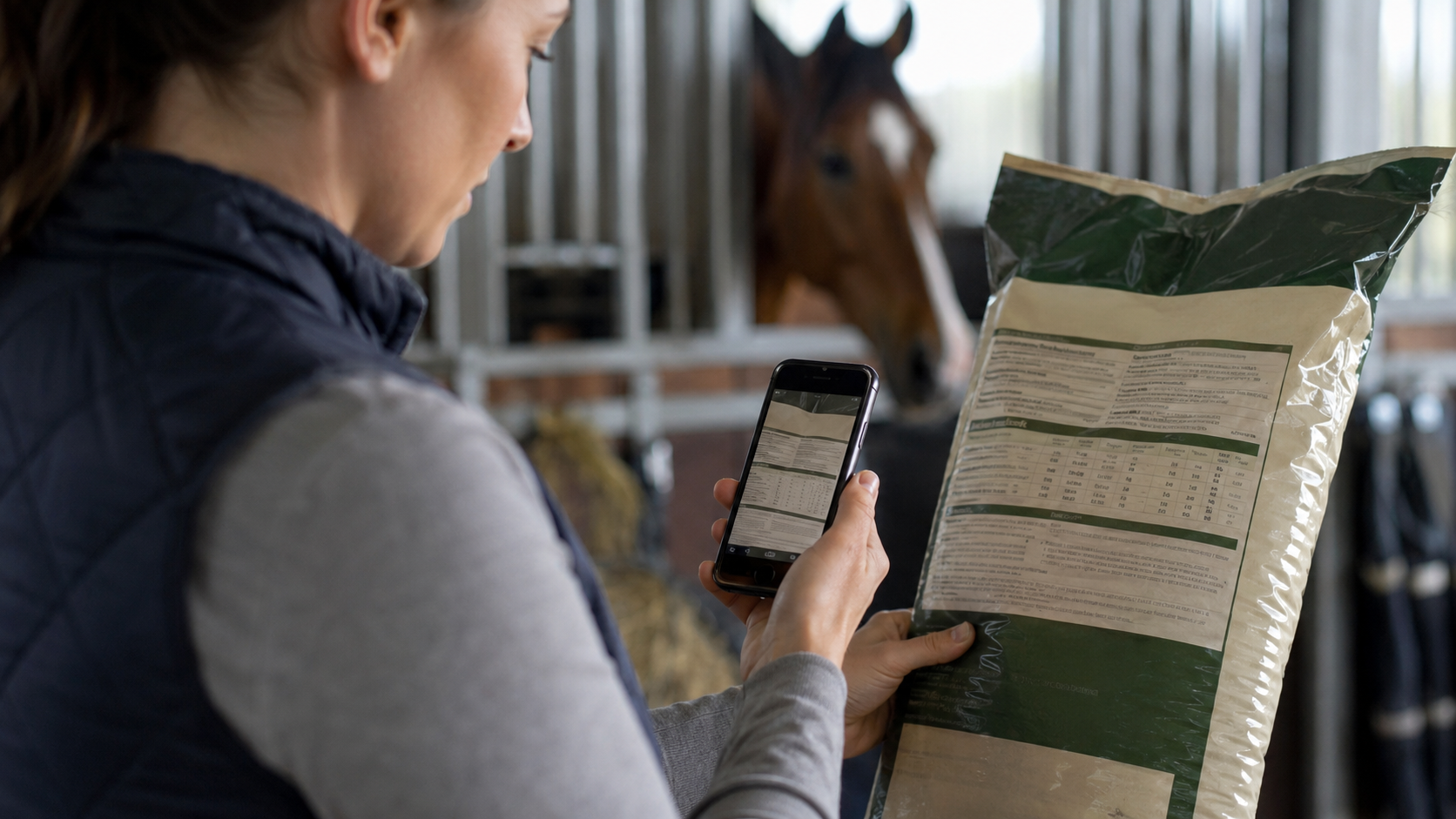
With Equio, every feed, supplement or treat is read against the horse's real profile (age, weight, Body Condition Score, conditions) — useful for a Trait Poitevin as soon as a metabolic or digestive sensitivity is known.
Health and points to watch
Carefully monitor weight and body condition to prevent obesity and metabolic risks. Particular attention should be paid to the feet, which are wide and can be prone to problems if not regularly maintained. The feathering requires regular cleaning to prevent skin conditions.
- More frequent conditions: Laminitis, Equine Metabolic Syndrome (EMS), Joint problems related to weight and workload, Pastern dermatitis (mud fever) due to abundant feathering
Care and grooming
Wide, flat hooves require regular and appropriate trimming. Abundant feathering must be meticulously cleaned and dried to prevent mud fever and other dermatitides. The mane and tail, often thick, require regular detangling. The coat does not require specific care, but clipping may be considered for horses working intensely to facilitate thermoregulation.
Did you know?
- The Trait Poitevin is one of the rare equine breeds that was selected for mule production, by crossing with the Poitou Donkey (Baudet du Poitou).
- It is nicknamed the 'marsh horse' due to its adaptation to the wetlands of Poitou.
- The 'louvet' coat, a variant of bay with lighter hairs on the body, is a genetic peculiarity of the breed, although rare.
The Trait Poitevin and how to track it
The Trait Poitevin is a very rare and endangered breed, subject to a conservation program. Its breeding is concentrated in its region of origin, Poitou, and it is primarily used for driving, logging, and landscape maintenance.
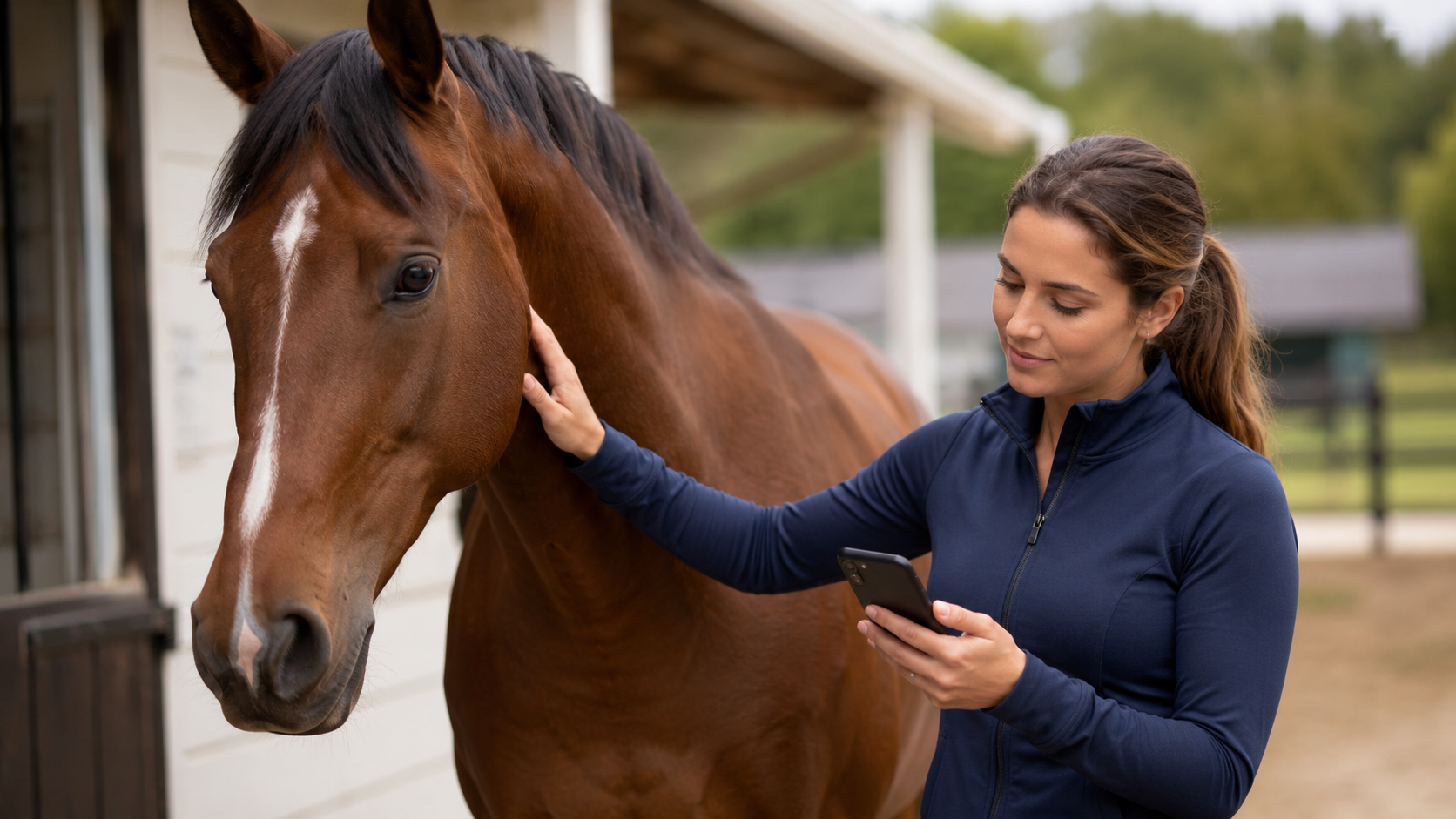
Equio lets you build a complete profile for a Trait Poitevin: identity, weight, Body Condition Score, feeding, conditions, care reminders (vaccines, worming, trimming) and an exportable health log. The breed sets the identity; everyday decisions still depend on the real horse and your vet's advice.
- Record the activity level: rest, leisure, sport or breeding
- Add known conditions or sensitivities
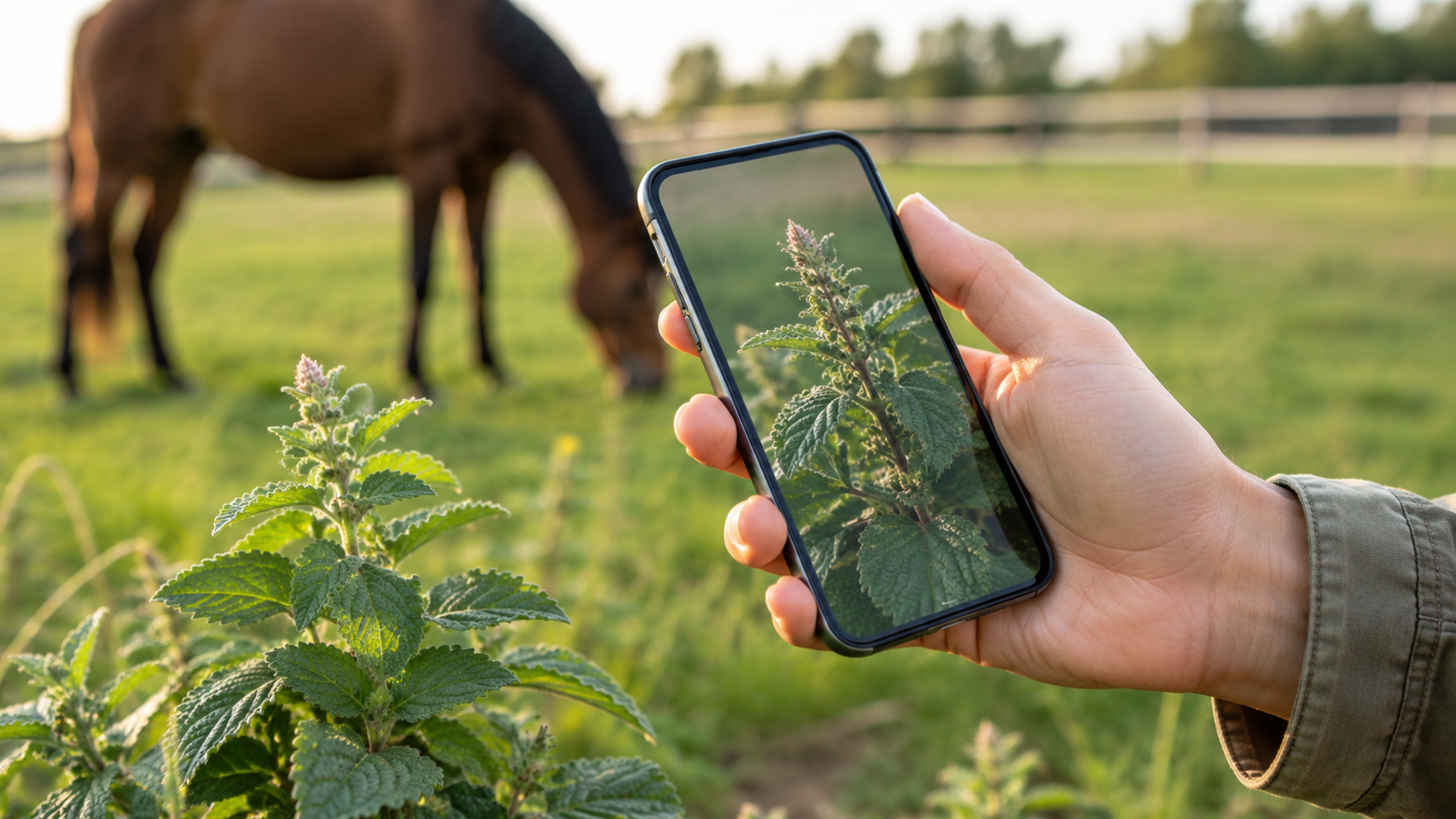
- Scan feeds, plants and care products
- Keep reminders (vaccines, worming, trimming)
- Prepare a PDF export before a vet appointment
Frequently asked questions
What is the particularity of the Trait Poitevin compared to other draft horses?
Its historical particularity lies in its major role in the production of highly sought-after Poitevin mules. It is also one of the heaviest and rarest French draft horses, with a massive build and very developed feathering.
Is the Trait Poitevin suitable for beginners?
Yes, its calm, gentle, and docile temperament makes it an excellent horse for beginners and less experienced riders, especially for driving or quiet hacks. Its large size can, however, be intimidating at first.
How to care for the Trait Poitevin's feathering?
Abundant feathering requires regular and meticulous care. It is crucial to clean and dry them after each outing, especially in wet environments, to prevent dermatitides and mud fever. Daily brushing helps maintain cleanliness.
Is the Trait Poitevin an endangered breed?
Yes, the Trait Poitevin is considered a critically endangered breed. Conservation programs are in place to preserve its population and genetic diversity, with a low number of births each year.
What is the acquisition cost of a Trait Poitevin?
The cost can vary considerably depending on the horse's age, sex, lineage, and training level. Due to its rarity and conservation efforts, prices may be higher than for other more common draft breeds. It is advisable to contact specialized breeders.