
Horse breed
Irish Draught
The Irish Draught originated from crosses between indigenous Irish horses and imported Iberian stallions, particularly Spanish war horses. The breed was developed to meet the needs of Irish farmers, requiring a versatile horse capable of working the land, hunting, and serving as a riding horse.

The breed at a glance
The Irish Draught is renowned for its calm, gentle, and intelligent temperament. It is a courageous, willing, and easy-to-train horse, making it an excellent partner for various activities. It is also very reliable and patient.
- Category
- draft horse
- Origin
- Ireland · 18th century
- Height at withers
- 158–170 cm
- Weight
- 600–750 kg
- Lifespan
- 20-25 years
- Common coats
- grey, bay, chestnut, black, roan
- Disciplines
- hunting, show jumping (in crossbreeding), eventing (in crossbreeding), dressage
- Other names
- Irish Draught, Irish Draft
Origin and history
The Irish Draught originated from crosses between indigenous Irish horses and imported Iberian stallions, particularly Spanish war horses. The breed was developed to meet the needs of Irish farmers, requiring a versatile horse capable of working the land, hunting, and serving as a riding horse. The studbook was established in 1917 by the Irish Department of Agriculture, formalizing the breed's recognition. It played a crucial role in the creation of the Irish Hunter.
Conformation and physique
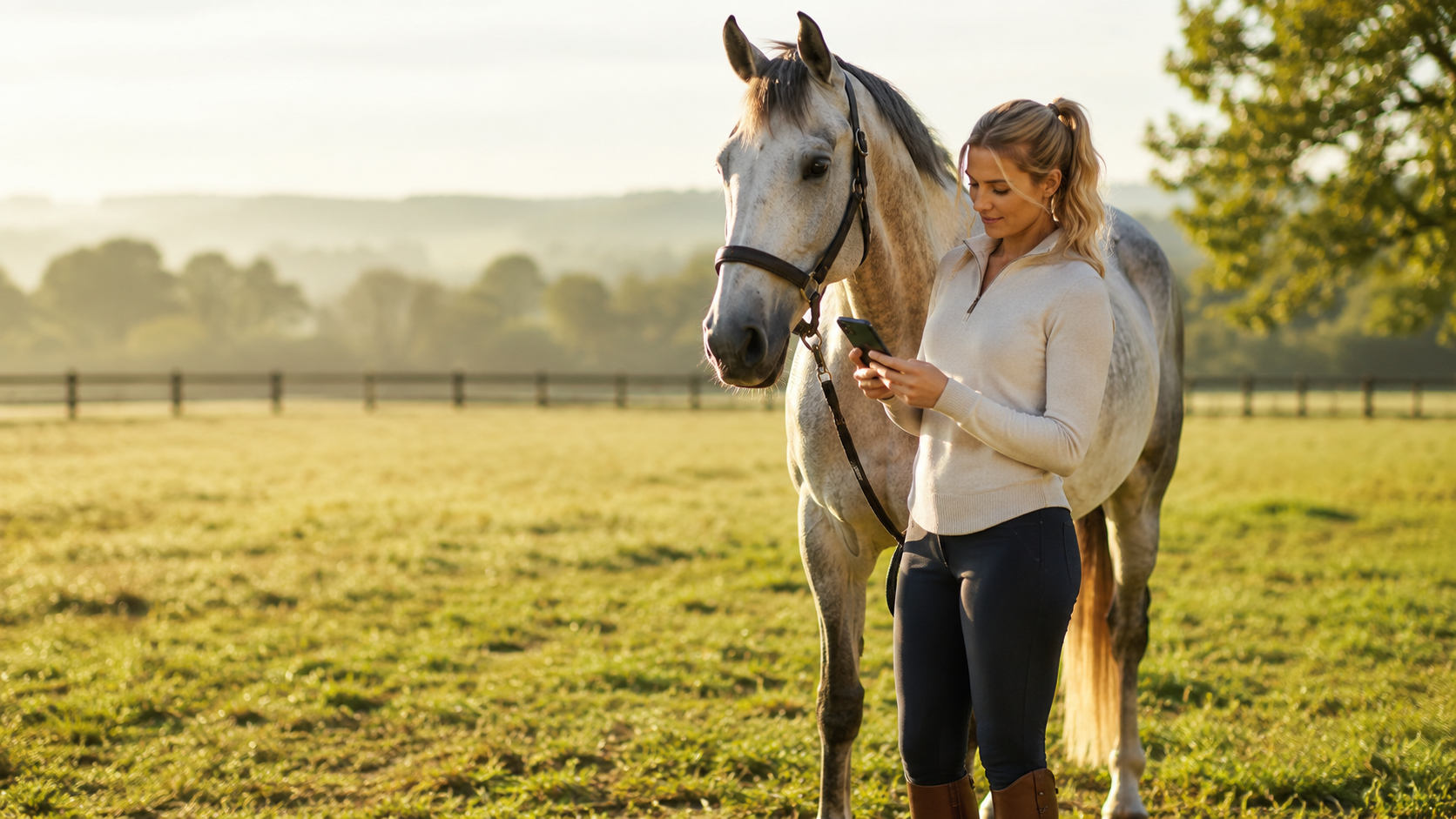
It is a medium to large-sized horse, powerful and athletic, with strong bone and well-developed musculature. It presents a harmonious silhouette, combining strength and elegance.
The head is of good size, well-proportioned, with a straight or slightly convex profile. The eyes are large, expressive, and intelligent; the ears are medium-sized and well-placed.
The neck is long, muscular, and well-arched, blending harmoniously into a well-defined and strong wither, allowing for good freedom of movement.
The back is short and strong, the topline is solid. The chest is deep and wide, offering great lung capacity. The croup is long, muscular, and slightly sloping, with a well-set tail.
The limbs are strong, with large and healthy joints. The cannons are short and the tendons well-defined. Feathering is present but not excessive, and the feet are round, hard, and well-formed.
- Common coats: grey, bay, chestnut, black, roan
Temperament and aptitudes
The Irish Draught is renowned for its calm, gentle, and intelligent temperament. It is a courageous, willing, and easy-to-train horse, making it an excellent partner for various activities. It is also very reliable and patient.
The gaits are ample, supple, and energetic, with good balance and great regularity. The walk is active, the trot is powerful, and the canter is balanced and comfortable, reflecting its versatility.
- Uses: farm horse (agricultural work), hunting horse (fox hunting), versatile riding horse, breeding of sport horses (notably the Irish Hunter), driving
- Disciplines: hunting, show jumping (in crossbreeding), eventing (in crossbreeding), dressage, driving
Feeding the Irish Draught
The Irish Draught is a horse with a rather efficient metabolism, capable of effectively utilizing forage. It tends to gain weight if not sufficiently worked or if its diet is too rich. A diet based on good quality forage (hay or grass) is essential. Concentrates are only necessary in cases of intense work or specific needs (growth, reproduction), and must be adapted to avoid excess weight.
Although robust, the Irish Draught can be prone to Equine Metabolic Syndrome (EMS) and laminitis if overfed or sedentary, due to its efficient metabolism. It is important to monitor its weight and limit sugar and starch intake for predisposed individuals.
With Equio, every feed, supplement or treat is read against the horse's real profile (age, weight, Body Condition Score, conditions) — useful for a Irish Draught as soon as a metabolic or digestive sensitivity is known.

Health and points to watch
Particular attention must be paid to weight management to prevent obesity and laminitis. Foot quality is generally good, but regular trimming is essential. Joint monitoring is recommended for older horses or those subjected to intense work.
- More frequent conditions: osteoarthritis (due to joint wear in working or older horses), weight problems (obesity, laminitis)
Care and grooming
Care for the Irish Draught is relatively standard. The hooves, known for their strength, require regular trimming every 6 to 8 weeks. The feathering, though present, is generally not excessive, and regular brushing is sufficient. The coat is easy to maintain, and clipping is only necessary for sport or intensely worked horses in winter.
Did you know?
- The Irish Draught is one of the two founding breeds of the famous Irish Hunter, a highly prized sport horse for show jumping and eventing.
- During both World Wars, the breed nearly disappeared due to motorization and the massive export of horses for the war effort.
- The Irish Draught is the only draught horse breed native to Ireland.
The Irish Draught and how to track it
The breed is present in France, but in limited numbers. It is primarily used for breeding sport horses, particularly to improve the strength and temperament of riding horses, or for leisure and driving activities.
Equio lets you build a complete profile for a Irish Draught: identity, weight, Body Condition Score, feeding, conditions, care reminders (vaccines, worming, trimming) and an exportable health log. The breed sets the identity; everyday decisions still depend on the real horse and your vet's advice.
- Record the activity level: rest, leisure, sport or breeding
- Add known conditions or sensitivities
- Scan feeds, plants and care products
- Keep reminders (vaccines, worming, trimming)
- Prepare a PDF export before a vet appointment
Frequently asked questions
Is the Irish Draught a good horse for beginners?
Yes, thanks to its calm, gentle, and cooperative temperament, the Irish Draught is often considered an excellent horse for beginner riders or those seeking a reliable and safe mount.
What is the difference between an Irish Draught and an Irish Hunter?
The Irish Draught is a pure breed of draught horse, whereas the Irish Hunter is a type of horse, usually a cross between an Irish Draught (for strength and temperament) and a Thoroughbred (for speed and agility).
Is the Irish Draught suitable for show jumping?
While the pure Irish Draught is not the typical show jumper due to its bulk, it possesses good impulsion and an excellent temperament. It is primarily used in crosses with lighter breeds to produce sport horses that excel in jumping and eventing.
What is the cost of an Irish Draught?
The price of an Irish Draught can vary considerably depending on age, level of training, bloodlines, and potential. You can generally expect to pay between 5,000 and 15,000 euros for a quality horse, but exceptional specimens can fetch higher prices.
Does the Irish Draught have specific health issues?
The Irish Draught is generally a robust breed. However, due to its efficient metabolism, it can be predisposed to obesity and laminitis if its diet and exercise are not managed correctly. Regular weight monitoring is essential.