
Horse breed
Belgian Draught Horse
The Belgian Draught Horse is one of the oldest and most influential draught horse breeds in the world, descending from the great medieval horses of Flanders. Its rigorous selection began in the 19th century, aiming to produce a powerful and docile horse for agriculture and transport.
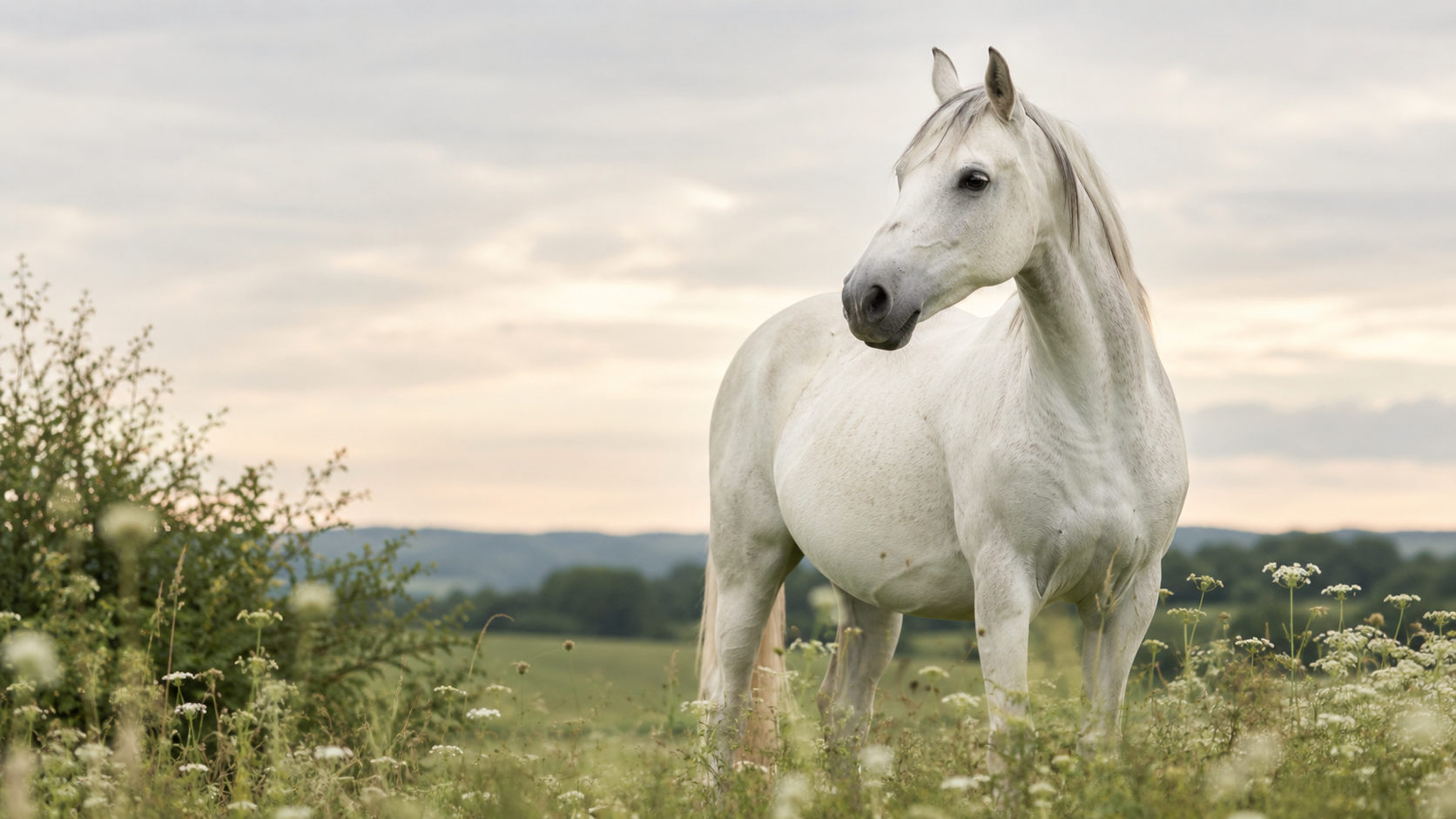
The breed at a glance
The Belgian Draught Horse is renowned for its calm, gentle, and docile temperament. It is a willing, patient, and very reliable horse, making it easy to handle and work with. It is highly valued for its kindness and its ability to work in a team.
- Category
- draft horse
- Origin
- Belgium · Middle Ages, established in the 19th century
- Height at withers
- 160–175 cm
- Weight
- 800–1200 kg
- Lifespan
- 20-25 years
- Common coats
- chestnut, roan, bay, grey
- Disciplines
- working harness, leisure driving, logging
- Other names
- Brabançon, Cheval de trait brabançon, Belgian Draft
Origin and history
The Belgian Draught Horse is one of the oldest and most influential draught horse breeds in the world, descending from the great medieval horses of Flanders. Its rigorous selection began in the 19th century, aiming to produce a powerful and docile horse for agriculture and transport. The breed was officially recognized and its studbook established in 1886, becoming a model for many other draught breeds. It played a crucial role in the development of agriculture and industry in Europe and North America.
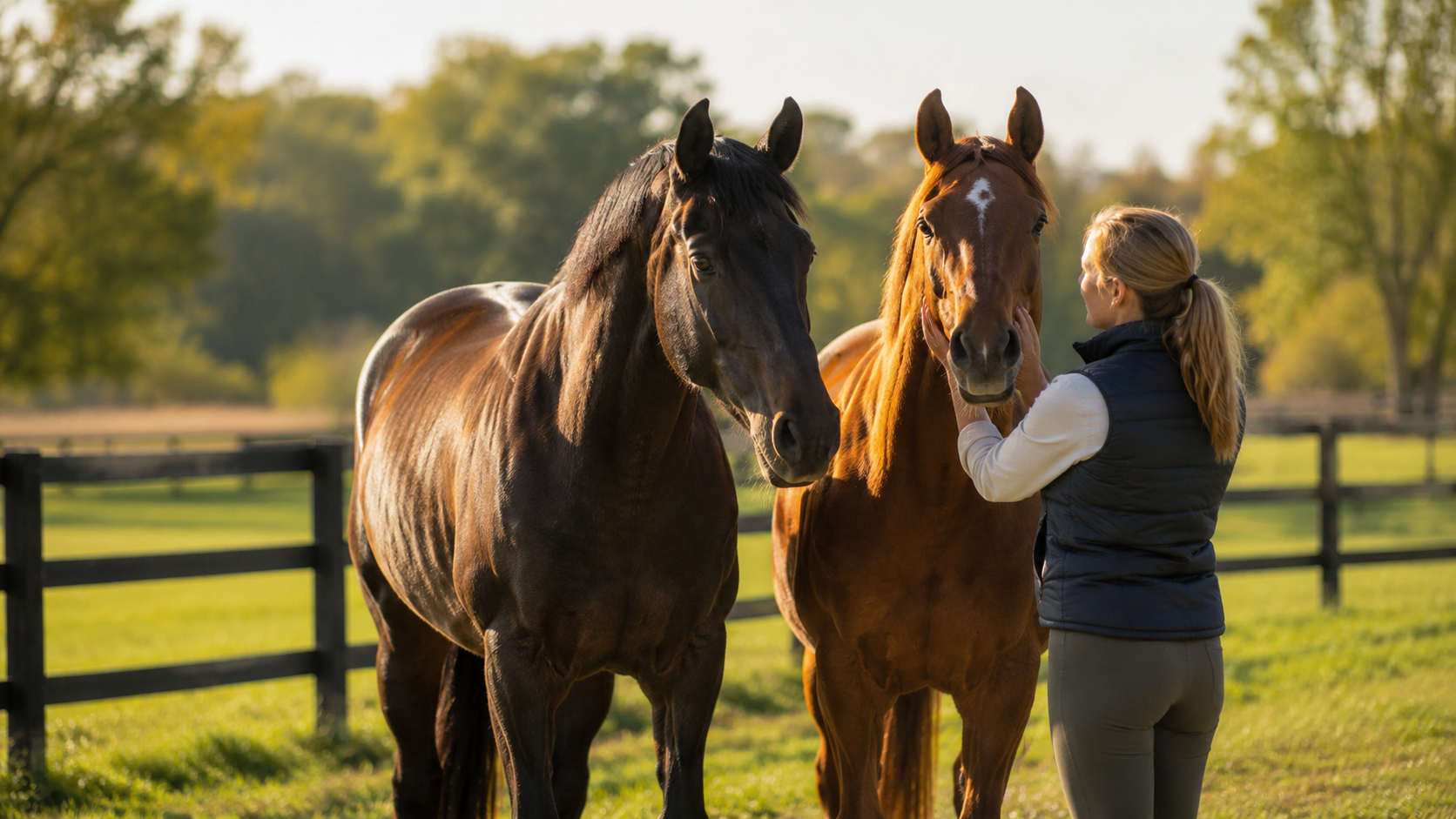
Conformation and physique
It is a heavy, massive, and powerful draught horse, with a compact and muscular build. It has strong bone structure and highly developed musculature, giving it great pulling power.
The head is medium-sized, expressive, with a straight or slightly convex profile. The eyes are large and lively, the ears small and well-placed.
The neck is short, thick, and very muscular, well-set into the shoulders. The withers are broad and not very prominent, blending smoothly into the back.
The body is very compact, with a short, broad, and powerful back. The topline is straight and muscular. The chest is broad and deep, and the croup is double, very muscular, and slightly sloped.
The limbs are short, strong, and very muscular, with large, solid joints. The feathering is abundant and silky, covering the pasterns. The feet are large and well-formed.
- Common coats: chestnut, roan, bay, grey
Temperament and aptitudes
The Belgian Draught Horse is renowned for its calm, gentle, and docile temperament. It is a willing, patient, and very reliable horse, making it easy to handle and work with. It is highly valued for its kindness and its ability to work in a team.
The gaits are ample, powerful, and regular, with good impulsion. Despite its mass, the Belgian Draught Horse moves with ease and energy, demonstrating great pulling power.
- Uses: agricultural draught work (historical and current), forestry logging, recreational and competitive driving, vineyard work, equestrian tourism (carriages), meat production (historical)
- Disciplines: working harness, leisure driving, logging
Feeding the Belgian Draught Horse
The Belgian Draught Horse has a rather efficient metabolism, capable of effectively utilizing forage. It tends to gain weight if not worked sufficiently or if its diet is too rich. A diet based on good quality forage (hay or grass) in sufficient quantity is essential. Concentrates are only necessary in cases of intense work or specific needs (growth, lactation), and should be given sparingly to prevent overweight.
Like many draught horses, the Belgian Draught Horse can be predisposed to Equine Metabolic Syndrome (EMS) and laminitis if overfed or sedentary. Careful monitoring of its weight and rigorous management of its diet are essential to prevent these conditions. It does not have a documented predisposition to PSSM or other specific sugar/starch sensitivities beyond general vigilance for heavy breeds.
With Equio, every feed, supplement or treat is read against the horse's real profile (age, weight, Body Condition Score, conditions) — useful for a Belgian Draught Horse as soon as a metabolic or digestive sensitivity is known.

Health and points to watch
Particular attention must be paid to the condition of the joints, especially in older or heavily worked horses. Monitoring the lower limbs and feathering is crucial to prevent skin conditions and lymphangitis. Regular farriery care is essential to maintain good foot health.
- More frequent conditions: joint conditions (osteoarthritis) due to its weight and work, lymphangitis (due to abundant feathering), foot problems (requiring regular and appropriate trimming)
Care and grooming
Abundant feathering requires regular maintenance to prevent mud accumulation and the appearance of dermatitis or mud fever. Daily brushing and thorough drying after work or rain are recommended. The mane and tail hair is generally thick and requires regular detangling. Hoof trimming should be performed every 6 to 8 weeks by a farrier experienced with draught horses.
Did you know?
- The Belgian Draught Horse has been widely used to improve other draught breeds worldwide, notably the American Draught Horse (Belgian Draft Horse in the United States).
- It is one of the heaviest and most powerful horses, capable of pulling considerable loads.
- The roan coat color is particularly emblematic of the breed and highly sought after.
The Belgian Draught Horse and how to track it
The Belgian Draught Horse is present in France, although less common than some French draught breeds. It is valued for its harnessing and working qualities, particularly in logging and conservation agriculture. A few breeders maintain the breed for its intrinsic qualities.
Equio lets you build a complete profile for a Belgian Draught Horse: identity, weight, Body Condition Score, feeding, conditions, care reminders (vaccines, worming, trimming) and an exportable health log. The breed sets the identity; everyday decisions still depend on the real horse and your vet's advice.
- Record the activity level: rest, leisure, sport or breeding
- Add known conditions or sensitivities
- Scan feeds, plants and care products
- Keep reminders (vaccines, worming, trimming)
- Prepare a PDF export before a vet appointment
Frequently asked questions
What is the average price of a Belgian Draught Horse?
The price of a Belgian Draught Horse varies considerably depending on age, sex, lineage, training level, and conformation. A foal can cost between 1,500 and 3,000 euros, while an adult horse trained for harnessing or work can reach 5,000 to 10,000 euros, or even more for exceptional individuals.
Is the Belgian Draught Horse suitable for beginners?
Yes, thanks to its calm and docile temperament, the Belgian Draught Horse is often considered an excellent breed for beginners, provided the rider or driver is aware of its size and strength. Its kindness and patience make it a reliable partner.
What are the main differences between the Belgian Draught Horse and the American Draught Horse?
The American Draught Horse (Belgian Draft Horse) is directly descended from Belgian Draught Horses imported into the United States. Over time, American selection favored a slightly larger type, often chestnut with flaxen mane, tail, and feathering, while the original Belgian Draught Horse retains a greater diversity of coat colors and sometimes a more compact conformation.
Can the Belgian Draught Horse be ridden?
Although primarily used for harnessing and draught work, the Belgian Draught Horse can certainly be ridden. Its broad back and calm temperament make it a comfortable and safe mount, especially for trail riding or light arena work.
How to care for the Belgian Draught Horse's feathering?
The Belgian Draught Horse's feathering requires regular maintenance to prevent skin problems. It is recommended to brush them daily to remove mud and debris, to wash and dry them thoroughly after each wet outing, and to monitor for the appearance of scabs or irritations that could indicate dermatitis or mud fever.