
Horse breed
Pindos Pony
The Pindos Pony is an indigenous breed from the Pindus mountains in Greece, likely descended from primitive horses of the region. It has been naturally selected for its hardiness and adaptation to difficult terrain.

The breed at a glance
The Pindos Pony is known for its calm, courageous, and docile temperament. It is very hardy, enduring, and hardworking, demonstrating great intelligence and sure-footedness. It is also very close to humans.
- Category
- hardy breed
- Origin
- Greece · Antiquity
- Height at withers
- 125–135 cm
- Weight
- 200–300 kg
- Lifespan
- 25-30 years
- Common coats
- bay, chestnut, black, grey
- Disciplines
- equestrian trail riding, leisure driving
- Other names
- Pindos Pony, Pindos Horse
Origin and history
The Pindos Pony is an indigenous breed from the Pindus mountains in Greece, likely descended from primitive horses of the region. It has been naturally selected for its hardiness and adaptation to difficult terrain. Used for centuries as a pack and draft animal by local populations, it has played a crucial role in the rural economy. The breed is officially recognized in Greece and is subject to conservation programs.
Conformation and physique
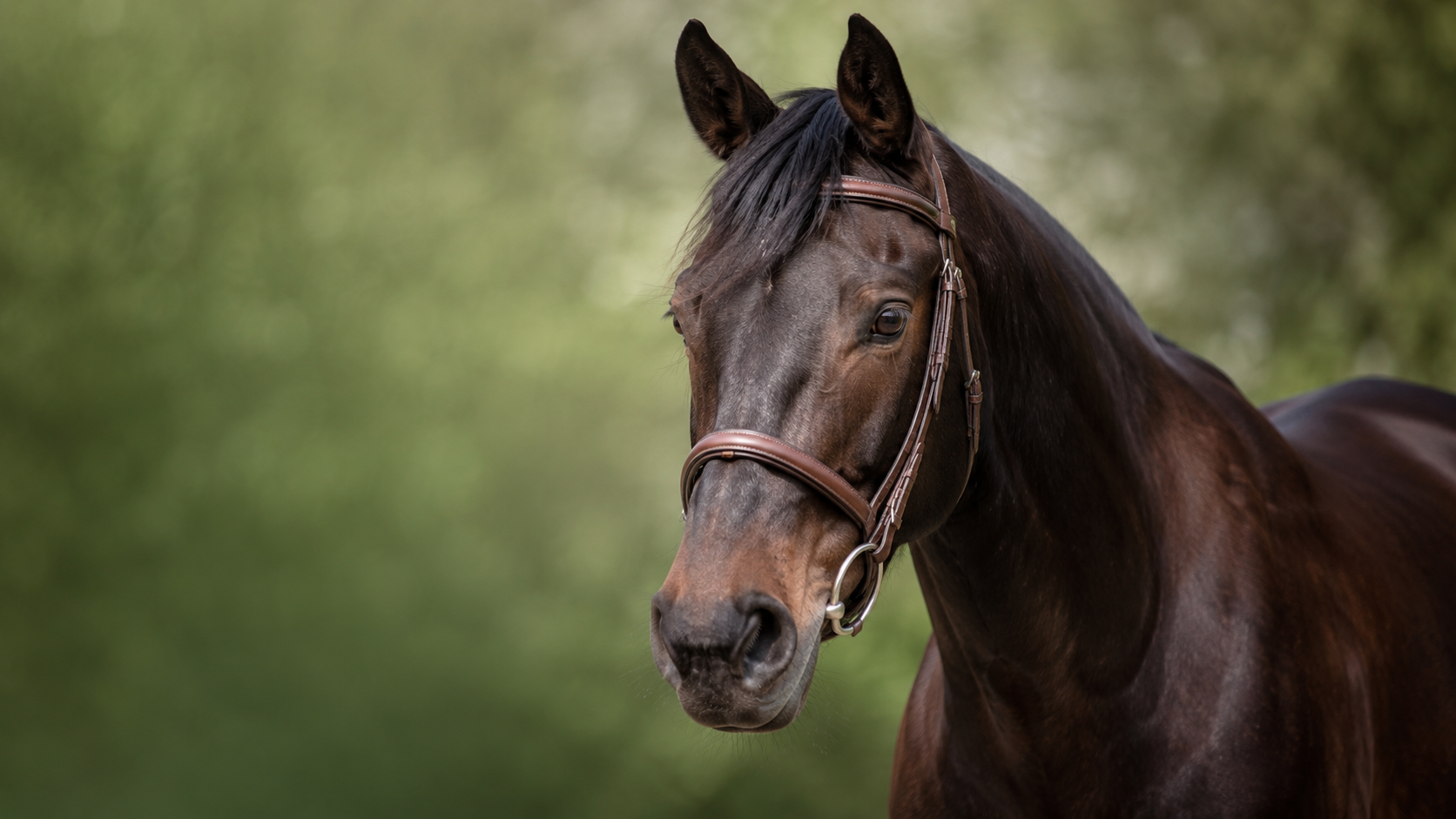
It is a small pony, with a compact and muscular build, and a solid bone structure. It exhibits a typical silhouette of mountain breeds, robust and enduring.
The head is medium-sized, with a straight or slightly convex profile. The eyes are lively and expressive, the ears are small and well-set.
The neck is short, thick, and well-muscled, blending into a low but well-set wither.
The back is short and strong, the topline is straight. The chest is deep and broad, the croup is muscular and slightly sloping.
The limbs are short, clean, and very strong, with well-developed joints and distinct tendons. The hooves are hard and tough. Feathering is generally sparse.
- Common coats: bay, chestnut, black, grey
Temperament and aptitudes
The Pindos Pony is known for its calm, courageous, and docile temperament. It is very hardy, enduring, and hardworking, demonstrating great intelligence and sure-footedness. It is also very close to humans.
The gaits are energetic, sure-footed, and regular, with good stride length at the walk and trot, adapted to mountainous and rugged terrain.
- Uses: pack animal, light agricultural work, recreational riding, equestrian trail riding, light driving, mountain packing
- Disciplines: equestrian trail riding, leisure driving
Feeding the Pindos Pony
The Pindos Pony is a hardy and very economical breed. Its metabolism is adapted to poor environments, which makes it prone to obesity if its diet is too rich. It thrives on medium to good quality forage, mainly grass or hay. Concentrates are only necessary in cases of intense work or specific needs (gestation, lactation), and should be given sparingly to avoid overfeeding.
Due to its economical metabolism, the Pindos Pony is predisposed to Equine Metabolic Syndrome (EMS) and laminitis if overfed or if it has unlimited access to rich pastures, especially in spring. Careful dietary management is crucial to prevent these conditions.
With Equio, every feed, supplement or treat is read against the horse's real profile (age, weight, Body Condition Score, conditions) — useful for a Pindos Pony as soon as a metabolic or digestive sensitivity is known.

Health and points to watch
Regular monitoring of weight and body condition is essential to prevent obesity and associated risks. The hooves, although robust, require regular trimming to maintain their integrity, especially if they are not naturally worn down on hard ground.
- More frequent conditions: laminitis, Equine Metabolic Syndrome (EMS), age-related dental problems
Care and grooming
The Pindos Pony's hooves are naturally hard and resistant, but regular trimming is necessary, especially if it lives on soft ground. The mane and tail are generally thick and require regular brushing. Its hardy coat does not require special care, and clipping is rarely necessary except for ponies working intensely in winter.
Did you know?
- The Pindos Pony is capable of carrying heavy loads over considerable distances and very steep terrain, which earned it the nickname 'camel of the mountains'.
- It is often used by Greek shepherds for the transhumance of their flocks in the Pindus Mountains.
- Despite its small size, it is known for its strength and ability to survive in extreme climatic conditions, with harsh winters and hot summers.
The Pindos Pony and how to track it
The Pindos Pony is very rare in France, with an almost non-existent population. There is no structured breeding of this race in France, and individuals present are generally imported for reasons of curiosity or conservation.
Equio lets you build a complete profile for a Pindos Pony: identity, weight, Body Condition Score, feeding, conditions, care reminders (vaccines, worming, trimming) and an exportable health log. The breed sets the identity; everyday decisions still depend on the real horse and your vet's advice.
- Record the activity level: rest, leisure, sport or breeding
- Add known conditions or sensitivities
- Scan feeds, plants and care products
- Keep reminders (vaccines, worming, trimming)
- Prepare a PDF export before a vet appointment
Frequently asked questions
Is the Pindos Pony suitable for children?
Yes, thanks to its calm, docile temperament and sure-footedness, the Pindos Pony is an excellent companion for children, whether for recreational riding or trekking. Its small size also makes it easy to handle.
What is the average lifespan of a Pindos Pony?
The Pindos Pony is a hardy and robust breed with excellent longevity. It can live on average between 25 and 30 years, and some individuals even exceed this age with good care.
Is the Pindos Pony easy to care for?
Yes, it is a very easy-to-care-for breed. It is undemanding in terms of feeding and care, and its hardiness allows it to live outdoors all year round, provided it has shelter from the elements.
Where can one find a Pindos Pony in France?
The Pindos Pony is extremely rare in France. There are no known breeders. To acquire one, you would probably need to turn to breeders in Greece or breed conservation associations.
Is the Pindos Pony an endangered breed?
Yes, although conservation efforts are underway in Greece, the Pindos Pony is considered an endangered breed due to the decline in its traditional use and crossbreeding with other breeds. Its population is relatively small.