
Horse breed
Newfoundland Pony
Descending from British (Exmoor, Dartmoor, New Forest, Welsh) and Irish (Connemara, Kerry Bog) ponies imported by settlers in the 17th century, the Newfoundland Pony developed by adapting to the island's harsh climatic conditions and rugged terrain. It was used as a versatile working animal by fishermen and farmers.
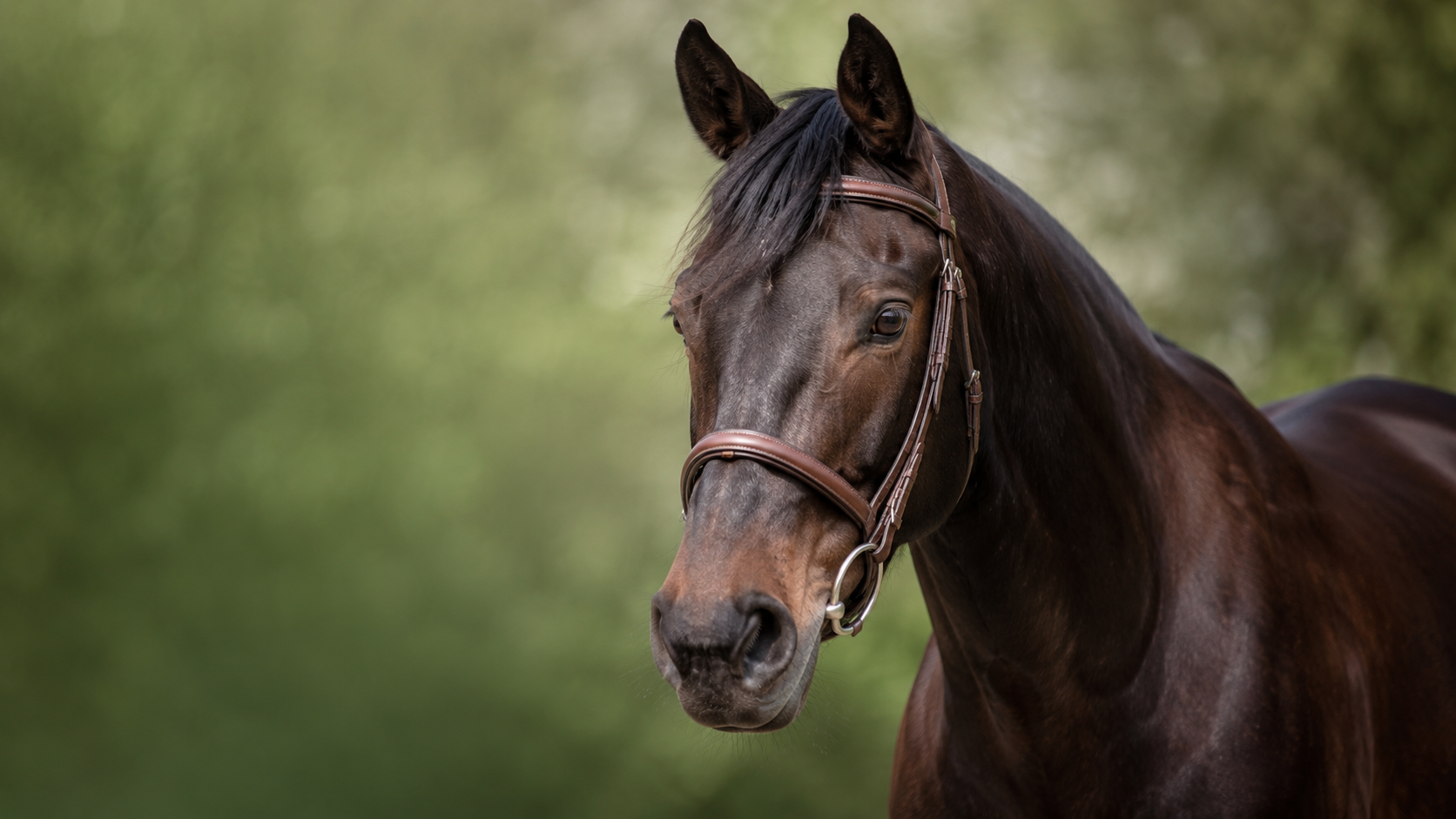
The breed at a glance
The Newfoundland Pony is renowned for its calm, gentle, and cooperative temperament. It is intelligent, courageous, hardy, and very willing to work, making it an excellent companion for the whole family.
- Category
- hardy breed
- Origin
- Canada · 17th century
- Height at withers
- 112–142 cm
- Weight
- 200–350 kg
- Lifespan
- 25-30 years
- Common coats
- black, bay, chestnut, grey, roan
- Disciplines
- driving, equestrian trail riding, recreational riding, groundwork
- Other names
- Newfoundland Pony
Origin and history
Descending from British (Exmoor, Dartmoor, New Forest, Welsh) and Irish (Connemara, Kerry Bog) ponies imported by settlers in the 17th century, the Newfoundland Pony developed by adapting to the island's harsh climatic conditions and rugged terrain. It was used as a versatile working animal by fishermen and farmers. The breed was officially recognized in Canada in 1980 and is now considered endangered.

Conformation and physique
It is a robust, compact, and well-muscled pony with strong bone. It has a mesomorphic build, suited for draft work and labor in challenging environments.
Pony head, well-proportioned to the body, with a broad forehead, expressive eyes, and a straight or slightly concave profile. The ears are small and well-placed.
Short, thick, and muscular neck, well-set. The withers are not very pronounced, blending harmoniously into the back.
Short and strong back, straight and muscular topline. Broad and deep chest, well-sprung ribs. Rounded and muscular croup, often double.
Short, strong, and well-set limbs, with broad joints and well-defined tendons. The feathering is abundant, especially in winter. The hooves are round, hard, and well-formed.
- Common coats: black, bay, chestnut, grey, roan
Temperament and aptitudes
The Newfoundland Pony is renowned for its calm, gentle, and cooperative temperament. It is intelligent, courageous, hardy, and very willing to work, making it an excellent companion for the whole family.
The gaits are regular, energetic, and sure-footed, with good amplitude. The walk is active and the trot is powerful, allowing it to cover varied terrain with ease.
- Uses: light draft (carts, sleds), agricultural work, packing, recreational riding, driving, equine-assisted therapy, family pony
- Disciplines: driving, equestrian trail riding, recreational riding, groundwork
Feeding the Newfoundland Pony
The Newfoundland Pony is a hardy and very economical breed, accustomed to limited resources. It has an efficient metabolism and is prone to obesity if its diet is not controlled. A diet based primarily on good quality forage (hay, grass) is sufficient for most individuals. Concentrates are only necessary in cases of intense work or specific needs (gestation, lactation) and should be given sparingly.
Due to its economical metabolism, the Newfoundland Pony is predisposed to laminitis and Equine Metabolic Syndrome (EMS), especially if overfed or given unlimited access to rich pastures. It is therefore crucial to monitor its weight and limit the intake of sugars and starch.
With Equio, every feed, supplement or treat is read against the horse's real profile (age, weight, Body Condition Score, conditions) — useful for a Newfoundland Pony as soon as a metabolic or digestive sensitivity is known.

Health and points to watch
Regular monitoring of weight and body condition is essential to prevent obesity and associated pathologies such as laminitis and EMS. Particular attention must be paid to hoof quality, which should be regularly maintained to avoid problems related to their rapid growth and robustness.
- More frequent conditions: laminitis, Equine Metabolic Syndrome (EMS), obesity
Care and grooming
The Newfoundland Pony's hooves are naturally hard and resilient but require regular trimming (every 6-8 weeks) to maintain their shape and prevent imbalances. The mane, tail, and feathering are thick and abundant, requiring regular brushing to prevent knots and mud accumulation. The dense coat protects it well from the cold, but regular brushing helps remove dead hair, especially during shedding. Clipping is generally not necessary except for ponies in intense work.
Did you know?
- The Newfoundland Pony was designated as the official provincial horse of Newfoundland and Labrador in 1997.
- In the 1970s, the breed was on the verge of extinction, with fewer than 100 individuals. Conservation efforts have helped stabilize its population.
- These ponies were once used to pull carts of fish and wood, and to help fishermen haul their nets onto the beaches.
The Newfoundland Pony and how to track it
The Newfoundland Pony is a rare breed outside of Canada and the United States. Its presence in France is anecdotal, with very few individuals or breeding establishments recorded.
Equio lets you build a complete profile for a Newfoundland Pony: identity, weight, Body Condition Score, feeding, conditions, care reminders (vaccines, worming, trimming) and an exportable health log. The breed sets the identity; everyday decisions still depend on the real horse and your vet's advice.
- Record the activity level: rest, leisure, sport or breeding
- Add known conditions or sensitivities
- Scan feeds, plants and care products
- Keep reminders (vaccines, worming, trimming)
- Prepare a PDF export before a vet appointment
Frequently asked questions
Is the Newfoundland Pony suitable for children?
Yes, thanks to its calm, gentle, and patient temperament, the Newfoundland Pony is an excellent choice for children and beginner riders. Its robustness and small size make it a safe and reliable pony.
What is the price of a Newfoundland Pony?
The price of a Newfoundland Pony can vary considerably depending on age, sex, training, and bloodline. Due to its rarity, especially outside North America, prices can be higher than for more common breeds, and availability is limited.
Is the Newfoundland Pony easy to care for?
Yes, it is a hardy and easy-to-maintain breed. It is well-adapted to cold climates and can live outdoors year-round with adequate shelter. Its dietary needs are modest, but monitoring its weight is crucial to prevent obesity.
Can a Newfoundland Pony be used for driving?
Absolutely. The Newfoundland Pony has a long history as a working and driving pony. Its strength, hardiness, and willing temperament make it an excellent partner for driving, whether for leisure or light competition.
What is the average lifespan of a Newfoundland Pony?
The Newfoundland Pony is a remarkably long-lived breed, with a typical life expectancy of 25 to 30 years. Some individuals can live even longer with appropriate care and good health management.