
Horse breed
Sable Island Pony
The Sable Island Ponies are descendants of domestic horses introduced to Sable Island, off the coast of Nova Scotia, as early as the 17th century. These horses, likely of Portuguese and Scottish origin, were abandoned or released and evolved into an an isolated wild population.

The breed at a glance
The Sable Island Pony is known for its hardy, resilient, and independent temperament. Although wild, it can be curious and adapt to human presence with patience. It is intelligent and possesses a strong survival instinct.
- Category
- hardy breed
- Origin
- Canada · 17th century
- Height at withers
- 130–145 cm
- Weight
- 300–400 kg
- Lifespan
- 20-25 years
- Common coats
- bay, chestnut, black, grey
- Disciplines
- Not used in sports, wild population
- Other names
- Sable Island Pony
Origin and history
The Sable Island Ponies are descendants of domestic horses introduced to Sable Island, off the coast of Nova Scotia, as early as the 17th century. These horses, likely of Portuguese and Scottish origin, were abandoned or released and evolved into an an isolated wild population. They developed unique characteristics to survive in this harsh environment. The breed has never been officially recognized by a traditional studbook but is protected as a wild population.
Conformation and physique
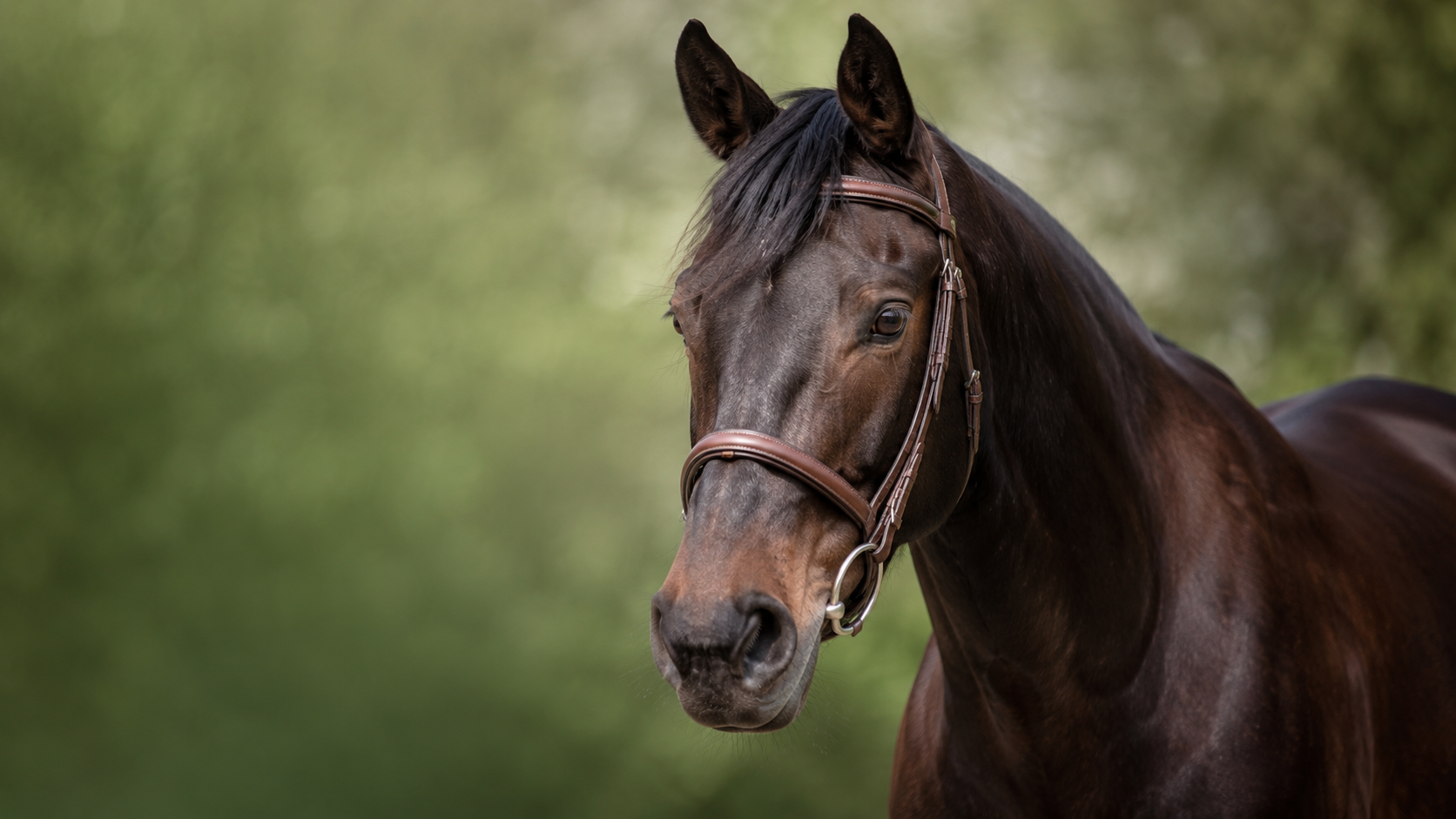
The Sable Island Pony is a medium-sized pony, robust and compact, with strong bone structure. It has a hardy build, adapted to wild life and harsh climatic conditions.
Medium-sized head, often somewhat coarse, with a straight or slightly convex profile. The eyes are expressive and the ears are medium-sized.
Short, muscular neck, well-set, blending into a low-set wither. This structure provides great robustness.
Short, strong back, straight topline. Broad and deep chest, ensuring good respiratory capacity. Rounded and muscular hindquarters, often slightly sloped.
Short, strong, and well-muscled limbs, with strong joints and well-defined tendons. The hooves are hard and well-formed, adapted to sandy soils. Feathers are generally sparse.
- Common coats: bay, chestnut, black, grey
Temperament and aptitudes
The Sable Island Pony is known for its hardy, resilient, and independent temperament. Although wild, it can be curious and adapt to human presence with patience. It is intelligent and possesses a strong survival instinct.
The gaits are free, energetic, and sure-footed, with good ground cover. The walk is active, the trot is regular, and the canter is powerful, adapted to traversing rough and sandy terrain.
- Uses: No traditional domestic use, protected wild population, Subject of scientific study (ecology, genetics), Tourist attraction (wildlife viewing)
- Disciplines: Not used in sports, wild population
Feeding the Sable Island Pony
As a wild breed, the Sable Island Pony is a highly efficient metabolizer, accustomed to limited and low-quality food resources. It feeds mainly on dune grasses, maritime plants, and beached seaweed. It is very resistant to hunger and thirst. In captivity, it would require a very controlled diet, rich in fiber and low in sugars and starch, to prevent obesity and metabolic disorders.
Due to its adaptation to a poor environment, the Sable Island Pony is very susceptible to obesity and metabolic disorders if fed a diet that is too rich. It is highly probable that it is predisposed to Equine Metabolic Syndrome (EMS) and laminitis in cases of overfeeding or access to overly rich pastures, although these conditions are not documented in the wild population.
With Equio, every feed, supplement or treat is read against the horse's real profile (age, weight, Body Condition Score, conditions) — useful for a Sable Island Pony as soon as a metabolic or digestive sensitivity is known.

Health and points to watch
The health of Sable Island Ponies is primarily managed by natural selection. In case of capture or domestication, particular attention should be paid to weight management, laminitis prevention, and an appropriate deworming program, given their efficient metabolism.
- More frequent conditions: Gastrointestinal parasitism (in the wild), Injuries due to weather or social interactions
Care and grooming
As a wild population, Sable Island Ponies do not receive specific care. Their hooves are naturally worn down by the terrain. Their manes, tails, and coats are adapted to extreme climatic conditions, shedding naturally. In case of domestication, regular hoof trimming and occasional brushing would be necessary, but excessive care would be counterproductive for this hardy breed.
Did you know?
- Sable Island Ponies are the only large terrestrial mammals living freely on Sable Island.
- Their population is managed by Parks Canada and is protected by Canada's Species at Risk Act.
- They are known for their ability to dig in the sand to find fresh water.
The Sable Island Pony and how to track it
The Sable Island Pony breed is a wild population endemic to Sable Island in Canada. There is no breeding or use of this breed in France.
Equio lets you build a complete profile for a Sable Island Pony: identity, weight, Body Condition Score, feeding, conditions, care reminders (vaccines, worming, trimming) and an exportable health log. The breed sets the identity; everyday decisions still depend on the real horse and your vet's advice.
- Record the activity level: rest, leisure, sport or breeding
- Add known conditions or sensitivities
- Scan feeds, plants and care products
- Keep reminders (vaccines, worming, trimming)
- Prepare a PDF export before a vet appointment
Frequently asked questions
Can one buy a Sable Island Pony?
No, Sable Island Ponies are a wild population protected by Canadian law. It is illegal to capture or purchase them. They are not intended for domestication or private breeding.
How do Sable Island Ponies survive on an isolated island?
They have developed great resilience and unique adaptations: they feed on coastal vegetation and seaweed, dig in the sand for fresh water, and their thick coat protects them from cold and wind. Their efficient metabolism allows them to subsist on few resources.
What is the typical size of a Sable Island Pony?
Sable Island Ponies generally measure between 130 and 145 cm at the withers, which classifies them as ponies. Their compact size is an advantage for their survival in their environment.
Are Sable Island Ponies aggressive?
As wild animals, they are naturally wary of humans and prefer to keep their distance. They are not aggressive by nature, but can defend themselves if they feel threatened, like any wild animal.
Are there Sable Island Ponies outside Sable Island?
A few individuals have been removed from the island in the past, particularly for scientific studies or conservation reasons, but the vast majority of the population lives exclusively on Sable Island. There is no significant population outside the island.