
Horse breed
Java Pony
The Java Pony is an indigenous breed from Java Island, Indonesia, with origins dating back several centuries. It resulted from crosses between local ponies and horses imported by traders and colonizers, notably Arabian and Mongolian horses.
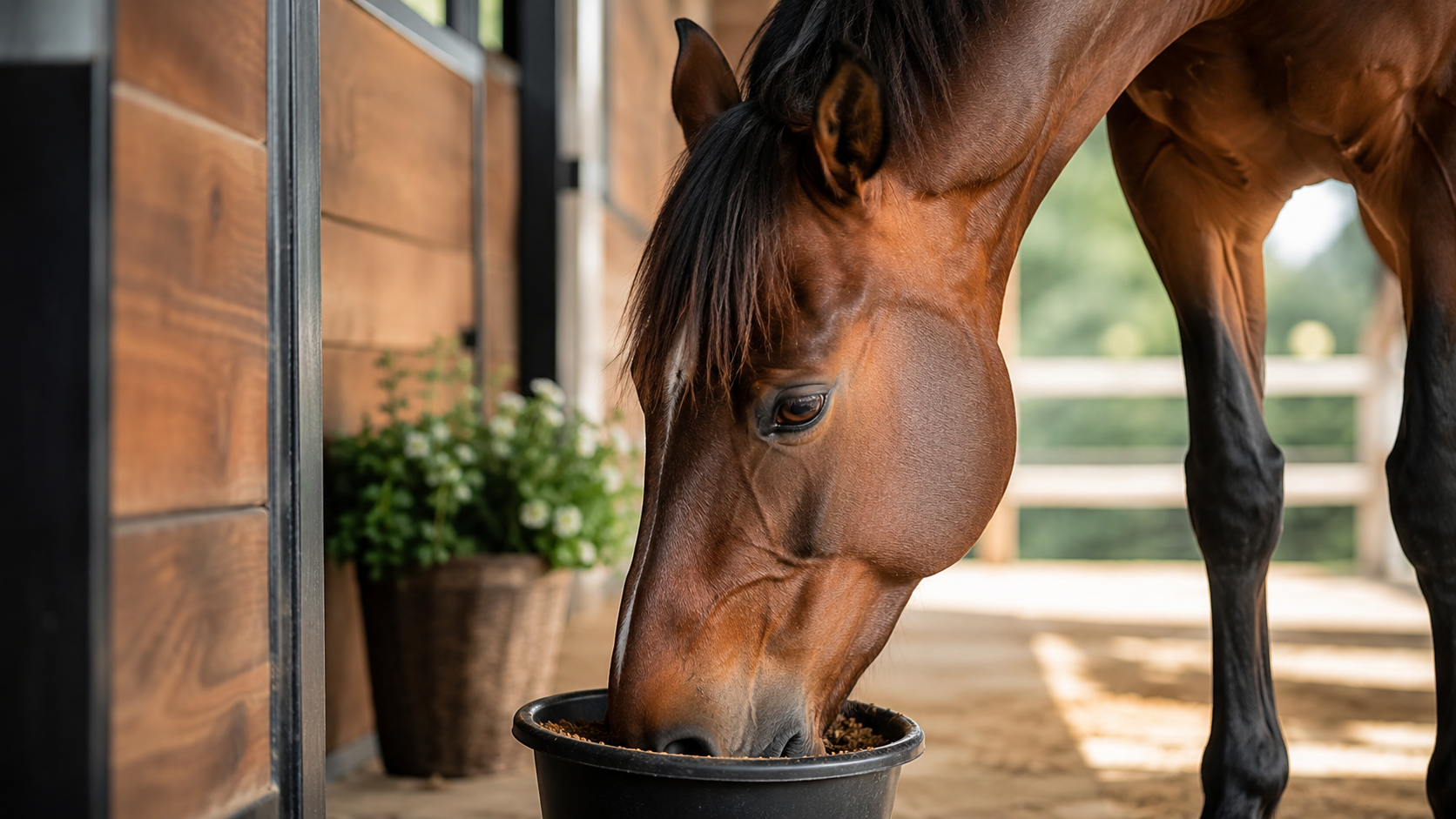
The breed at a glance
The Java Pony is known for its calm, docile, and courageous temperament. It is intelligent, willing, and easy to handle, making it an excellent working partner and a reliable mount.
- Category
- pony
- Origin
- Indonesia (Java Island) · Antiquity / Middle Ages
- Height at withers
- 120–130 cm
- Weight
- 250–350 kg
- Lifespan
- 20-25 years
- Common coats
- bay, chestnut, black, grey
- Disciplines
- trail riding, light driving, recreational riding
- Other names
- Java Pony
Origin and history
The Java Pony is an indigenous breed from Java Island, Indonesia, with origins dating back several centuries. It resulted from crosses between local ponies and horses imported by traders and colonizers, notably Arabian and Mongolian horses. Historically, it played a crucial role in transport, agriculture, and warfare on the island. The breed is well-established and locally recognized for its robustness and adaptation to the tropical climate.
Conformation and physique
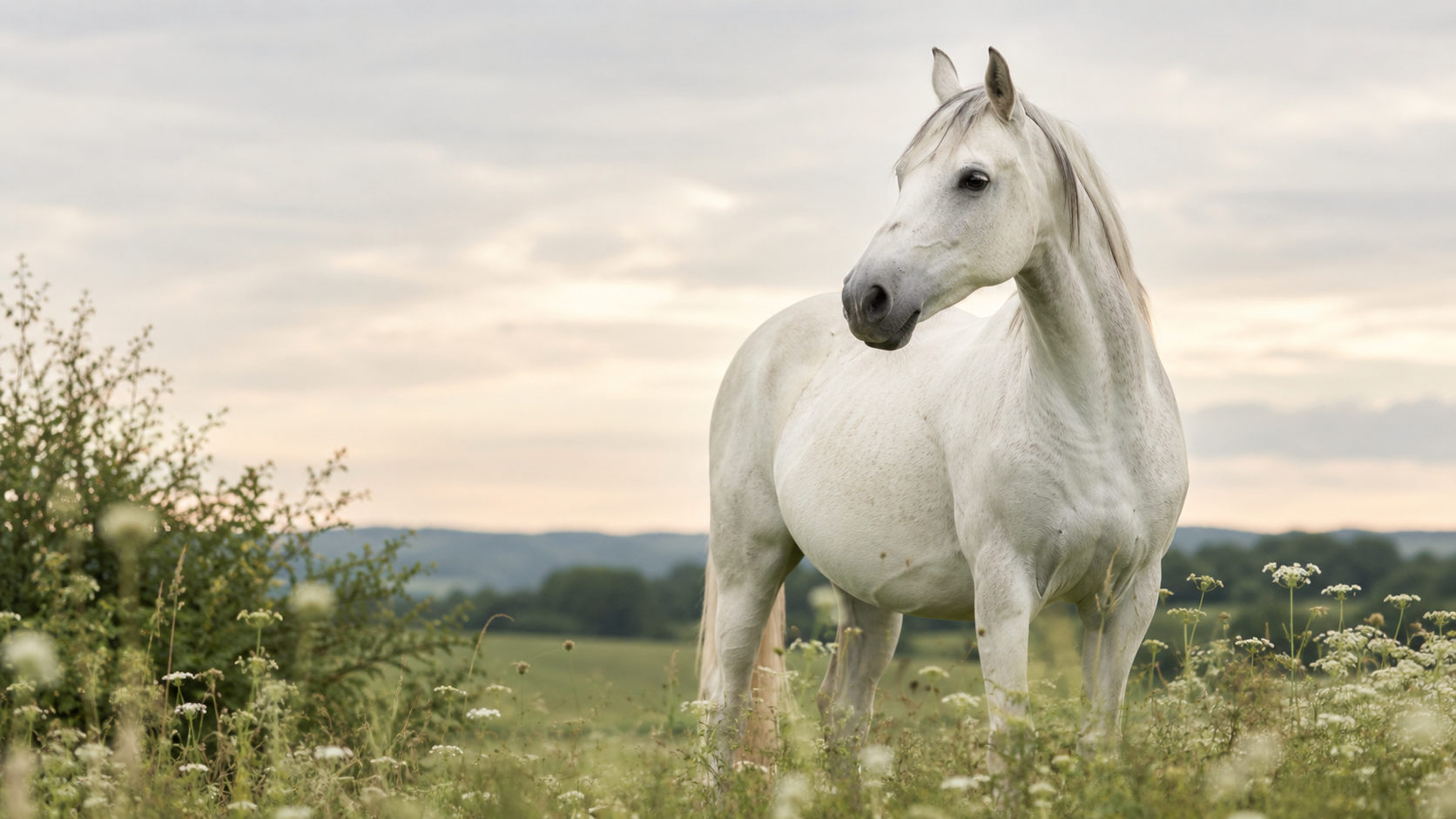
The Java Pony is a small, compact, and robust pony, with a solid bone structure and well-developed musculature. Its build is typical of working ponies, suited for endurance and carrying capacity.
The head is medium-sized, often with a straight or slightly convex profile. The eyes are expressive, and the ears are small and well-placed.
The neck is short and muscular, well-set into the withers. The withers are generally not prominent, blending harmoniously into the topline.
The back is short and strong, the topline is straight and solid. The chest is deep and wide, offering good respiratory capacity. The croup is muscular and slightly sloped.
The legs are short, strong, and correctly set, with clean joints and well-defined tendons. The hooves are hard and resilient. Feathering is generally sparse.
- Common coats: bay, chestnut, black, grey
Temperament and aptitudes
The Java Pony is known for its calm, docile, and courageous temperament. It is intelligent, willing, and easy to handle, making it an excellent working partner and a reliable mount.
The gaits are free-moving, energetic, and regular, with good impulsion. The walk is sure-footed, the trot is active, and the canter is balanced, reflecting its suitability for work and endurance.
- Uses: transport of people and goods, agricultural work (light draft), leisure riding mount, traditional pony races
- Disciplines: trail riding, light driving, recreational riding
Feeding the Java Pony
The Java Pony is an easy keeper with an economical metabolism, very well adapted to harsh living conditions and poor quality forage. It tends to gain weight easily if its diet is not controlled. A diet based primarily on good quality forage (grass, hay) is sufficient for most individuals. Concentrates are only necessary for intense work or specific needs (gestation, lactation), and should be fed sparingly to prevent obesity.
Due to its economical metabolism, the Java Pony can be predisposed to Equine Metabolic Syndrome (EMS) and laminitis if overfed or given unlimited access to rich pastures. Careful dietary management is crucial to prevent these conditions.
With Equio, every feed, supplement or treat is read against the horse's real profile (age, weight, Body Condition Score, conditions) — useful for a Java Pony as soon as a metabolic or digestive sensitivity is known.
Health and points to watch
Regular monitoring of weight and body condition is essential to prevent obesity and laminitis. Annual dental check-ups are recommended, as well as a deworming program adapted to the tropical climate and local parasites.
- More frequent conditions: laminitis, obesity, age-related dental problems
Care and grooming
The Java Pony's hooves are naturally hard and resilient, requiring regular trimming but often less intensive than other breeds. The mane and tail are generally thick and require regular grooming to prevent tangles. The coat is easy to maintain, and clipping is rarely necessary in its natural environment. Particular attention should be paid to insect protection in tropical regions.
Did you know?
- The Java Pony is often used in traditional pony races in Indonesia, where it demonstrates its speed and agility.
- Despite its small size, it is known for its strength and ability to carry relatively heavy loads over long distances.
- It is a symbol of Indonesian equestrian culture, particularly on the island of Java.
The Java Pony and how to track it
The Java Pony is very rare in France and not subject to significant breeding there. The few individuals present are generally imported and used as curiosities or for specific projects.
Equio lets you build a complete profile for a Java Pony: identity, weight, Body Condition Score, feeding, conditions, care reminders (vaccines, worming, trimming) and an exportable health log. The breed sets the identity; everyday decisions still depend on the real horse and your vet's advice.
- Record the activity level: rest, leisure, sport or breeding
- Add known conditions or sensitivities
- Scan feeds, plants and care products
- Keep reminders (vaccines, worming, trimming)
- Prepare a PDF export before a vet appointment
Frequently asked questions
What is the average height of a Java Pony?
The Java Pony typically measures between 120 and 130 cm at the withers, classifying it as a small to medium-sized pony.
Is the Java Pony suitable for children?
Yes, thanks to its calm, docile temperament and small size, the Java Pony can be an excellent mount for children, provided it is well-trained.
What are the main uses of the Java Pony?
Historically and currently, the Java Pony is primarily used for transport, light agricultural work, and as a leisure riding mount. It also participates in traditional races.
Is the Java Pony a hardy breed?
Absolutely. It is a very hardy breed, adapted to hot and humid climates, capable of living on few resources and very resistant to local diseases.
Where can Java Ponies be found?
The Java Pony is primarily found on the island of Java in Indonesia. It is very rare outside its country of origin.