
Horse breed
German Classic Pony
The German Classic Pony is a relatively young breed, developed in Germany starting in the 1960s. It is the result of selective breeding between American Shetland ponies and German Shetland ponies, with the aim of creating a more elegant and athletic Shetland-type pony while retaining its hardiness.

The breed at a glance
The German Classic Pony is renowned for its balanced, intelligent, and willing temperament. It is generally docile and easy to handle, making it an excellent companion for children, while being energetic enough for work.
- Category
- pony
- Origin
- Germany · Late 20th century
- Height at withers
- 87–112 cm
- Lifespan
- 25-35 years
- Common coats
- All coat colors are permitted, bay, chestnut, black, grey, palomino, dun, pinto
- Disciplines
- driving, dressage (for ponies), show jumping (for ponies), vaulting
- Other names
- Deutsches Classic Pony
Origin and history
The German Classic Pony is a relatively young breed, developed in Germany starting in the 1960s. It is the result of selective breeding between American Shetland ponies and German Shetland ponies, with the aim of creating a more elegant and athletic Shetland-type pony while retaining its hardiness. The breed was officially recognized in Germany and is managed by breeder associations dedicated to preserving its standards.
Conformation and physique
It is a small-sized pony, compact and well-proportioned, with a solid bone structure. It presents an elegant and athletic build for its size, reminiscent of the Shetland but with finer lines.
Expressive, medium-sized head, with a broad forehead, large, lively eyes, and a straight or slightly concave profile. The ears are small and well-placed.
Medium-length neck, well-muscled and well-set, blending smoothly into a well-defined but not prominent wither.
Short, strong back, taut topline. Broad, deep chest. Muscular, rounded hindquarters, with a high-set tail.
Clean, strong limbs, with well-defined joints and correct conformation. The hooves are hard and well-formed. Feathers may be present but are not excessive.
- Common coats: All coat colors are permitted, bay, chestnut, black, grey, palomino, dun, pinto
Temperament and aptitudes
The German Classic Pony is renowned for its balanced, intelligent, and willing temperament. It is generally docile and easy to handle, making it an excellent companion for children, while being energetic enough for work.
The gaits are regular, expansive, and energetic, with good impulsion from the hindquarters. The trot is particularly valued for its impulsion and balance.
- Uses: children's riding pony, driving, companion pony, breeding, show
- Disciplines: driving, dressage (for ponies), show jumping (for ponies), vaulting, pony games
Feeding the German Classic Pony
The German Classic Pony is a pony with an efficient metabolism, inherited from its Shetland ancestors. It tends to gain weight easily if overfed. Its diet should primarily consist of good quality forage (hay or grass) in controlled amounts. Concentrates are generally only necessary for intense work or specific needs (growth, lactation) and should be given sparingly.
Like many ponies with efficient metabolisms, the German Classic Pony is predisposed to Equine Metabolic Syndrome (EMS) and laminitis, especially in cases of overweight or unlimited access to rich grass. Careful monitoring of its weight and diet is crucial to prevent these conditions.
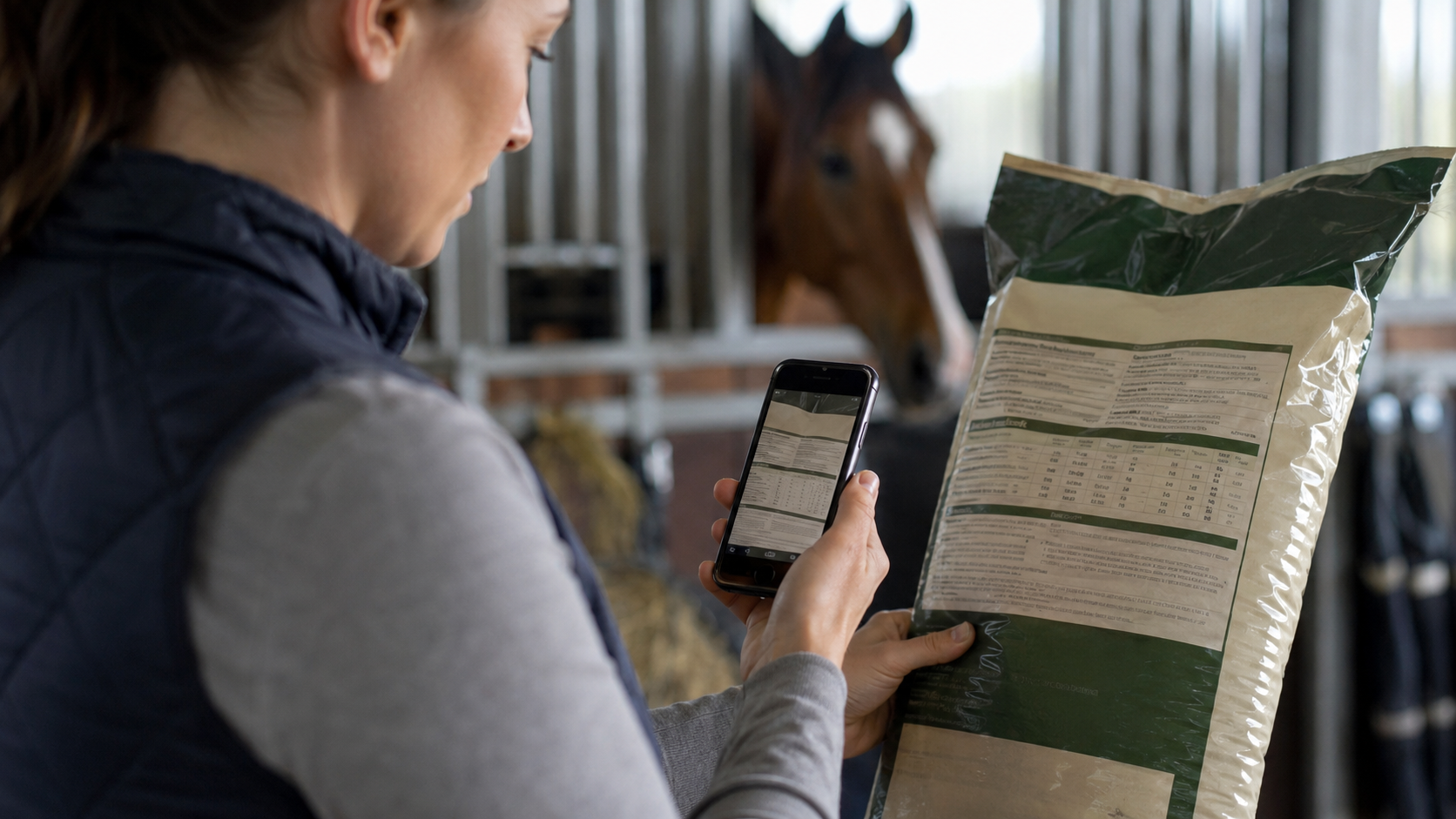
With Equio, every feed, supplement or treat is read against the horse's real profile (age, weight, Body Condition Score, conditions) — useful for a German Classic Pony as soon as a metabolic or digestive sensitivity is known.
Health and points to watch
Particular attention must be paid to weight management and laminitis prevention, especially through an appropriate diet and regular exercise. Hoof quality must be monitored, and regular trimming is essential.
- More frequent conditions: laminitis, Equine Metabolic Syndrome (EMS), obesity
Care and grooming
Maintenance is relatively simple. Hard and resilient hooves require regular trimming every 6 to 8 weeks. The mane and tail are often very thick and may require regular detangling. The dense coat does not require special care, but regular brushing is appreciated. Clipping is generally not necessary except for ponies in intense work or competition.
Did you know?
- Despite its small size, the German Classic Pony is renowned for its strength and endurance, particularly in driving.
- It is often used in riding schools for introducing young children to riding thanks to its gentle and reliable nature.
- The breed is appreciated for its wide variety of coat colors, offering a broad choice to enthusiasts.
The German Classic Pony and how to track it
The breed is present in France but remains uncommon. A few passionate breeders contribute to its development, primarily for driving and as children's riding ponies.
Equio lets you build a complete profile for a German Classic Pony: identity, weight, Body Condition Score, feeding, conditions, care reminders (vaccines, worming, trimming) and an exportable health log. The breed sets the identity; everyday decisions still depend on the real horse and your vet's advice.
- Record the activity level: rest, leisure, sport or breeding
- Add known conditions or sensitivities
- Scan feeds, plants and care products
- Keep reminders (vaccines, worming, trimming)
- Prepare a PDF export before a vet appointment
Frequently asked questions
Is the German Classic Pony suitable for beginners?
Yes, thanks to its calm, intelligent temperament and docility, the German Classic Pony is an excellent mount for beginner children and young riders. It is patient and learns quickly.
What is the difference between a German Classic Pony and a Shetland?
The German Classic Pony originated from the Shetland but was selectively bred to be more elegant, with finer lines and more expansive gaits. It is generally a bit larger and less 'rustic' in appearance than the traditional Shetland, while retaining its hardiness.
Can a German Classic Pony be used for driving?
Absolutely. The German Classic Pony is particularly valued for driving thanks to its strength, endurance, and willing temperament. It excels in this discipline, whether for leisure or competition.
What is the budget for purchasing a German Classic Pony?
The price of a German Classic Pony varies depending on its age, sex, lineage, training level, and conformation. It can range from a few hundred to several thousand euros for a well-trained pony or one with good breeding lines.
Is the German Classic Pony a hardy breed?
Yes, although it is more refined than the original Shetland, it has retained much of its hardiness. It is weather-resistant and can live outdoors year-round with adequate shelter, provided its diet is managed to prevent obesity.