
Horse breed
Chincoteague Pony
The origin of Chincoteague ponies is shrouded in legend, the most popular being that they are descended from Spanish horses shipwrecked in the 17th century. They live in a semi-feral state on Assateague Island, which is divided between Maryland and Virginia.
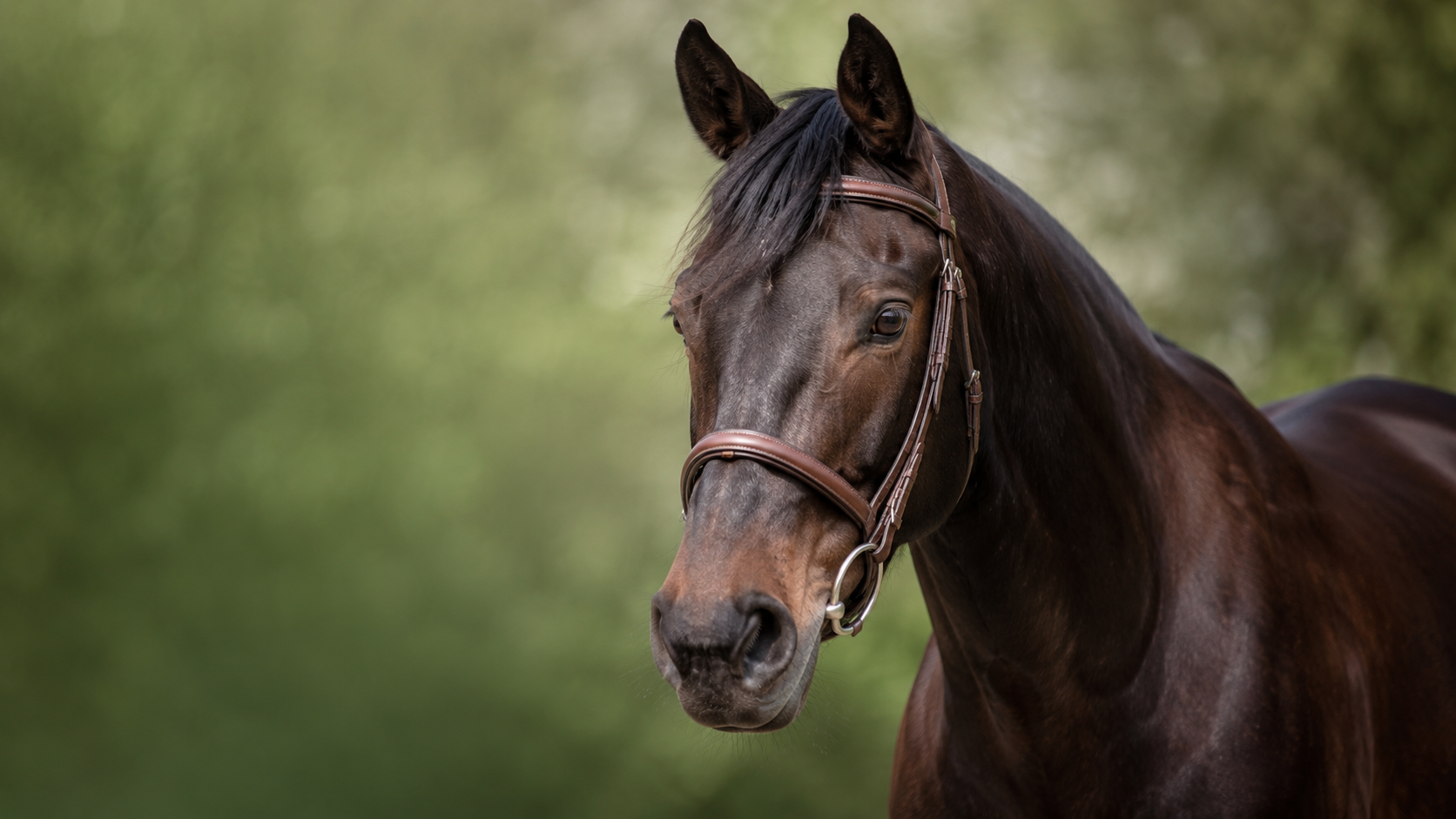
The breed at a glance
Chincoteague ponies are renowned for their intelligence, courage, and hardiness. Although semi-feral, they are generally docile and easy to train once tamed, making excellent companions for children. They are also known for their endurance and resilience.
- Category
- pony
- Origin
- United States · 17th century (legend), early 20th century (establishment)
- Height at withers
- 117–137 cm
- Weight
- 250–360 kg
- Lifespan
- 25-35 years
- Common coats
- all coat colors are accepted, bay, chestnut, black, grey, palomino, roan, pinto
- Disciplines
- recreational riding, pony games, driving, trail riding
- Other names
- Chincoteague Pony, Assateague Pony
Origin and history
The origin of Chincoteague ponies is shrouded in legend, the most popular being that they are descended from Spanish horses shipwrecked in the 17th century. They live in a semi-feral state on Assateague Island, which is divided between Maryland and Virginia. The breed was popularized by Marguerite Henry's book 'Misty of Chincoteague'. Each year, the ponies are rounded up and swim to Chincoteague Island for an auction, perpetuating a centuries-old tradition.

Conformation and physique
It is a small, robust, and compact pony with solid bone structure. It has a rustic build, adapted to its island environment. Its conformation is rather square, with good body depth.
Pony head, often a little long, with a straight or slightly convex profile. The eyes are expressive and the ears are medium-sized, well-set. The bridge of the nose is broad.
Neck of medium length, well-set, sometimes a little thick, joining a low and broad wither, typical of hardy breeds.
Short, strong back, straight and muscular topline. Broad and deep chest, indicative of good respiratory capacity. Rounded and well-muscled hindquarters, often double.
Solid, short limbs, with well-developed joints and short cannons. The feet are hard and well-formed, adapted to varied terrain. Feathering is generally sparse.
- Common coats: all coat colors are accepted, bay, chestnut, black, grey, palomino, roan, pinto
Temperament and aptitudes
Chincoteague ponies are renowned for their intelligence, courage, and hardiness. Although semi-feral, they are generally docile and easy to train once tamed, making excellent companions for children. They are also known for their endurance and resilience.
The gaits are frank, energetic, and sure-footed, with good ground cover. The walk is active, the trot regular, and the canter balanced, reflecting their natural agility.
- Uses: recreational riding, children's riding, light driving, trail riding, pony games, show
- Disciplines: recreational riding, pony games, driving, trail riding
Feeding the Chincoteague Pony
The Chincoteague Pony is a hardy and very thrifty breed, accustomed to limited resources. It has an efficient metabolism and is predisposed to obesity if its diet is not controlled. Its diet should primarily consist of good quality but low-richness forages, such as meadow hay. Concentrates are generally only necessary for ponies in intense work or growing, and should be fed sparingly to avoid excesses.
Due to their thrifty metabolism, Chincoteague ponies are predisposed to laminitis and Equine Metabolic Syndrome (EMS), especially if fed diets rich in sugars and starch. Careful monitoring of their weight and strict management of non-structural carbohydrate intake are essential.
With Equio, every feed, supplement or treat is read against the horse's real profile (age, weight, Body Condition Score, conditions) — useful for a Chincoteague Pony as soon as a metabolic or digestive sensitivity is known.
Health and points to watch
Particular attention must be paid to weight management and laminitis prevention, especially during seasonal or dietary changes. Regular hoof monitoring is also crucial, as healthy feet are essential for this hardy breed.
- More frequent conditions: laminitis, Equine Metabolic Syndrome (EMS), obesity
Care and grooming
Chincoteague ponies require regular basic care. Hoof trimming should be performed every 6 to 8 weeks to maintain good hoof integrity. Regular brushing is sufficient for coat maintenance, and clipping is generally not necessary except for ponies in intensive work. The mane and tail can be left natural or maintained according to preference.
Did you know?
- Each year, on the last Wednesday of July, the Assateague ponies are rounded up and swim across the channel to Chincoteague Island, an event known as the 'Pony Swim'.
- The ponies are actually two distinct herds, one in Maryland and the other in Virginia, separated by a fence. Only the Virginia herd is managed by the Chincoteague volunteer firefighters and participates in the Pony Swim.
- Marguerite Henry's book 'Misty of Chincoteague', published in 1947, made the breed famous worldwide and contributed to the preservation of these ponies.
The Chincoteague Pony and how to track it
The Chincoteague Pony breed is very rare in France, with an almost non-existent population. There is no significant breeding or widespread use of this breed on French territory.
Equio lets you build a complete profile for a Chincoteague Pony: identity, weight, Body Condition Score, feeding, conditions, care reminders (vaccines, worming, trimming) and an exportable health log. The breed sets the identity; everyday decisions still depend on the real horse and your vet's advice.
- Record the activity level: rest, leisure, sport or breeding
- Add known conditions or sensitivities
- Scan feeds, plants and care products
- Keep reminders (vaccines, worming, trimming)
- Prepare a PDF export before a vet appointment
Frequently asked questions
What is the average height of a Chincoteague Pony?
Chincoteague ponies typically measure between 117 and 137 cm at the wither, classifying them as small ponies. This height makes them ideal for children and young riders.
Is the Chincoteague Pony easy to train?
Yes, although born semi-feral, Chincoteague ponies are known for their intelligence and learning ability. Once tamed, they are generally docile, cooperative, and eager to please, which facilitates their training.
Can an adult ride a Chincoteague Pony?
Yes, Chincoteague ponies are robust enough to carry light adults. However, their size primarily makes them suitable for children and teenagers for riding. They are also highly valued for light harness work.
Where can one buy a Chincoteague Pony?
The primary opportunity to acquire a Chincoteague Pony is at the annual auction following the 'Pony Swim' on Chincoteague Island, Virginia, USA. Private breeders in the United States may also offer them.
Is the Chincoteague Pony a rare breed?
Yes, outside of its natural habitat on Assateague Island and a few breeding farms in the United States, the Chincoteague Pony is considered a rare breed, especially outside North America.