
Horse breed
Basotho Pony
The Basotho Pony descends from horses imported into South Africa by the Dutch in the 17th century, notably Javanese horses and Thoroughbreds. These horses were crossed with local breeds and developed great hardiness by adapting to the mountainous terrain of Lesotho.
The breed at a glance
The Basotho Pony is renowned for its courage, hardiness, and sure-footedness. It is intelligent, willing, and possesses great stamina, making it an excellent working and trekking companion. It is generally calm and easy to handle.
- Category
- pony
- Origin
- Lesotho (Southern Africa) · 17th century
- Height at withers
- 122–142 cm
- Weight
- 300–400 kg
- Lifespan
- 25-30 years
- Common coats
- bay, chestnut, black, grey, palomino, dun
- Disciplines
- equestrian trail riding, endurance riding, trekking, working equitation
- Other names
- Basotho Pony, Lesotho Pony
Origin and history
The Basotho Pony descends from horses imported into South Africa by the Dutch in the 17th century, notably Javanese horses and Thoroughbreds. These horses were crossed with local breeds and developed great hardiness by adapting to the mountainous terrain of Lesotho. The breed has been officially recognized, and conservation efforts have been implemented to preserve its unique qualities.
Conformation and physique
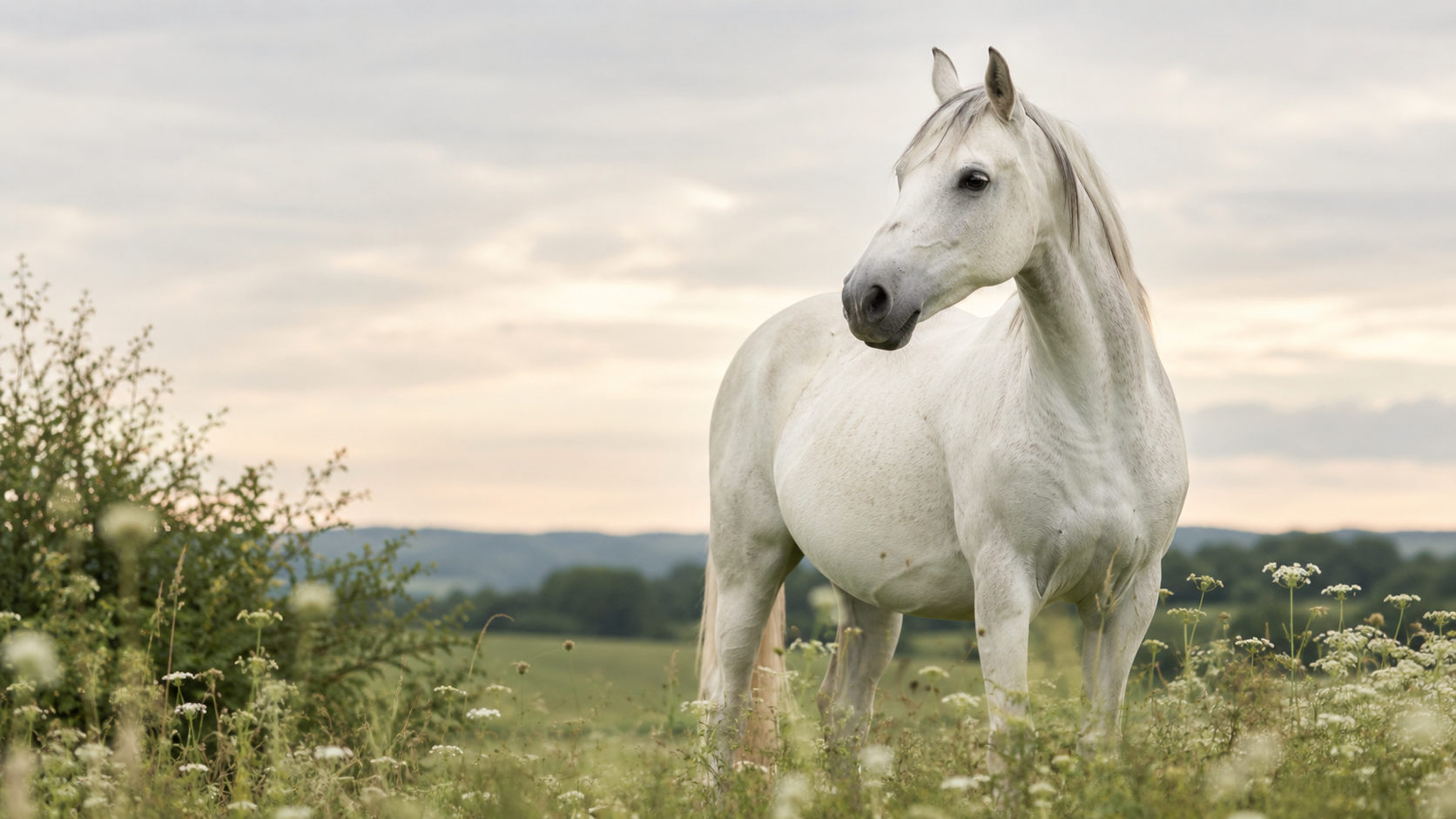
It is a small, compact, and muscular pony with solid bone structure. It has a hardy and powerful build, adapted to difficult terrain.
Medium-sized head, well-proportioned to the body, with a straight or slightly convex profile. The eyes are lively and expressive, the ears medium-sized and well-placed.
Short and muscular neck, well-set, blending into a low but well-defined wither.
Short and strong back, solid topline. Deep and wide chest, well-sprung ribs. Muscular and slightly sloping croup.
Short, clean, and very strong limbs, with well-developed joints. The cannons are short, and the feet are extremely hard and well-formed, often without the need for shoeing. No excessive feathering.
- Common coats: bay, chestnut, black, grey, palomino, dun
Temperament and aptitudes
The Basotho Pony is renowned for its courage, hardiness, and sure-footedness. It is intelligent, willing, and possesses great stamina, making it an excellent working and trekking companion. It is generally calm and easy to handle.
The gaits are energetic, sure-footed, and enduring, with an excellent ability to move over rugged terrain. The walk is sure, the trot and canter are balanced and powerful.
- Uses: pack horse, saddle horse for transport and trekking, light agricultural work, traditional pony races
- Disciplines: equestrian trail riding, endurance riding, trekking, working equitation
Feeding the Basotho Pony
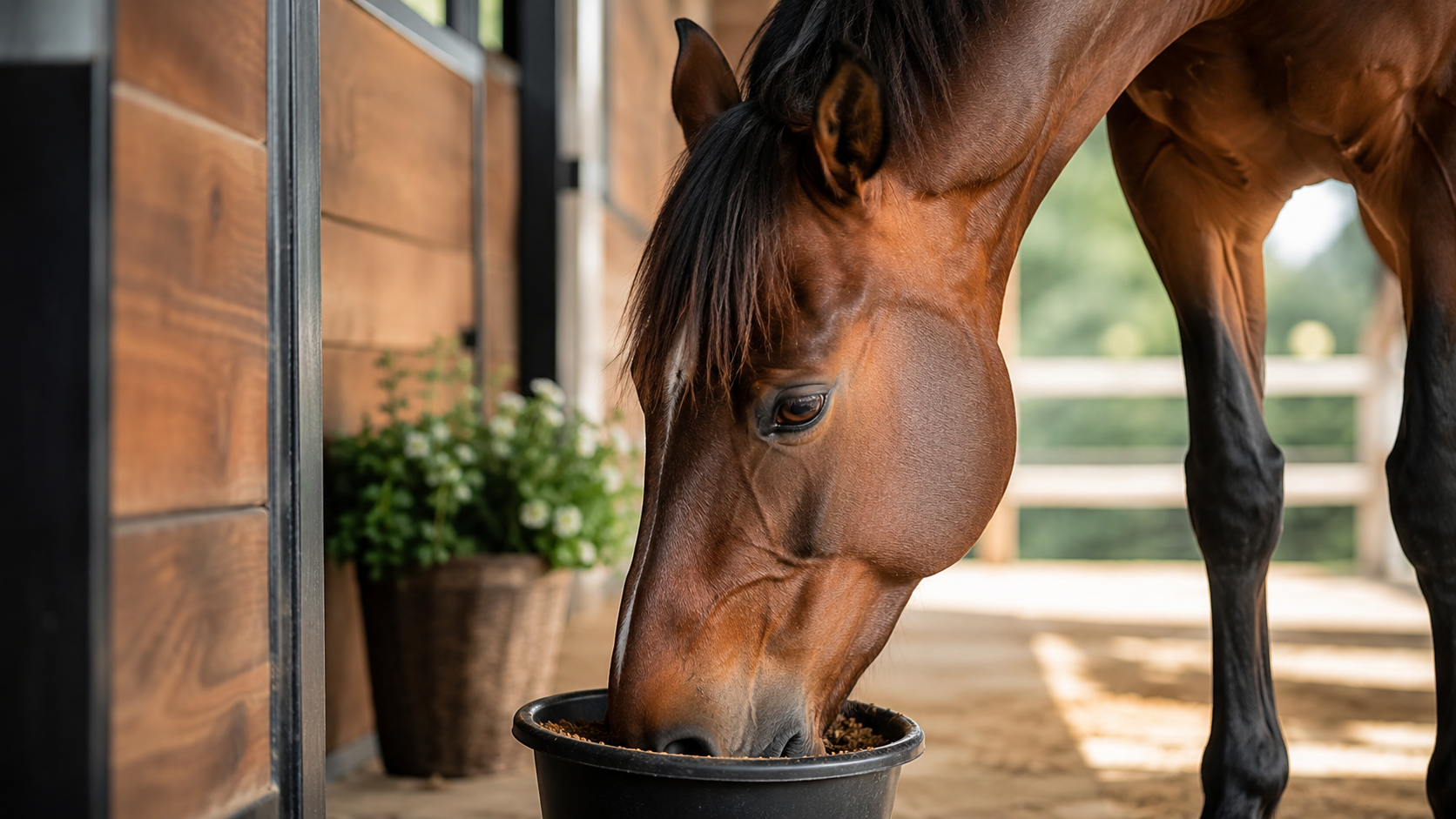
The Basotho Pony is a hardy and very economical breed. Its metabolism is adapted to limited food resources, and it tends to gain weight easily if its diet is not controlled. It generally thrives on good quality forage (grass, hay) and only requires concentrates during intense work or specific needs (gestation, lactation).
Due to its thrifty metabolism, the Basotho Pony can be predisposed to Equine Metabolic Syndrome (EMS) and laminitis if overfed or given unlimited access to rich pastures. Careful dietary management is crucial to prevent these conditions.
With Equio, every feed, supplement or treat is read against the horse's real profile (age, weight, Body Condition Score, conditions) — useful for a Basotho Pony as soon as a metabolic or digestive sensitivity is known.

Health and points to watch
Carefully monitor weight and body condition to prevent obesity and the risk of laminitis. Particular attention should be paid to hoof quality; although naturally very resistant, regular trimming is essential.
- More frequent conditions: laminitis, Equine Metabolic Syndrome (EMS)
Care and grooming
The hooves of the Basotho Pony are exceptionally hard and resistant, often requiring minimal trimming and rarely shoeing, except for very specific uses. The mane and tail are generally thick and require regular grooming to prevent knots. The coat is hardy and does not require special care; clipping is rarely necessary.
Did you know?
- The Basotho Pony is capable of covering very long distances over mountainous and rugged terrain, often carrying heavy loads.
- It is nicknamed the 'mountain horse' in Lesotho.
- The breed has played a crucial role in the history and culture of the Basotho people, serving as a means of transport and a symbol of social status.
The Basotho Pony and how to track it
The Basotho Pony is very rare in France; there is no significant breeding or established population. It is primarily found in its country of origin and in a few Southern African countries.
Equio lets you build a complete profile for a Basotho Pony: identity, weight, Body Condition Score, feeding, conditions, care reminders (vaccines, worming, trimming) and an exportable health log. The breed sets the identity; everyday decisions still depend on the real horse and your vet's advice.
- Record the activity level: rest, leisure, sport or breeding
- Add known conditions or sensitivities
- Scan feeds, plants and care products
- Keep reminders (vaccines, worming, trimming)
- Prepare a PDF export before a vet appointment
Frequently asked questions
Is the Basotho Pony suitable for children?
Yes, thanks to its calm temperament and sure-footedness, the Basotho Pony can be an excellent pony for experienced children or under supervision, especially for trekking and outdoor activities.
What is unique about the Basotho Pony's hooves?
The Basotho Pony's hooves are renowned for their exceptional hardness and resistance. They are adapted to rocky terrain and can often be used without shoeing, which is an advantage for their maintenance.
Is the Basotho Pony an endangered breed?
Although its population is relatively stable in Lesotho, conservation efforts are underway to maintain the purity of the breed and prevent uncontrolled cross-breeding, thus ensuring the preservation of its unique qualities.
Are Basotho Ponies suitable for endurance riding?
Absolutely. The Basotho Pony possesses remarkable natural endurance and a thrifty metabolism, making it very well-suited for endurance disciplines and long trail rides.
What is the cost of a Basotho Pony in France?
As the Basotho Pony is extremely rare in France, there is no established market. Acquisition would likely involve importation, making the cost very high and difficult to estimate, not to mention the administrative procedures.