
Horse breed
Ogaden Horse
The Ogaden horse is an equine breed originating from the Ogaden region in eastern Ethiopia. It is the result of natural selection and adaptation to an arid and challenging environment.
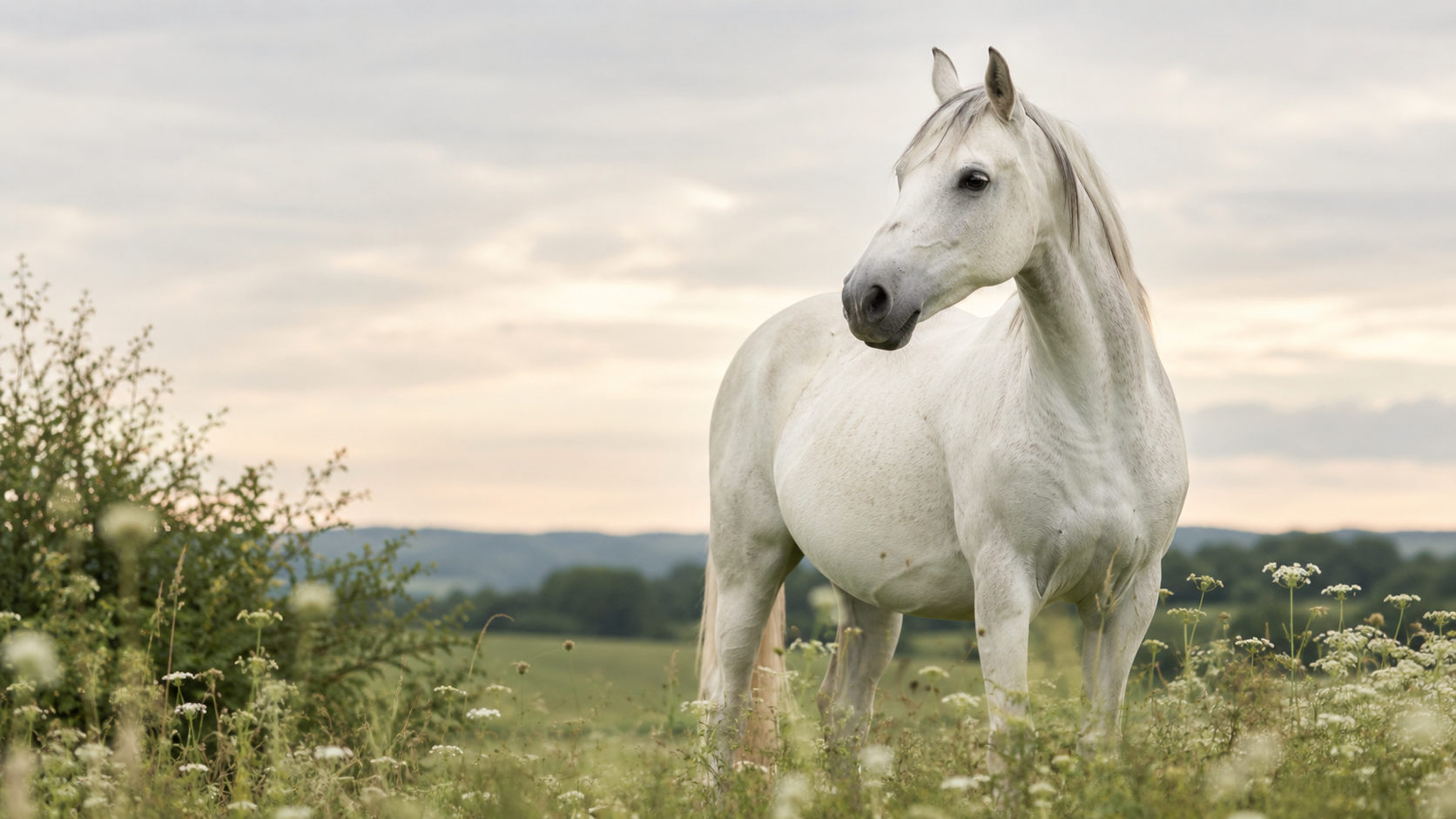
The breed at a glance
The Ogaden horse is known for its hardy, courageous, and resilient temperament. It is generally docile and easy for local populations to handle, but can be wary of strangers. It is very enduring and hardworking.
- Category
- hardy breed
- Origin
- Ethiopia · Antiquity / Middle Ages
- Height at withers
- 120–135 cm
- Weight
- 250–350 kg
- Lifespan
- 20-25 years
- Common coats
- bay, chestnut, grey, black
- Disciplines
- endurance (traditional), trail riding
- Other names
- Cheval Ogaden
Origin and history
The Ogaden horse is an equine breed originating from the Ogaden region in eastern Ethiopia. It is the result of natural selection and adaptation to an arid and challenging environment. Historically used by local populations for transport, agriculture, and warfare, it is recognized for its robustness and endurance. Its official recognition as a distinct breed is primarily local and linked to its geographical area.
Conformation and physique
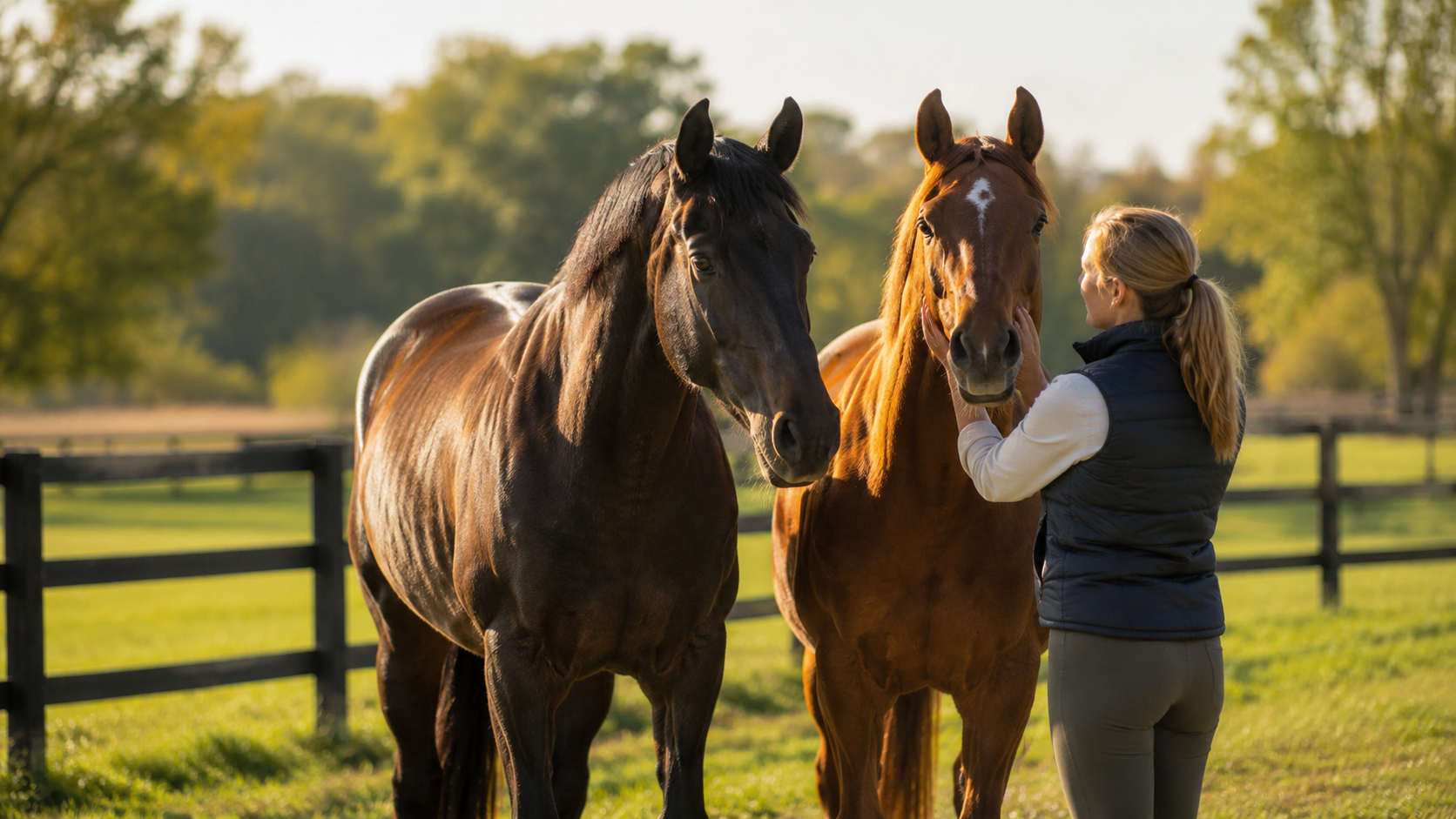
The Ogaden horse is small in stature, typical of hardy African breeds. It has a compact and muscular build, with a solid bone structure adapted to its environment. It is renowned for its robustness and ability to withstand difficult conditions.
The head is medium-sized, often with a straight or slightly convex profile. The eyes are expressive, and the ears are medium-sized and well-set.
The neck is short and muscular, well-set, blending into a low but strong wither.
The back is short and strong, and the topline is straight. The chest is deep, providing good respiratory capacity. The croup is often sloped and muscular.
The limbs are fine but very strong, with well-defined joints and clean tendons. The hooves are small, hard, and resilient, adapted to rocky terrain. Feathers are generally absent or very sparsely developed.
- Common coats: bay, chestnut, grey, black
Temperament and aptitudes
The Ogaden horse is known for its hardy, courageous, and resilient temperament. It is generally docile and easy for local populations to handle, but can be wary of strangers. It is very enduring and hardworking.
The gaits are energetic, sure-footed, and enduring, with an active walk and a steady trot. The gallop is suited for long distances over varied terrain.
- Uses: pack animal / carrying loads, working mount, light agriculture, war (historical)
- Disciplines: endurance (traditional), trail riding
Feeding the Ogaden Horse
The Ogaden horse is a very efficient metabolizer, adapted to poor diets and periods of scarcity. It has a great ability to utilize coarse forages and sparse pastures. It is rarely prone to obesity in its natural environment. Concentrate requirements are minimal, if any, except in cases of very intense work or demanding breeding conditions.
Due to its adaptation to a poor diet, the Ogaden horse could be sensitive to an excess of sugars and starch if fed rich Western diets, potentially increasing the risk of laminitis or Equine Metabolic Syndrome (EMS), although this is not specifically documented for the breed in its natural habitat.
With Equio, every feed, supplement or treat is read against the horse's real profile (age, weight, Body Condition Score, conditions) — useful for a Ogaden Horse as soon as a metabolic or digestive sensitivity is known.

Health and points to watch
Vigilance is required regarding parasite management and access to water and sufficient feed, especially during drought periods. Its hooves, though resilient, require regular trimming if the terrain does not allow for optimal natural wear.
- More frequent conditions: parasitism (in the absence of management), malnutrition-related conditions (in cases of extreme drought)
Care and grooming
Care is generally minimal for this hardy breed. The hooves are very hard and require occasional trimming if natural wear is not sufficient. The mane and tail are often left natural. The coat is short and does not require clipping. Regular monitoring of body condition and signs of parasitism is recommended.
Did you know?
- The Ogaden horse is a remarkable example of adaptation to extreme climatic conditions, capable of surviving with limited resources.
- It is often confused with other African pony and horse breeds due to its size and general conformation.
- Its role is vital for the subsistence of many pastoral communities in the Horn of Africa.
The Ogaden Horse and how to track it
The Ogaden breed is very little known and is not bred in France. Its presence is anecdotal, if not non-existent, outside its country of origin.
Equio lets you build a complete profile for a Ogaden Horse: identity, weight, Body Condition Score, feeding, conditions, care reminders (vaccines, worming, trimming) and an exportable health log. The breed sets the identity; everyday decisions still depend on the real horse and your vet's advice.
- Record the activity level: rest, leisure, sport or breeding
- Add known conditions or sensitivities
- Scan feeds, plants and care products
- Keep reminders (vaccines, worming, trimming)
- Prepare a PDF export before a vet appointment
Frequently asked questions
Is the Ogaden horse suitable for leisure riding in Europe?
The Ogaden horse is primarily a hardy working breed. Although it is enduring and generally docile, its small size and temperament, adapted to its original environment, make it less common for Western leisure riding. It could be suitable for trekking or light endurance, but it is very rare in Europe.
What is the average size of an Ogaden horse?
The average size of an Ogaden horse is generally between 120 and 135 cm at the withers, which classifies it as a pony or small horse depending on the definitions.
Where can Ogaden horses be found?
Ogaden horses are found primarily in the Ogaden region, in eastern Ethiopia, and in border areas of neighboring countries. They are rarely exported and are little known outside their original geographical area.
Is the Ogaden horse an endangered breed?
Although its exact population is difficult to estimate, the Ogaden horse is not considered a globally endangered breed, as it is well adapted to its environment and widely used by local populations. However, droughts and conflicts can locally affect its numbers.
What is the typical temperament of the Ogaden horse?
The Ogaden horse is known for its hardy, courageous, and resilient temperament. It is generally docile and hardworking, but can be wary of strangers, reflecting its adaptation to an environment where survival depends on vigilance.