
Horse breed
Novokirghiz
The Novokirghiz breed was developed in the USSR, in the Kyrgyz Soviet Socialist Republic, starting in the 1930s. It resulted from complex crosses between the local Kyrgyz horse, Don horses, Thoroughbreds, and Orlov Trotters.
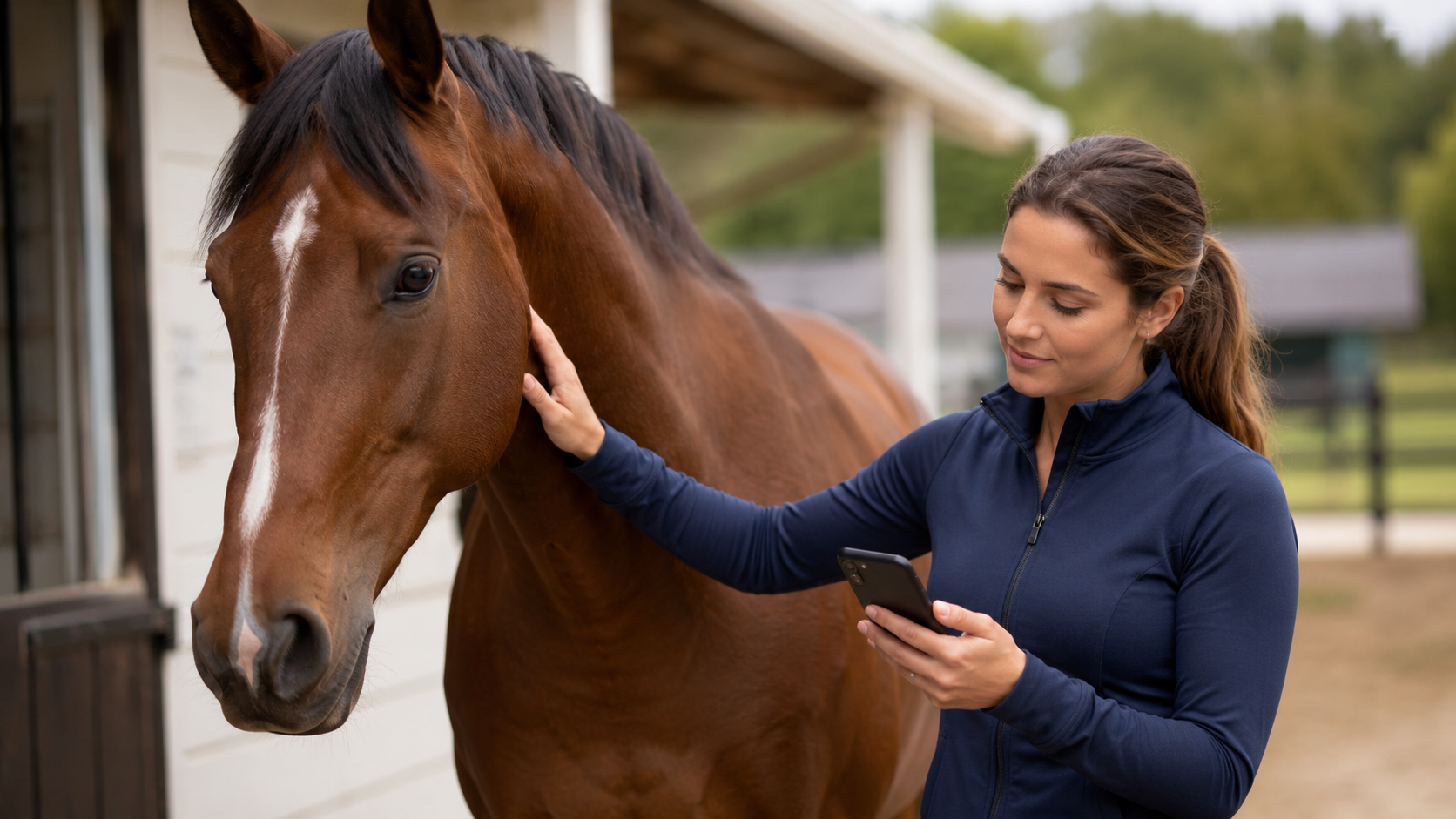
The breed at a glance
The Novokirghiz is known for its calm, courageous, and willing temperament. It is intelligent, easy to train, and very enduring, making it an excellent working and trail horse.
- Category
- hardy breed
- Origin
- Kyrgyzstan · Mid-20th century
- Height at withers
- 150–160 cm
- Weight
- 450–500 kg
- Lifespan
- 20-25 years
- Common coats
- bay, chestnut, grey, black
- Disciplines
- equestrian trail riding, endurance riding, working equitation, traditional horse racing (long-distance races)
- Other names
- Nouveau Kirghiz
Origin and history
The Novokirghiz breed was developed in the USSR, in the Kyrgyz Soviet Socialist Republic, starting in the 1930s. It resulted from complex crosses between the local Kyrgyz horse, Don horses, Thoroughbreds, and Orlov Trotters. The objective was to create a horse that was larger and more performant than the traditional Kyrgyz, while retaining its hardiness. The breed was officially recognized in 1954.

Conformation and physique
It is a medium to large-sized horse, with a solid bone structure and well-developed musculature. It presents a harmonious silhouette, combining the robustness of the steppe horse with a certain elegance inherited from saddle breeds.
The head is medium-sized, with a straight or slightly convex profile. The eyes are expressive, and the ears are well-proportioned.
The neck is of medium length, well-set and muscular, blending harmoniously into a well-defined and prominent wither.
The back is straight and strong, the topline is solid. The chest is broad and deep, ensuring good respiratory capacity. The croup is long, muscular, and slightly sloped.
The limbs are clean, strong, and well-muscled, with broad joints and well-defined tendons. The hooves are hard and resistant, adapted to difficult terrain. Feathering is generally sparse.
- Common coats: bay, chestnut, grey, black
Temperament and aptitudes
The Novokirghiz is known for its calm, courageous, and willing temperament. It is intelligent, easy to train, and very enduring, making it an excellent working and trail horse.
The gaits are expansive, supple, and energetic, with good impulsion. The walk is active, the trot is extended, and the canter is balanced, allowing the horse to cover long distances.
- Uses: saddle horse, pack horse, light draft horse, racehorse (traditional), meat and milk production (mare)
- Disciplines: equestrian trail riding, endurance riding, working equitation, traditional horse racing (long-distance races)
Feeding the Novokirghiz
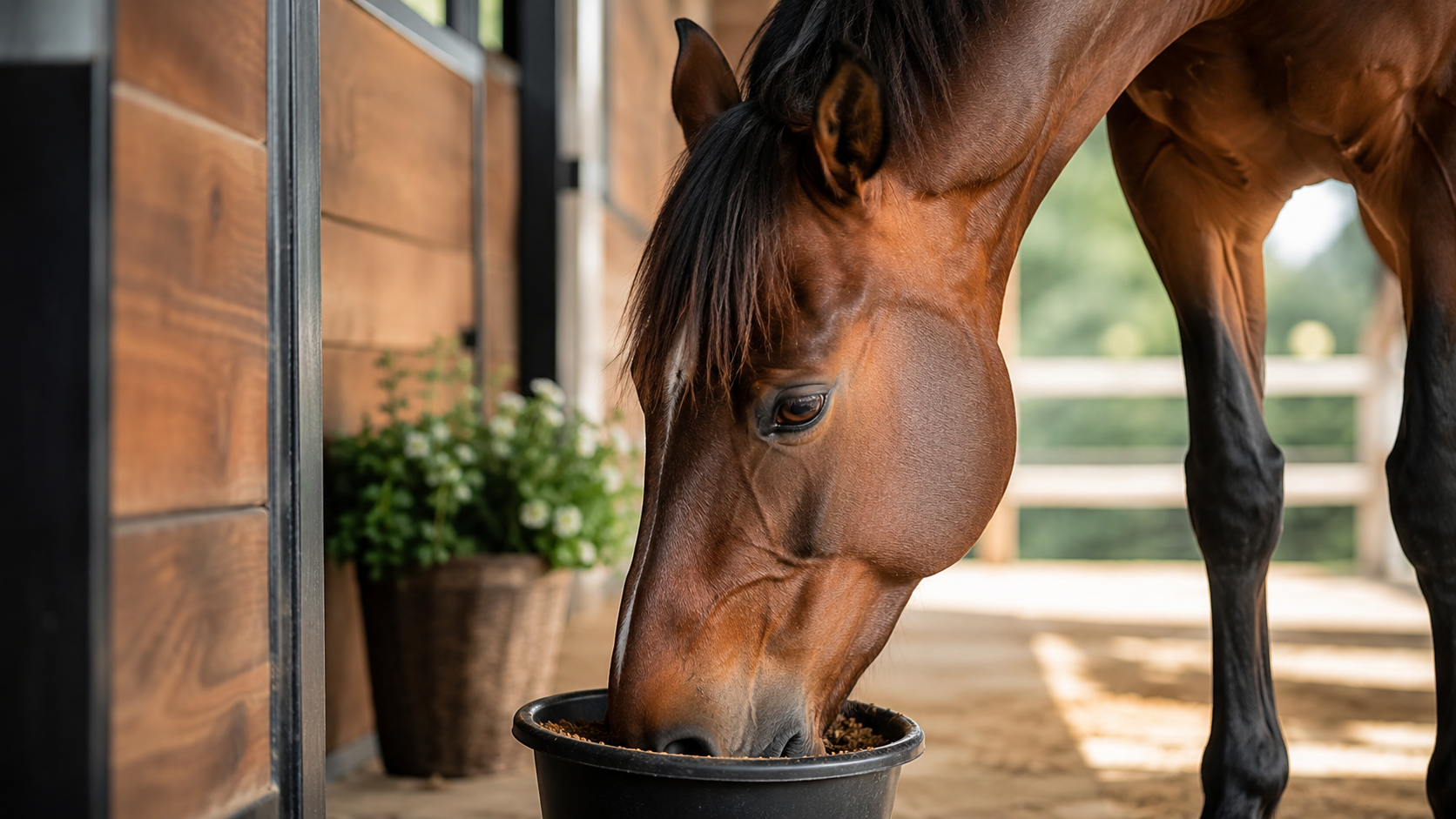
The Novokirghiz is a hardy horse with a rather efficient metabolism, capable of utilizing medium-quality forage. It tends to maintain its weight easily. A diet based on good quality forage (hay, grass) is essential. Concentrates are only necessary in cases of intense work or specific needs (growth, lactation), taking care not to overfeed to prevent obesity.
As a hardy breed, the Novokirghiz may be predisposed to obesity if overfed with diets rich in sugars and starch, which could increase the risk of laminitis or Equine Metabolic Syndrome (EMS). However, there is no specific documented predisposition to these conditions compared to other hardy breeds.
With Equio, every feed, supplement or treat is read against the horse's real profile (age, weight, Body Condition Score, conditions) — useful for a Novokirghiz as soon as a metabolic or digestive sensitivity is known.
Health and points to watch
The breed's hardiness does not negate the need for regular veterinary check-ups. Particular attention must be paid to body condition to prevent obesity, as well as to hoof care, which is essential for a horse moving on varied terrain. Monitoring for internal parasites is also crucial.
- More frequent conditions: wear-and-tear related locomotor disorders (osteoarthritis) late in their career, dental problems (as with any aged horse)
Care and grooming
The Novokirghiz's hooves are naturally hard and resilient, requiring regular trimming but often less intensive than other breeds. The mane and tail are generally thick and may require regular detangling. The coat is dense and requires no special care; clipping is generally not practiced except for sport horses in intense work.
Did you know?
- The Novokirghiz is the result of a Soviet breeding program aimed at improving local breeds for agricultural and military needs.
- It is sometimes used in traditional long-distance races in Kyrgyzstan, where its endurance is put to the test.
- Novokirghiz mares are also valued for their milk production, used to make koumys, a traditional fermented drink.
The Novokirghiz and how to track it
The Novokirghiz breed is very poorly represented in France. There is no significant breeding or widespread use of this breed on French territory; it remains primarily confined to its country of origin and neighboring regions.
Equio lets you build a complete profile for a Novokirghiz: identity, weight, Body Condition Score, feeding, conditions, care reminders (vaccines, worming, trimming) and an exportable health log. The breed sets the identity; everyday decisions still depend on the real horse and your vet's advice.
- Record the activity level: rest, leisure, sport or breeding
- Add known conditions or sensitivities
- Scan feeds, plants and care products
- Keep reminders (vaccines, worming, trimming)
- Prepare a PDF export before a vet appointment
Frequently asked questions
Is the Novokirghiz a good horse for endurance?
Yes, the Novokirghiz is particularly well-suited for endurance. Its hardiness, robustness, and willing temperament make it an excellent companion for long rides and endurance competitions, capable of covering great distances over varied terrain.
What is the difference between the Novokirghiz and the traditional Kyrgyz horse?
The Novokirghiz is an improved version of the traditional Kyrgyz horse. It is generally taller, faster, and more powerful, thanks to crosses with breeds like the Don and the Thoroughbred, while retaining the hardiness and endurance of the original Kyrgyz.
Is the Novokirghiz easy to train?
Yes, the Novokirghiz is renowned for its intelligence and willingness. It is generally easy to train and cooperative, making it suitable for riders of different levels, provided with consistent and respectful training.
Can Novokirghiz horses be found outside Kyrgyzstan?
Although primarily bred in Kyrgyzstan, Novokirghiz horses can be found in neighboring Central Asian countries. Its presence is very limited in Western Europe and North America, where it remains a rare and little-known breed.
Is the Novokirghiz adapted to cold climates?
Absolutely. Originating from the steppes of Central Asia, the Novokirghiz is perfectly adapted to harsh and cold climates. Its dense coat and robust constitution allow it to withstand extreme temperatures and difficult conditions.