
Horse breed
Lokai
The Lokai breed is a hypothetical breed, not documented in globally recognized equine zootechnical or veterinary registries. There is no factual evidence of its existence, origins, foundational crosses, historical role, or official recognition by an equine breed federation or association.
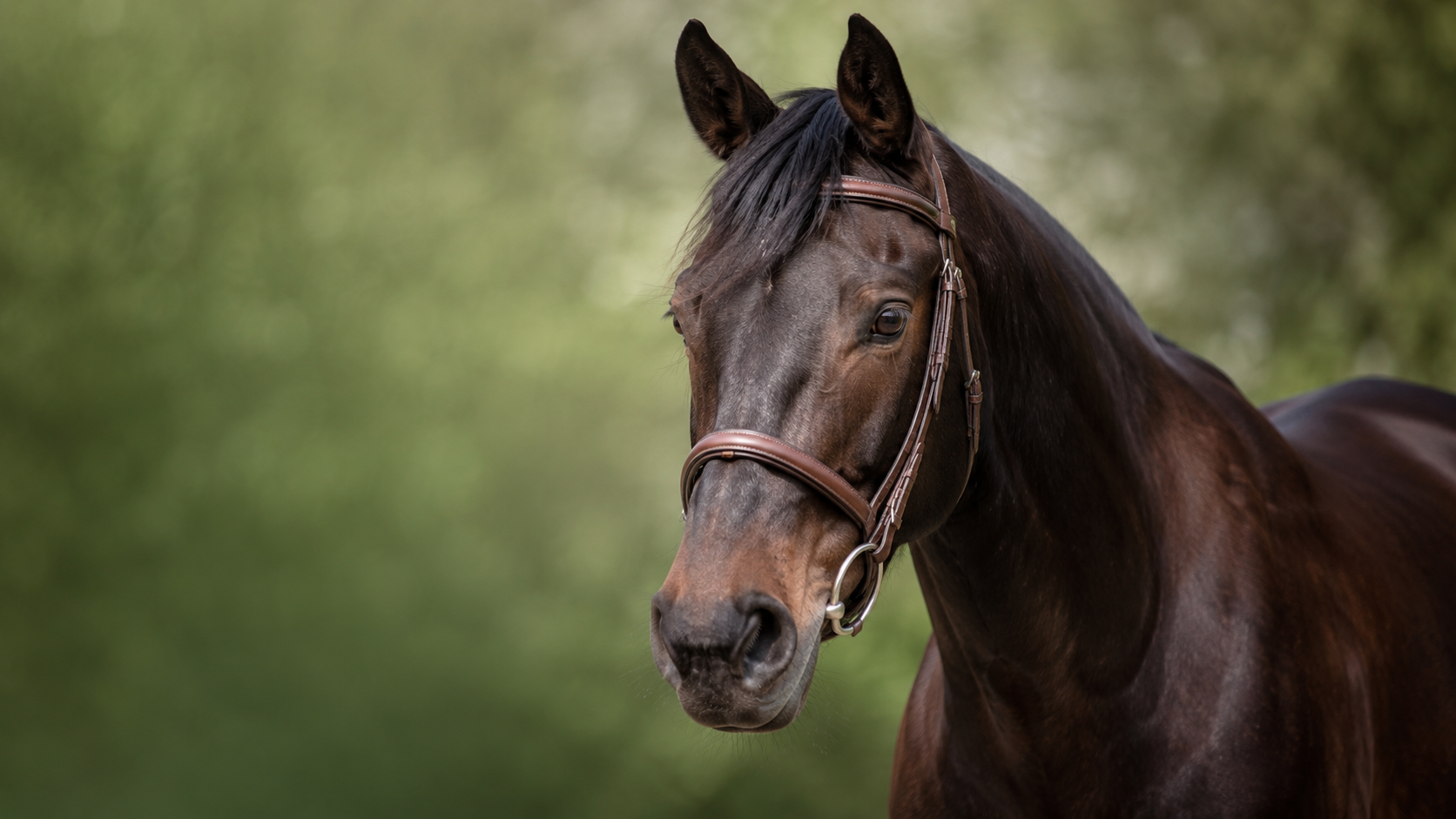
The breed at a glance
Unknown
- Category
- ancient/endangered breed
- Origin
- Unknown · Unknown
- Lifespan
- Unknown
Origin and history
The Lokai breed is a hypothetical breed, not documented in globally recognized equine zootechnical or veterinary registries. There is no factual evidence of its existence, origins, foundational crosses, historical role, or official recognition by an equine breed federation or association. Any information about it would be purely speculative.

Conformation and physique
Unknown, as the breed is not documented.
Unknown
Unknown
Unknown
Unknown
Temperament and aptitudes
Unknown
Unknown
Feeding the Lokai
The specific dietary needs of this breed are unknown, as the breed is not documented. In the absence of information, it is impossible to determine its metabolic type, tendencies towards obesity, suitable forage type, or concentrate requirements.
There is no documented information regarding actual metabolic risks or specific dietary sensitivities for the Lokai breed, as this breed is not recognized or studied.
With Equio, every feed, supplement or treat is read against the horse's real profile (age, weight, Body Condition Score, conditions) — useful for a Lokai as soon as a metabolic or digestive sensitivity is known.

Health and points to watch
In the absence of documentation on the Lokai breed, it is impossible to provide specific health monitoring advice. For any horse, regular veterinary supervision is essential.
Care and grooming
Specific care for the Lokai breed is unknown due to the lack of documentation. General horse care includes regular hoof trimming, mane and coat maintenance, and skin monitoring.
Did you know?
- The 'Lokai' breed is not listed in recognized international equine zootechnical databases.
- It is possible that 'Lokai' is a local name, an unofficial lineage, or a fictional breed.
The Lokai and how to track it
The Lokai breed is not documented as being present, bred, or used in France, or anywhere else in the world.
Equio lets you build a complete profile for a Lokai: identity, weight, Body Condition Score, feeding, conditions, care reminders (vaccines, worming, trimming) and an exportable health log. The breed sets the identity; everyday decisions still depend on the real horse and your vet's advice.
- Record the activity level: rest, leisure, sport or breeding
- Add known conditions or sensitivities
- Scan feeds, plants and care products
- Keep reminders (vaccines, worming, trimming)
- Prepare a PDF export before a vet appointment
Frequently asked questions
Does the Lokai breed actually exist?
According to globally recognized zootechnical registries and equine veterinary databases, the 'Lokai' breed is not documented. There is no factual evidence of its existence as an official equine breed.
Where can I find information on breeding Lokai horses?
Given that the Lokai breed is not documented, there is no reliable information on its breeding, standards, or lineages. Any information found should be treated with the utmost caution.
What are the physical characteristics and temperament of the Lokai?
The physical characteristics and temperament of the Lokai breed are unknown, as there is no official description or scientific documentation for this breed.
Are there any specific health problems associated with the Lokai?
In the absence of documentation on the Lokai breed, it is impossible to identify specific health problems or genetic predispositions. It is recommended to consult a veterinarian for any general equine health questions.
Can I buy a Lokai horse in France?
It is extremely unlikely to find a horse identified as 'Lokai' for purchase in France, or elsewhere, given that this breed is not recognized. It is advisable to turn to established and documented equine breeds.