
Horse breed
Kustanair
The Kustanair breed was developed in Kazakhstan starting in the 1920s, in the steppes of the Kustanai region. It originated from complex crosses between local Kazakh mares and stallions of Russian breeds (Don, Russian Thoroughbred) and other saddle breeds (English Thoroughbred, Orlov Trotter).
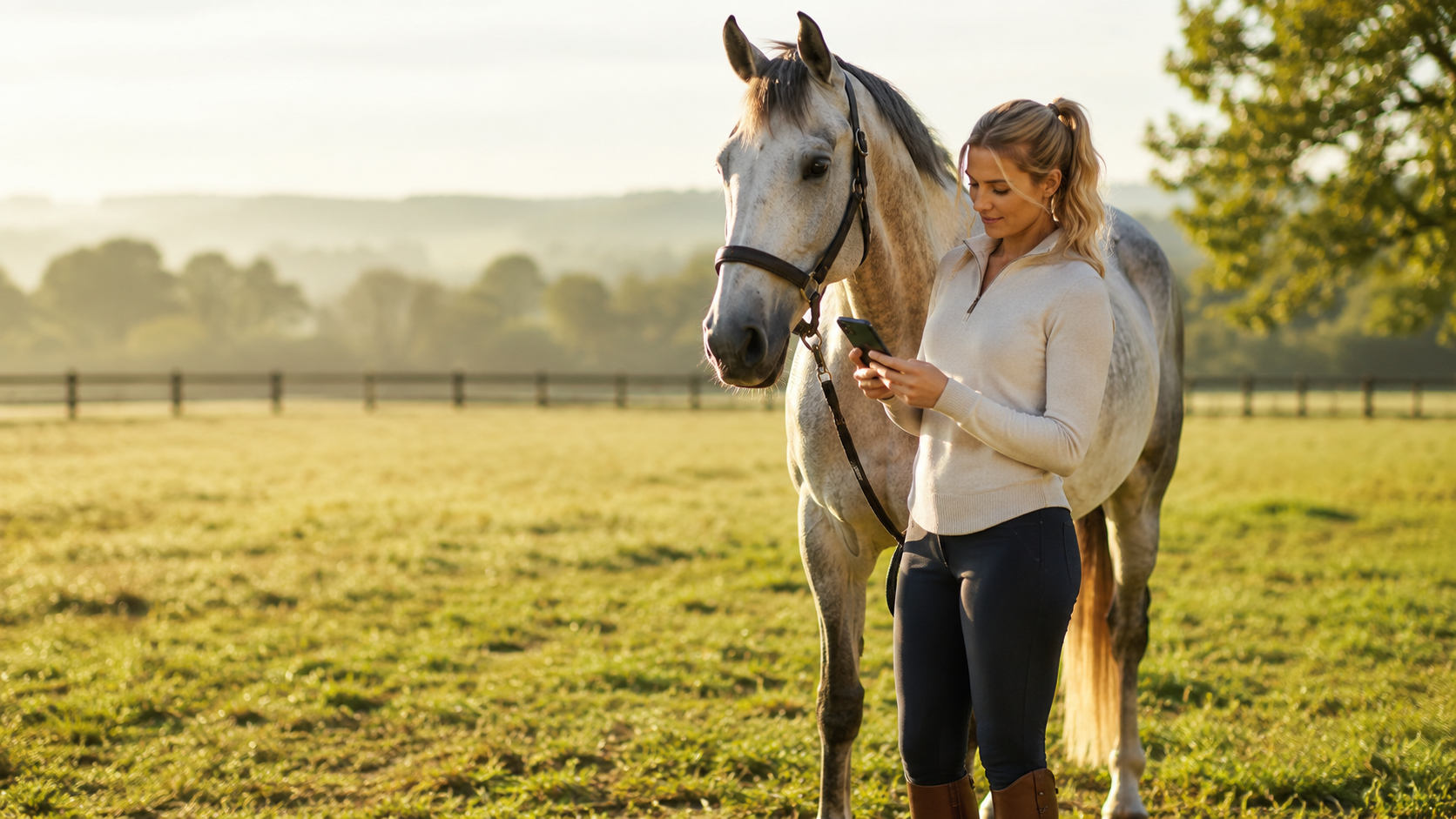
The breed at a glance
The Kustanair is renowned for its calm, courageous, and willing temperament. It is an intelligent horse, easy to train, and possesses great endurance, making it an excellent partner for work and leisure.
- Category
- saddle horse
- Origin
- Kazakhstan · Early 20th century
- Height at withers
- 152–160 cm
- Weight
- 450–550 kg
- Lifespan
- 20-25 years
- Common coats
- bay, chestnut, grey, black
- Disciplines
- endurance riding, equestrian trail riding, show jumping (amateur level), dressage (amateur level)
- Other names
- Kustanai
Origin and history
The Kustanair breed was developed in Kazakhstan starting in the 1920s, in the steppes of the Kustanai region. It originated from complex crosses between local Kazakh mares and stallions of Russian breeds (Don, Russian Thoroughbred) and other saddle breeds (English Thoroughbred, Orlov Trotter). The objective was to create a versatile, hardy horse adapted to rigorous climatic conditions. The breed was officially recognized in 1951.

Conformation and physique
The Kustanair is a medium-sized saddle horse, well-proportioned, with solid bone structure and well-developed musculature. It has an athletic and robust build, inherited from its steppe ancestors.
The head is medium-sized, with a straight or slightly convex profile. The eyes are expressive and the ears are medium-sized and well-placed.
The neck is medium in length, well-set and muscular, blending harmoniously into a well-defined wither.
The back is straight and strong, the topline is solid. The chest is broad and deep, ensuring good respiratory capacity. The croup is long and muscular, often slightly sloping.
The limbs are strong, with well-defined joints and clean tendons. The cannons are short and the feet are hard and well-formed, adapted to varied terrain. Feathering is generally sparse.
- Common coats: bay, chestnut, grey, black
Temperament and aptitudes
The Kustanair is renowned for its calm, courageous, and willing temperament. It is an intelligent horse, easy to train, and possesses great endurance, making it an excellent partner for work and leisure.
The gaits are ample, supple, and energetic, with good balance. The walk is regular, the trot is extended, and the canter is powerful, allowing for covering long distances.
- Uses: saddle horse, light draft horse, agricultural work, transport, endurance racing, recreational riding
- Disciplines: endurance riding, equestrian trail riding, show jumping (amateur level), dressage (amateur level)
Feeding the Kustanair
The Kustanair is a hardy and economical horse, accustomed to the difficult conditions of the steppes. It has an efficient metabolism and can utilize medium-quality forage. It is important to provide it with a balanced diet, primarily based on hay or grass. Concentrates are only necessary in cases of intense work or specific needs, to avoid obesity.
Due to its hardiness and efficient metabolism, the Kustanair can be predisposed to obesity if overfed or lacking exercise. Therefore, it is advisable to monitor its weight and adapt its diet to prevent conditions such as laminitis or Equine Metabolic Syndrome (EMS), although there is no documented specific genetic predisposition to these diseases for the breed.
With Equio, every feed, supplement or treat is read against the horse's real profile (age, weight, Body Condition Score, conditions) — useful for a Kustanair as soon as a metabolic or digestive sensitivity is known.

Health and points to watch
It is important to ensure good weight management to prevent metabolic problems. Particular attention should be paid to hoof care; while naturally hard, they may require regular trimming to maintain their integrity, especially if subjected to abrasive terrain.
- More frequent conditions: locomotor disorders related to wear and tear (osteoarthritis) in older or heavily worked horses
Care and grooming
Kustanair care is relatively simple. Its robust hooves require regular trimming, but shoeing is not always essential. Its mane and tail can be thick and require occasional detangling. Its dense coat protects it well from the elements and does not require special care, apart from regular brushing to remove dirt and dead hair.
Did you know?
- The Kustanair was widely used by the Soviet army for its hardiness and endurance.
- It is capable of withstanding extreme temperature variations, ranging from -30°C in winter to +40°C in summer, thanks to its adaptation to the Kazakh steppes.
- The breed played a crucial role in the development of horse breeding in Kazakhstan and the Central Asian republics.
The Kustanair and how to track it
The Kustanair breed is very rare in France and is not significantly bred there. A few individuals may be present, imported for endurance riding or recreational riding by enthusiasts of hardy breeds.
Equio lets you build a complete profile for a Kustanair: identity, weight, Body Condition Score, feeding, conditions, care reminders (vaccines, worming, trimming) and an exportable health log. The breed sets the identity; everyday decisions still depend on the real horse and your vet's advice.
- Record the activity level: rest, leisure, sport or breeding
- Add known conditions or sensitivities
- Scan feeds, plants and care products
- Keep reminders (vaccines, worming, trimming)
- Prepare a PDF export before a vet appointment
Frequently asked questions
Is the Kustanair a good horse for beginners?
Yes, the Kustanair is generally considered a good horse for beginners due to its calm temperament, docility, and hardiness. It is patient and learns quickly, which facilitates its training and handling by less experienced riders.
What is the Kustanair's main quality?
The Kustanair's main qualities are its exceptional endurance and hardiness. It is capable of covering long distances over varied terrain and adapting to harsh climatic conditions, all while maintaining good health and a reliable temperament.
Is the Kustanair suited to year-round outdoor living?
Absolutely. The Kustanair is perfectly suited to year-round outdoor living, even in harsh climates. Its dense coat and robust constitution allow it to withstand cold and bad weather, provided it has natural or artificial shelter and an appropriate diet.
Where can one find a Kustanair for sale?
Finding a Kustanair for sale outside of Kazakhstan and neighboring countries is difficult due to its rarity. It is advisable to contact international equine breed associations or breeders specializing in Central Asian breeds for potential imports.
Is the Kustanair a fast horse?
The Kustanair is an endurance horse rather than a fast horse over short distances. It excels in endurance competitions where its ability to maintain a sustained pace over long periods is a major asset, rather than in pure speed races.