
Horse breed
Kundudo
The Kundudo is a wild or feral horse breed, discovered in the Kundudo mountains, near Harar, Ethiopia. Its exact origin is uncertain, but it is considered a descendant of escaped domestic horses or indigenous equine populations.

The breed at a glance
As a feral horse, the Kundudo is naturally wary and wild towards humans. Its temperament is that of a wild animal, with a great capacity for adaptation and survival in difficult conditions.
- Category
- ancient/endangered breed
- Origin
- Ethiopia · Antiquity / Middle Ages (ancient presence)
- Height at withers
- 120–130 cm
- Lifespan
- variable in the wild, potentially 20-25 years
- Common coats
- bay, chestnut, grey, black
Origin and history
The Kundudo is a wild or feral horse breed, discovered in the Kundudo mountains, near Harar, Ethiopia. Its exact origin is uncertain, but it is considered a descendant of escaped domestic horses or indigenous equine populations. The breed has never been officially recognized by an international studbook, and its population is extremely small, possibly even extinct, making it a breed of major zootechnical and conservation interest.
Conformation and physique
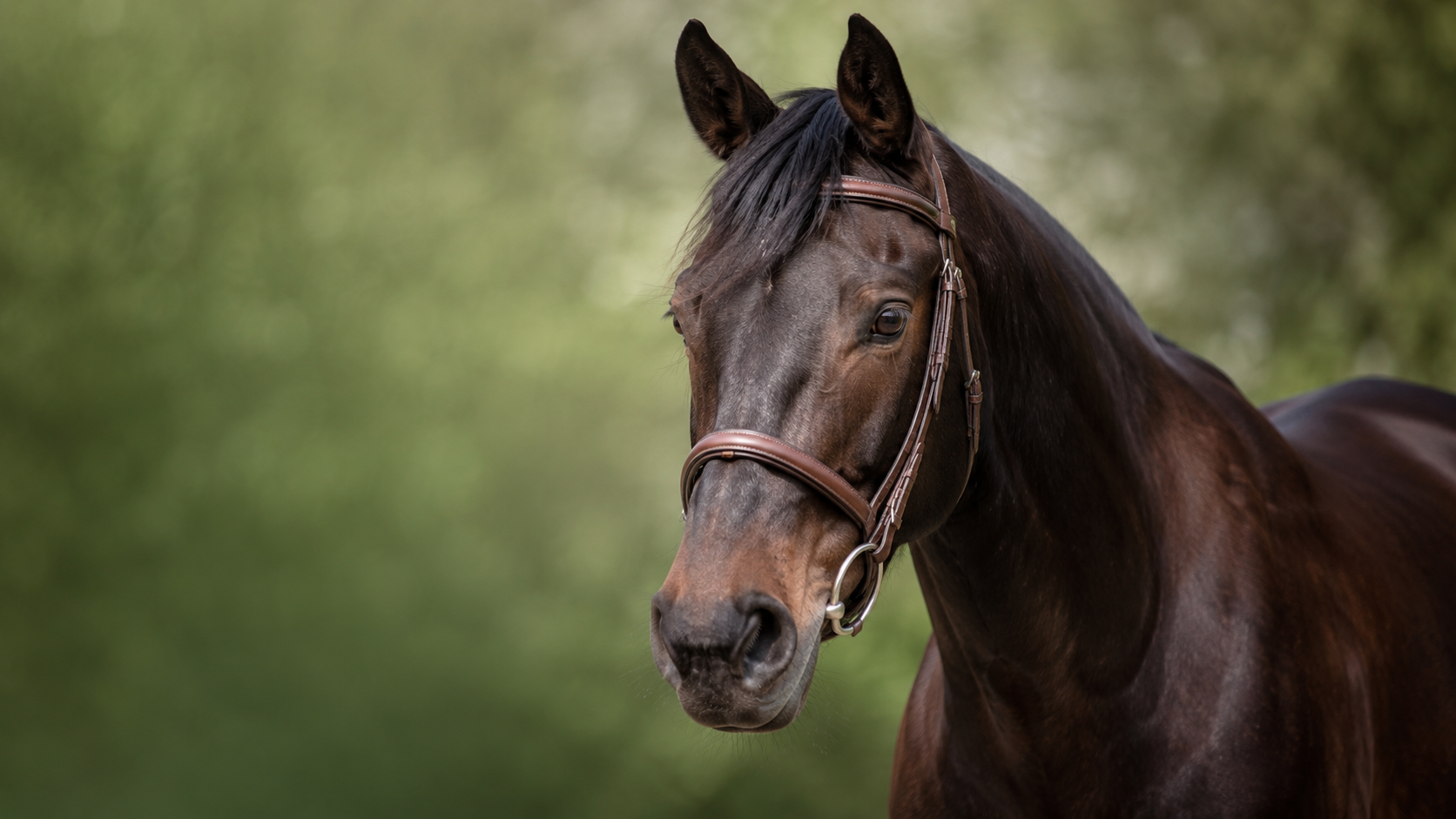
Small, pony-type horse, with a compact and muscular build, adapted to mountain life. Its bone structure is fine but robust, reflecting its adaptation to a difficult environment.
Relatively small head, with a straight or slightly concave profile. The eyes are expressive and the ears are medium-sized, well-set.
Short and thick neck, well-set, blending into a low but muscular wither.
Short and strong back, straight topline. Deep and well-developed chest. Rounded and muscular croup, often slightly sloping.
Fine but strong limbs, with well-defined joints and clean tendons. The hooves are small, hard, and resistant, adapted to rocky terrain. No pronounced feathering.
- Common coats: bay, chestnut, grey, black
Temperament and aptitudes
As a feral horse, the Kundudo is naturally wary and wild towards humans. Its temperament is that of a wild animal, with a great capacity for adaptation and survival in difficult conditions.
The gaits are agile and sure-footed, with a good ability to move over uneven terrain. The walk is energetic and the trot balanced, reflecting its adaptation to mountain life.
- Uses: no documented domestic use, scientific and conservation interest
Feeding the Kundudo
As a feral breed, the Kundudo is a very economical horse, accustomed to feeding on poor forage and shrubby vegetation. Its metabolism is adapted to periods of scarcity, and it is capable of utilizing low-quality food resources. It has no specific need for concentrates, except in cases of intense work, which is not applicable to this breed.
As a hardy and feral breed, the Kundudo is likely very resistant to common metabolic problems in domestic horses. There is no documented predisposition to laminitis, Equine Metabolic Syndrome (EMS), or other sugar/starch sensitivities, given its natural diet and lifestyle.
With Equio, every feed, supplement or treat is read against the horse's real profile (age, weight, Body Condition Score, conditions) — useful for a Kundudo as soon as a metabolic or digestive sensitivity is known.

Health and points to watch
The primary concern for this breed is its survival and the preservation of its habitat. As a wild animal, its health is regulated by natural selection. Any human intervention should be minimal and focused on population conservation.
- More frequent conditions: parasitism (in the wild), environment-related injuries
Care and grooming
No specific care is required for this breed in the wild. Hooves wear naturally, and the mane, tail, and coat are adapted to climatic conditions. In case of capture for conservation purposes, basic veterinary care would be necessary.
Did you know?
- The Kundudo is one of the last wild or feral horse populations in Africa, which gives it unique ecological and genetic importance.
- Scientific expeditions have been conducted to try and locate and study the last individuals of this breed, highlighting the urgency of its conservation.
- The breed's status is uncertain, with some experts fearing it may already be extinct in the wild.
The Kundudo and how to track it
The Kundudo breed is not present in France and is not bred there. Its population is endemic to a very specific region of Ethiopia, and its status is critical.
Equio lets you build a complete profile for a Kundudo: identity, weight, Body Condition Score, feeding, conditions, care reminders (vaccines, worming, trimming) and an exportable health log. The breed sets the identity; everyday decisions still depend on the real horse and your vet's advice.
- Record the activity level: rest, leisure, sport or breeding
- Add known conditions or sensitivities
- Scan feeds, plants and care products
- Keep reminders (vaccines, worming, trimming)
- Prepare a PDF export before a vet appointment
Frequently asked questions
Does the Kundudo horse still exist?
The status of the Kundudo horse is highly concerning. Recent studies suggest that the population may be extinct in the wild, although research is still ongoing to confirm or refute this sad reality. It is an extremely rare and endangered breed.
Can a Kundudo horse be domesticated?
The Kundudo is a feral horse, meaning wild. Its domestication would be extremely difficult and is not the primary objective, which is rather the conservation of the species in its natural habitat. Furthermore, the population is too small to consider domestication.
What is the scientific importance of the Kundudo?
The Kundudo represents a unique genetic heritage and an opportunity to study the adaptation of equids to extreme environments. Its survival is crucial for equine biodiversity and understanding the evolution of horses in Africa.
Where can Kundudo horses be seen?
It is extremely unlikely to see Kundudo horses, even in Ethiopia. If individuals still exist, they live in remote and inaccessible areas of the Kundudo mountains. There is no known captive breeding program.
Is the Kundudo a pony or a horse?
With an average height of 120-130 cm at the withers, the Kundudo is technically classified as a pony according to size standards. However, it is often referred to as a 'wild horse' due to its ancestry and feral behavior.