
Horse breed
Horro
The Horro is an indigenous equine breed from Ethiopia, specifically from the Oromia region. It is the result of natural selection and adaptation to its mountainous and arid environment.
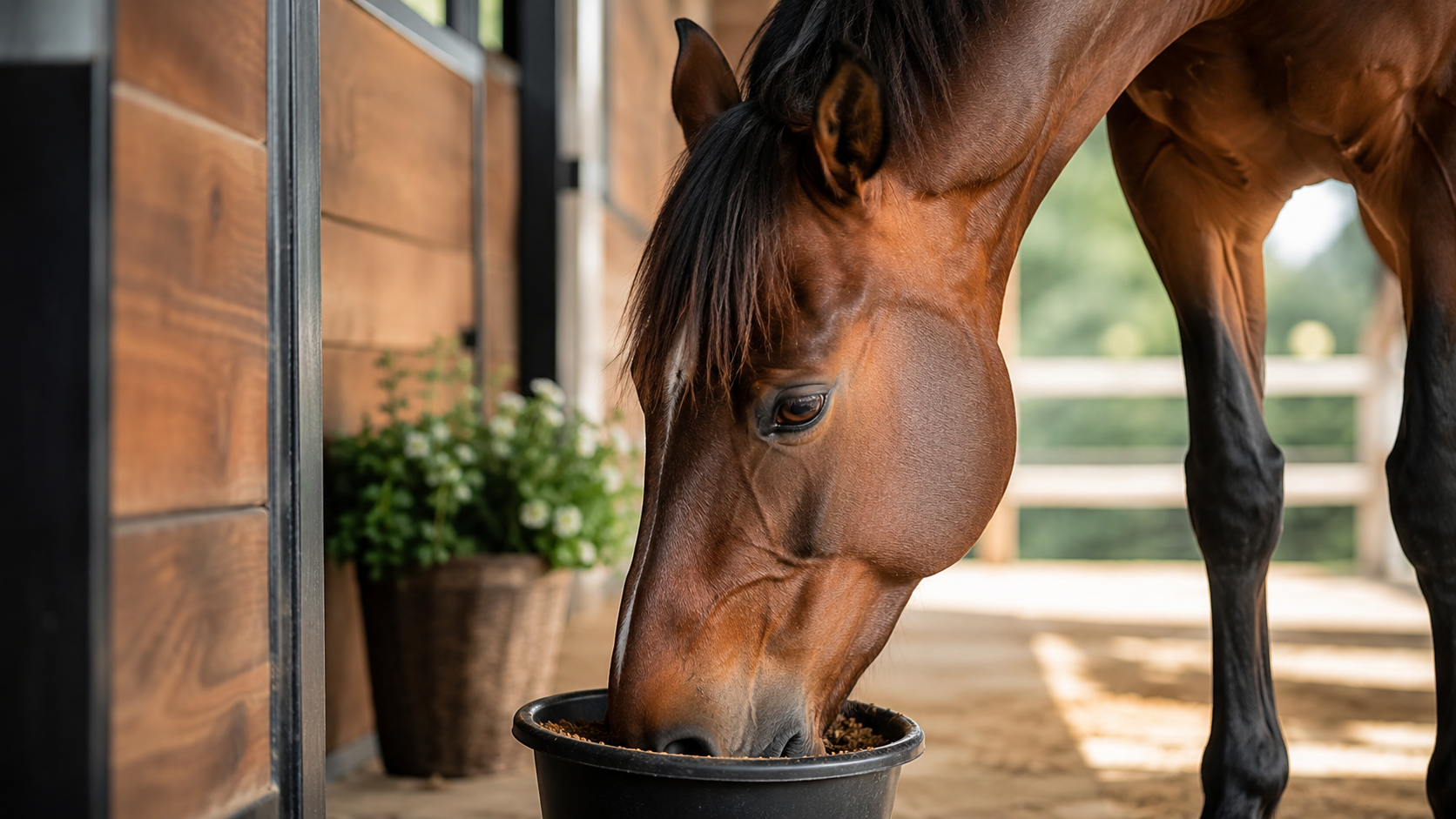
The breed at a glance
The Horro is renowned for its calm, docile, and very resilient temperament. It is courageous, enduring, and demonstrates a great aptitude for work, being accustomed to demanding tasks and long days.
- Category
- hardy breed
- Origin
- Ethiopia · Ancient (several centuries old)
- Height at withers
- 120–135 cm
- Weight
- 200–250 kg
- Lifespan
- 20-25 years
- Common coats
- bay, chestnut, black, grey
Origin and history
The Horro is an indigenous equine breed from Ethiopia, specifically from the Oromia region. It is the result of natural selection and adaptation to its mountainous and arid environment. Used for centuries by local populations for transport and agricultural work, it has not been subjected to documented foundational crossbreeding with foreign breeds. Its official recognition as a distinct breed is primarily local and academic, without a major international dedicated organization.
Conformation and physique
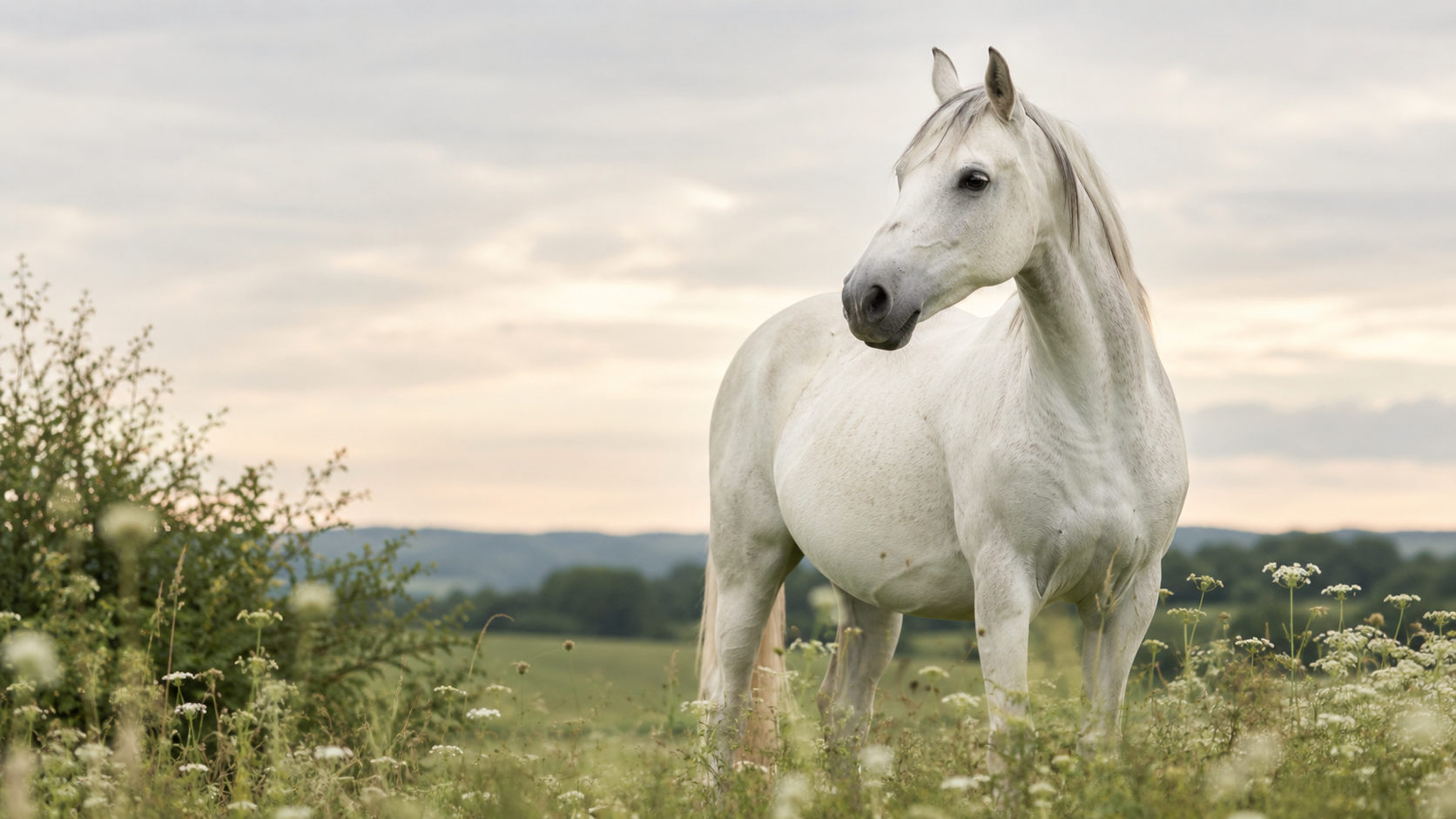
The Horro is a small horse of compact and robust build, typical of hardy breeds adapted to difficult terrain. Its bone structure is solid, and its silhouette is that of an enduring working horse.
The head is medium-sized, with a generally straight or slightly convex profile. The eyes are expressive, and the ears are medium-sized.
The neck is short and muscular, well-set, blending into a wither that is not highly pronounced but well-defined.
The back is short and strong, with a straight topline. The chest is deep and wide, indicating good respiratory capacity. The croup is muscular and slightly sloped.
The limbs are short, clean, and very strong, with well-defined joints and robust tendons. The hooves are hard and well-formed, adapted to rocky terrain. Feathering is generally absent or very sparsely developed.
- Common coats: bay, chestnut, black, grey
Temperament and aptitudes
The Horro is renowned for its calm, docile, and very resilient temperament. It is courageous, enduring, and demonstrates a great aptitude for work, being accustomed to demanding tasks and long days.
The gaits are free, sure-footed, and energy-efficient, particularly suited to uneven terrain. The walk is regular, and the trot is energetic.
- Uses: pack transport (pack saddle), light agricultural work, pack horse, saddle mount for local travel
Feeding the Horro
The Horro is a very economical horse, accustomed to frugal diets. Its metabolism is adapted to utilizing low-quality forages, and it has a natural tendency to gain weight if fed too richly. It generally thrives on poor pastures and coarse forages. Concentrates are only necessary in cases of very intense work or proven deficiency, and should be introduced with caution.
Due to its thrifty metabolism, the Horro can be predisposed to Equine Metabolic Syndrome (EMS) and laminitis if overfed or exposed to pastures too rich in fructans. Careful monitoring of its weight and diet is essential to prevent these conditions.
With Equio, every feed, supplement or treat is read against the horse's real profile (age, weight, Body Condition Score, conditions) — useful for a Horro as soon as a metabolic or digestive sensitivity is known.

Health and points to watch
It is important to monitor body condition to prevent obesity, implement a regular and appropriate deworming program, and ensure proper hoof care. Their hooves are naturally resilient but can suffer from inadequate trimming or excessive wear on very abrasive ground.
- More frequent conditions: laminitis (if overfed), gastrointestinal parasitism (in traditional husbandry environments), hoof conditions related to excessive wear on hard ground if not properly trimmed
Care and grooming
Horro care is relatively simple. Its hard hooves require regular trimming but can be left barefoot if the work allows. Mane and tail are generally left natural. Its hardy coat requires no special care, and clipping is rarely necessary. Particular attention should be paid to the skin in case of pack saddle sores.
Did you know?
- The Horro is a pillar of the Ethiopian rural economy, essential for transporting goods in difficult-to-access mountainous regions.
- Its ability to survive and work in harsh climatic and dietary conditions attests to its remarkable hardiness and evolutionary adaptation.
- Genetic studies have shown great diversity within the Horro population, highlighting its importance for equine biodiversity.
The Horro and how to track it
The Horro breed is very rarely found in France, or even absent, as its breeding and use are confined to its country of origin, Ethiopia.
Equio lets you build a complete profile for a Horro: identity, weight, Body Condition Score, feeding, conditions, care reminders (vaccines, worming, trimming) and an exportable health log. The breed sets the identity; everyday decisions still depend on the real horse and your vet's advice.
- Record the activity level: rest, leisure, sport or breeding
- Add known conditions or sensitivities
- Scan feeds, plants and care products
- Keep reminders (vaccines, worming, trimming)
- Prepare a PDF export before a vet appointment
Frequently asked questions
Can the Horro be ridden by adults?
Yes, although small in size, the Horro is sturdy and can carry a light to medium adult. It is primarily used as a pack animal or for local travel, but its strength and endurance are remarkable for its size.
What is special about the Horro's hooves?
The Horro's hooves are renowned for their hardness and resistance. They are adapted to the rocky and uneven terrain of its natural environment, allowing it to move with ease and without shoeing in most cases.
Is the Horro adapted to cold climates?
The Horro is primarily adapted to the hot and arid climates of Ethiopia. Although hardy, it is not naturally adapted to cold and humid climates without appropriate protection and feeding.
Is it possible to acquire a Horro outside Ethiopia?
It is extremely rare, if not impossible, to acquire a Horro outside Ethiopia. The breed is local and not exported. Its conservation and use are intrinsically linked to its country of origin.
What is the Horro's main role in its country of origin?
The Horro's main role is that of a versatile working animal. It is essential for transporting goods and people in rural and mountainous areas, as well as for light agricultural tasks, directly contributing to the livelihood of local communities.