
Horse breed
Gayoe Pony
The Gayoe pony is an indigenous breed from the mountainous Gayo region, in Aceh province, on the island of Sumatra in Indonesia. Its origin is ancient, likely stemming from crosses between local ponies and horses imported from Asia.
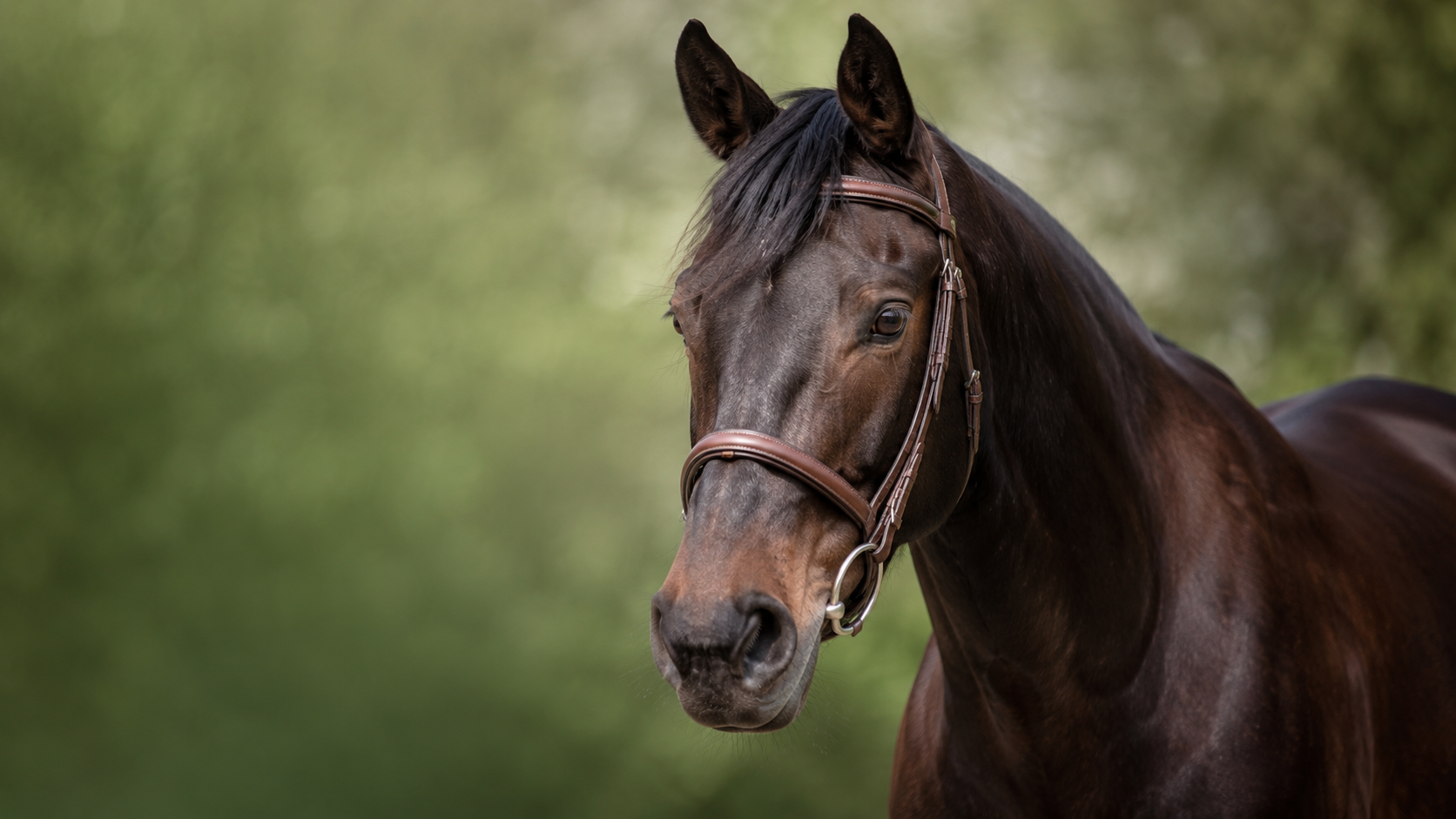
The breed at a glance
The Gayoe is renowned for its calm, docile, and courageous temperament. It is very resilient, enduring, and willing to work, making it an excellent pack and saddle pony for local populations.
- Category
- pony
- Origin
- Indonesia · Antiquity / Middle Ages
- Height at withers
- 120–130 cm
- Lifespan
- 20-25 years
- Common coats
- bay, chestnut, black, grey
- Disciplines
- trail riding, light agricultural work
- Other names
- Gayo
Origin and history
The Gayoe pony is an indigenous breed from the mountainous Gayo region, in Aceh province, on the island of Sumatra in Indonesia. Its origin is ancient, likely stemming from crosses between local ponies and horses imported from Asia. It was developed for its robustness and adaptation to difficult terrain. The breed is locally recognized and is subject to conservation programs.

Conformation and physique
It is a small, compact, and robust pony with a solid bone structure. It has a stocky build, typical of mountain ponies adapted to work and survival in harsh environments.
The head is medium-sized, with a straight or slightly convex profile. The eyes are expressive, and the ears are small and well-placed.
The neck is short, muscular, and well-set, blending into a low but strong wither.
The back is short and strong, with a straight topline. The chest is deep and broad, and the croup is muscular and slightly sloped.
The limbs are short, clean, and very strong, with well-developed joints. The hooves are hard and resilient, adapted to mountainous terrain. Feathering is generally absent or very sparse.
- Common coats: bay, chestnut, black, grey
Temperament and aptitudes
The Gayoe is renowned for its calm, docile, and courageous temperament. It is very resilient, enduring, and willing to work, making it an excellent pack and saddle pony for local populations.
The gaits are energetic, sure-footed, and agile, with a good ability to move over uneven terrain. The walk is regular, and the trot is active.
- Uses: carrying loads (pack), working mount, agriculture, traditional pony races
- Disciplines: trail riding, light agricultural work
Feeding the Gayoe Pony
The Gayoe pony is a very thrifty animal, accustomed to frugal diets. Its metabolism is adapted to utilizing low-quality forage. It has a natural tendency to gain weight if its diet is too rich or if it is sedentary. A supply of coarse forage (grass, hay) is sufficient for most individuals, with concentrates only for animals in intense work or growth.
Due to its thrifty metabolism, the Gayoe can be predisposed to Equine Metabolic Syndrome (EMS) and laminitis if overfed or sedentary, especially with diets rich in sugars and starch. Careful dietary management is crucial to prevent these conditions.
With Equio, every feed, supplement or treat is read against the horse's real profile (age, weight, Body Condition Score, conditions) — useful for a Gayoe Pony as soon as a metabolic or digestive sensitivity is known.

Health and points to watch
Regular monitoring of weight and body condition is essential to prevent obesity and associated metabolic problems. The hooves, though robust, require regular trimming to maintain their integrity, especially if subjected to varied terrain.
- More frequent conditions: laminitis, Equine Metabolic Syndrome (EMS)
Care and grooming
Gayoe ponies are hardy animals that require little specific maintenance. Hoof trimming is important, especially if they are not naturally worn down. Regular brushing is sufficient for coat care. The mane and tail are generally left natural.
Did you know?
- The Gayoe is often used in traditional pony races in Indonesia, where it is ridden by young jockeys.
- Its robustness and agility make it an indispensable animal for the local populations of the Aceh mountains, where it is the primary means of transport and work.
- The breed is considered an important genetic heritage in Indonesia and is subject to conservation efforts.
The Gayoe Pony and how to track it
The Gayoe pony is a very rare breed outside its country of origin. There is no significant population or organized breeding in France.
Equio lets you build a complete profile for a Gayoe Pony: identity, weight, Body Condition Score, feeding, conditions, care reminders (vaccines, worming, trimming) and an exportable health log. The breed sets the identity; everyday decisions still depend on the real horse and your vet's advice.
- Record the activity level: rest, leisure, sport or breeding
- Add known conditions or sensitivities
- Scan feeds, plants and care products
- Keep reminders (vaccines, worming, trimming)
- Prepare a PDF export before a vet appointment
Frequently asked questions
What is the average height of a Gayoe pony?
The Gayoe pony generally measures between 120 and 130 cm at the wither, making it a small but very robust and powerful pony for its size.
Is the Gayoe pony suitable for children?
Yes, thanks to its calm, docile temperament and small size, the Gayoe pony can be an excellent companion for children, provided it is well-trained and supervised.
Where can Gayoe ponies be found?
The Gayoe pony is an indigenous breed from the Gayo region on the island of Sumatra in Indonesia. It is very rare outside this region and is generally not available for purchase in other countries.
What are the main uses of the Gayoe pony?
Historically and currently, the Gayoe is primarily used as a pack pony for transporting goods in the mountains, as an agricultural work mount, and for traditional races. Its versatility is valued by local populations.
Is the Gayoe pony an endangered breed?
Although its population is stable in its region of origin, the Gayoe is a local breed that is the subject of conservation programs to preserve its genetic purity and cultural role in Indonesia.