
Horse breed
Cob Normand
The Cob Normand resulted from crosses between indigenous mares of Lower Normandy and Thoroughbred and Norfolk Trotter stallions in the 19th century. Initially used as a light draft and carriage horse, it was selected for its versatility and robustness.

The breed at a glance
The Cob Normand is renowned for its calm, gentle, and willing temperament. It is a courageous, intelligent, and very people-oriented horse, making it an excellent work and leisure partner. It is easy to train and adapts well to various situations.
- Category
- Cob
- Origin
- France · 19th century
- Height at withers
- 158–170 cm
- Weight
- 550–700 kg
- Lifespan
- 20-25 years
- Common coats
- bay, chestnut, black pangaré, black
- Disciplines
- driving, dressage, TREC, working equitation
Origin and history
The Cob Normand resulted from crosses between indigenous mares of Lower Normandy and Thoroughbred and Norfolk Trotter stallions in the 19th century. Initially used as a light draft and carriage horse, it was selected for its versatility and robustness. The breed's Studbook was created in 1950, formalizing its recognition and standards. It played a crucial role in agriculture and local transport before motorization.
Conformation and physique
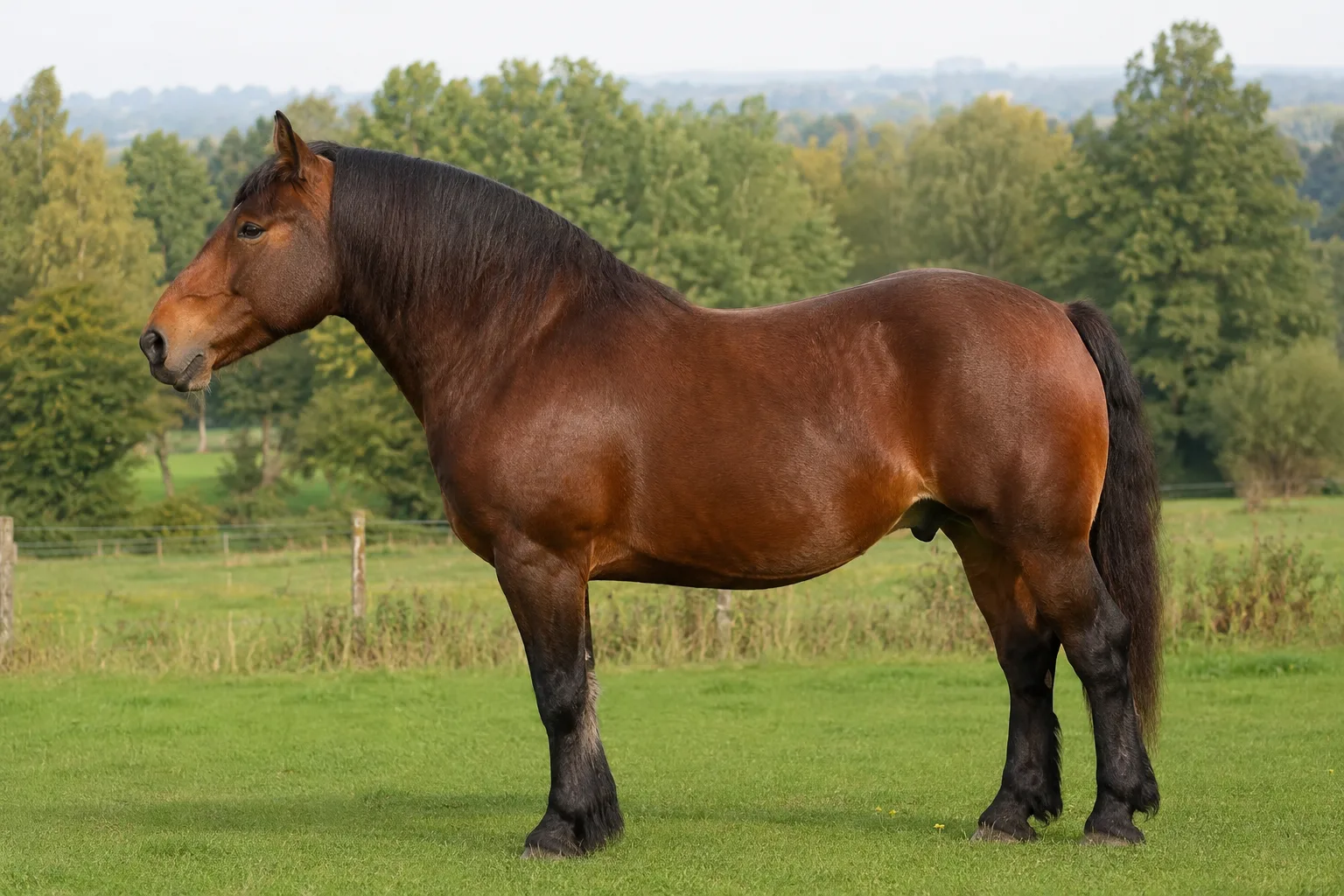
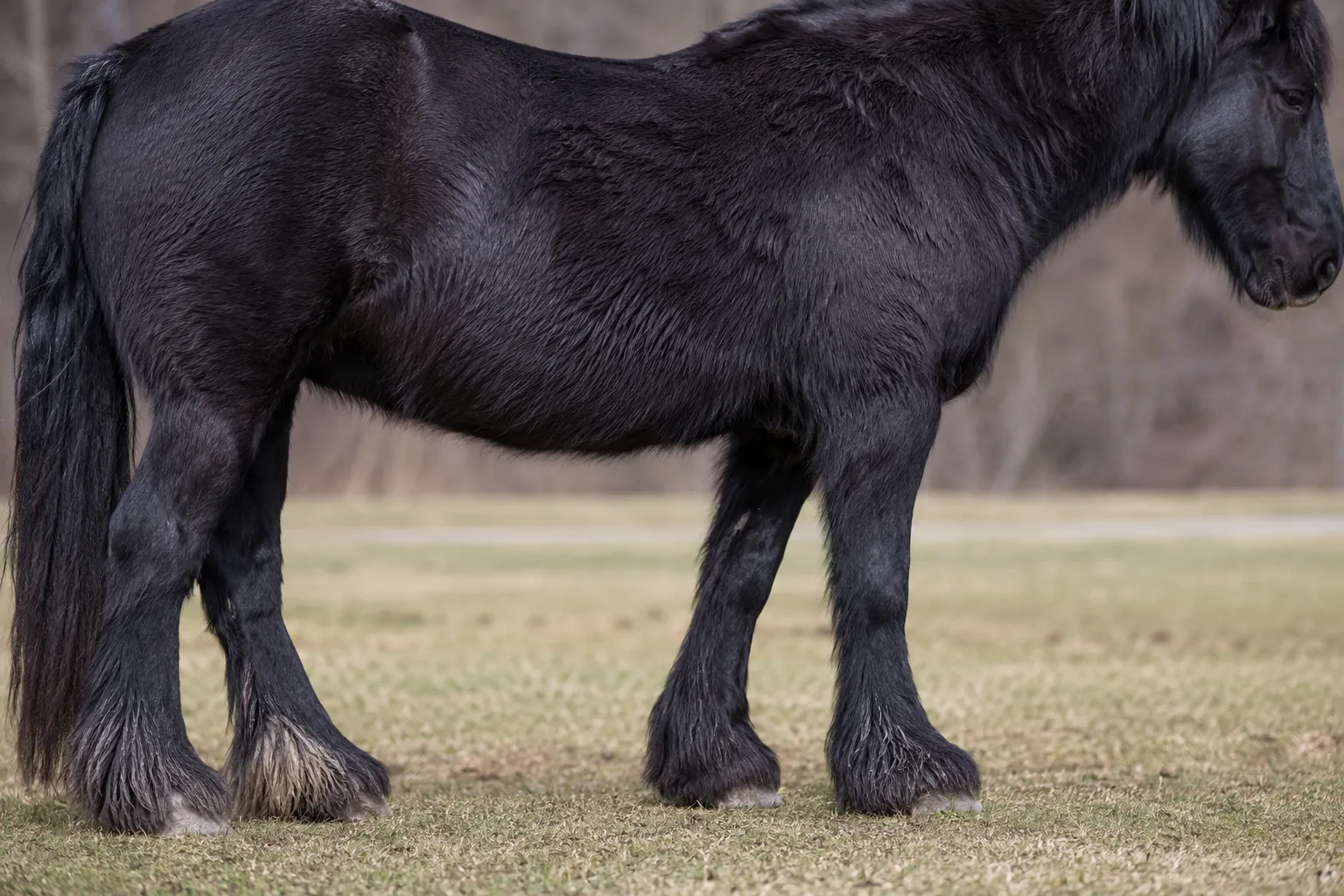
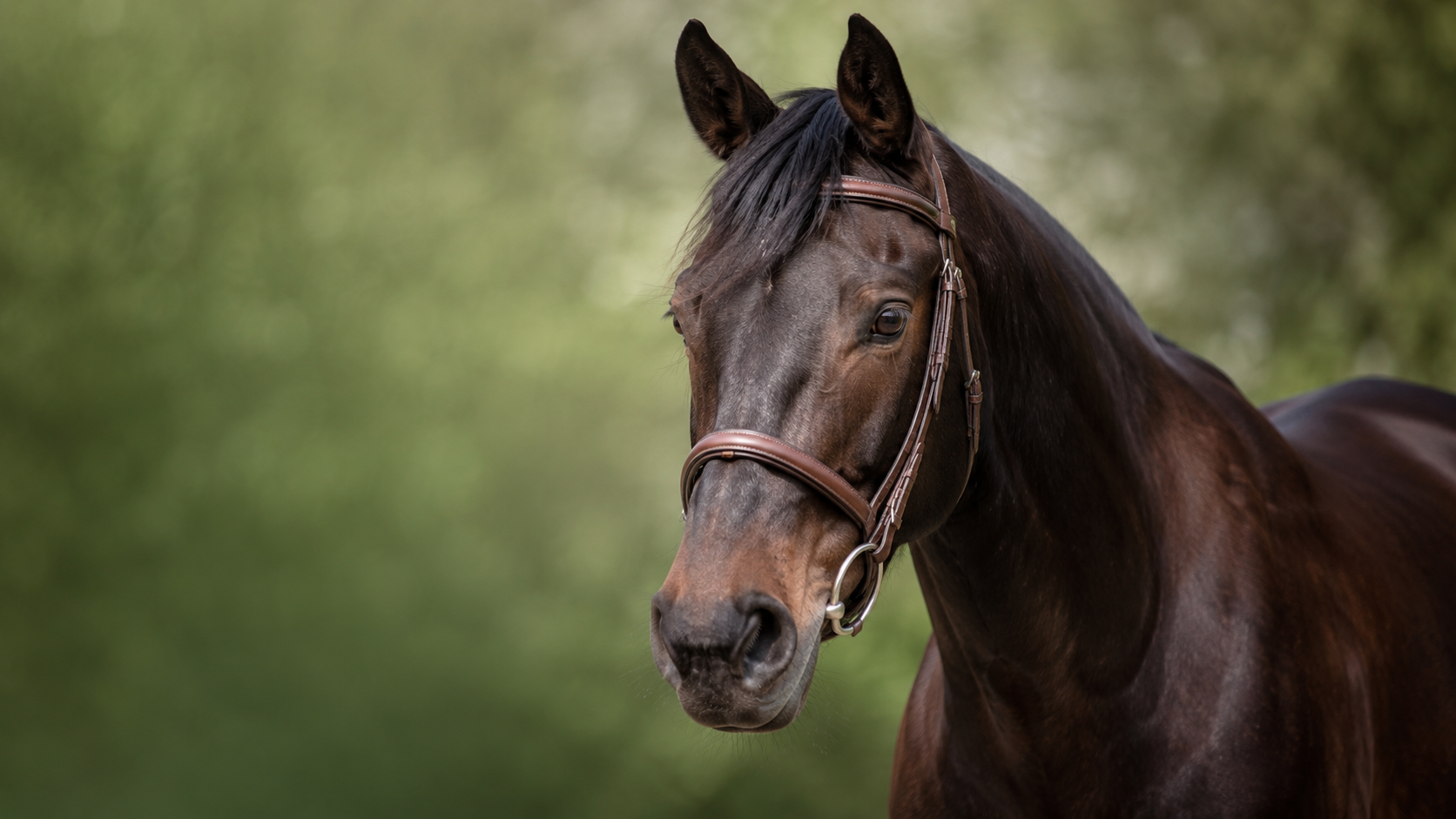
It is a medium-sized, powerful, and compact horse, with a solid bone structure and well-developed musculature. It presents a harmonious silhouette, typical of cobs, combining strength and elegance.
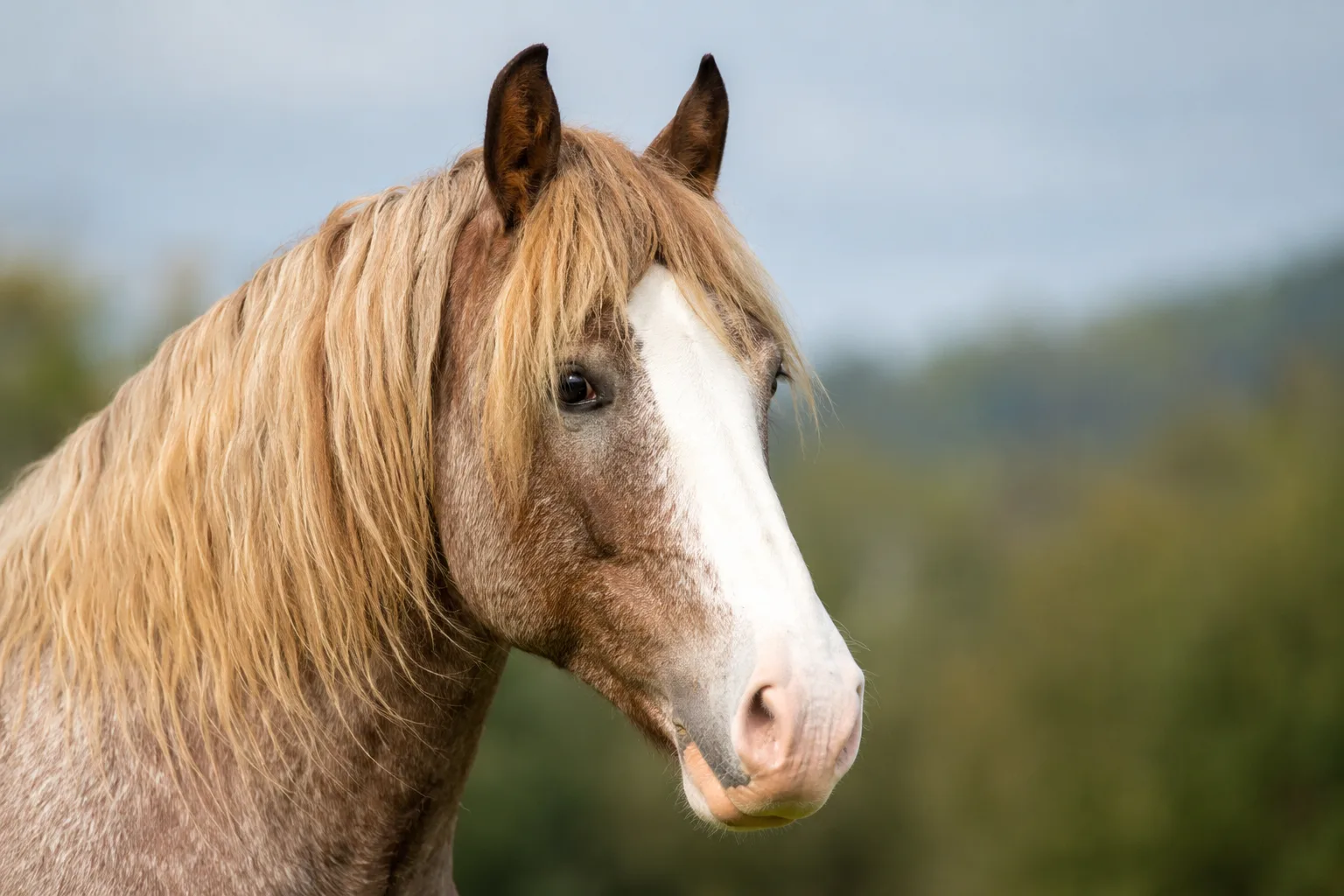
The head is expressive, medium-sized, with a straight or slightly convex (subconvex) profile. The forehead is broad, the eyes are lively, and the ears are well-set and mobile.
The neck is strong, well-muscled, and arched, blending harmoniously into a well-defined and extended wither. It gives the horse a proud carriage.
The body is compact, with a short, strong back and a taut, muscular topline. The chest is broad and deep, with well-sprung ribs. The croup is double, powerful, and slightly sloped.
The limbs are solid, with broad, clean joints. The cannons are short and clean, the pasterns of good length. Feathers are present but not abundant. The feet are round, well-formed, and resilient.
- Common coats: bay, chestnut, black pangaré, black
Temperament and aptitudes
The Cob Normand is renowned for its calm, gentle, and willing temperament. It is a courageous, intelligent, and very people-oriented horse, making it an excellent work and leisure partner. It is easy to train and adapts well to various situations.
The gaits are ample, supple, and energetic, with good balance. The walk is regular, the trot is rhythmic, and the canter is balanced, demonstrating good impulsion and great maneuverability.
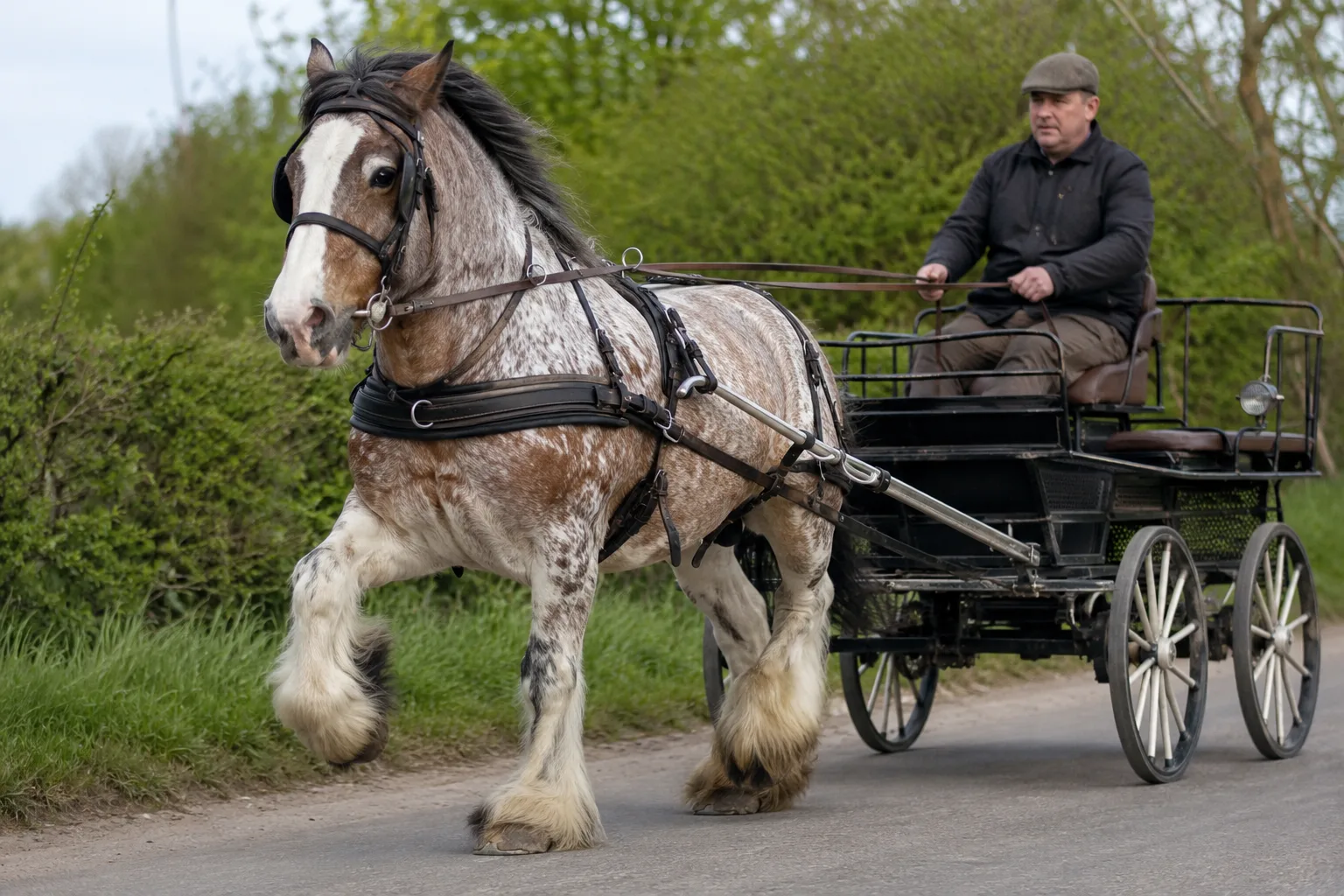
- Uses: recreational and competitive driving, light agricultural work, recreational riding, equestrian trail riding, dressage, show jumping (at an amateur level), family horse
- Disciplines: driving, dressage, TREC, working equitation, vaulting
Feeding the Cob Normand
The Cob Normand is a horse with a rather economical metabolism, capable of efficiently utilizing forage. It has a tendency to gain weight if not worked enough or if its diet is too rich. A base of good quality hay ad libitum is essential. Concentrates should be adjusted according to work intensity, favoring low-energy feeds for horses at rest or in light work, and balanced supplements for more active horses.
The Cob Normand, like many draft horses or cobs, can be predisposed to obesity and, consequently, to Equine Metabolic Syndrome (EMS) and laminitis if its diet is not rigorously managed. It is important to monitor its weight and limit sugar and starch intake, especially for inactive individuals.
With Equio, every feed, supplement or treat is read against the horse's real profile (age, weight, Body Condition Score, conditions) — useful for a Cob Normand as soon as a metabolic or digestive sensitivity is known.

Health and points to watch
Particular attention must be paid to weight management to prevent metabolic risks. The quality of conformation and feet must be regularly monitored to avoid joint and hoof problems, especially in older or heavily worked horses.
- More frequent conditions: joint conditions (osteoarthritis) related to age or intense work, weight problems and metabolic risks (EMS, laminitis)
Care and grooming
The maintenance of the Cob Normand is relatively simple. The hooves require regular trimming suited to their robustness. The mane, tail, and feathers, though present, are not excessively abundant, and regular brushing is sufficient. The coat is dense and requires daily grooming, especially during shedding season. Clipping can be considered for horses in intense work during winter.
Did you know?
- The Cob Normand has been used to improve other breeds, notably the French Trotter, by contributing its robustness and good temperament.
- It is sometimes nicknamed the 'country horse' in Normandy, highlighting its local roots and historical role.
- The breed is also valued for its ability to produce quality horse meat, although this is no longer its primary use.
The Cob Normand and how to track it
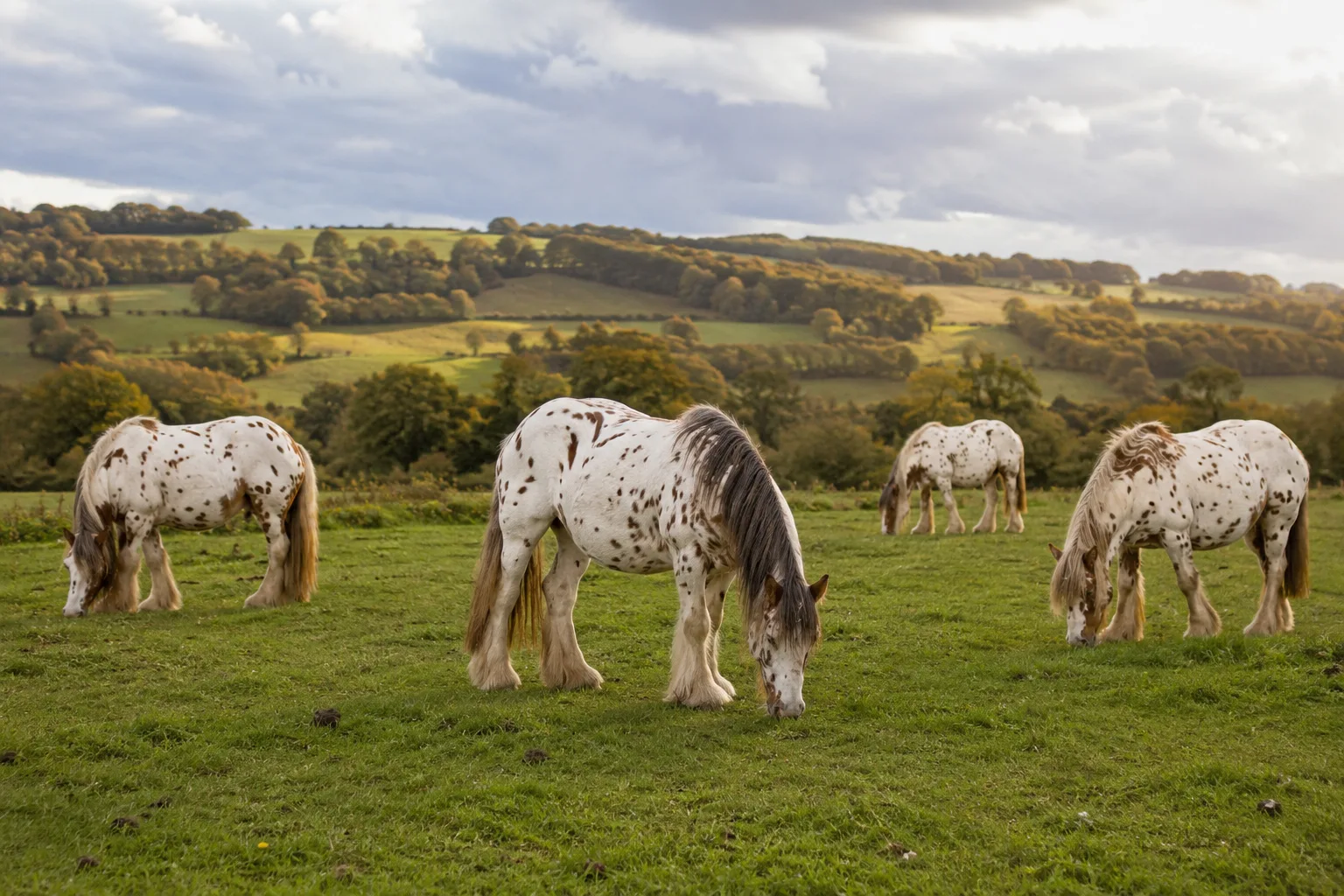
The Cob Normand is primarily bred in Normandy, its region of origin, but is present throughout French territory. It is appreciated for its versatility and character, and its population is stable, although it remains a breed with moderate numbers.
Equio lets you build a complete profile for a Cob Normand: identity, weight, Body Condition Score, feeding, conditions, care reminders (vaccines, worming, trimming) and an exportable health log. The breed sets the identity; everyday decisions still depend on the real horse and your vet's advice.
- Record the activity level: rest, leisure, sport or breeding
- Add known conditions or sensitivities
- Scan feeds, plants and care products
- Keep reminders (vaccines, worming, trimming)
- Prepare a PDF export before a vet appointment
Frequently asked questions
Is the Cob Normand suitable for beginners?
Yes, thanks to its calm, gentle, and willing temperament, the Cob Normand is often recommended for beginner riders or families. Its kindness and patience make it an excellent learning and leisure horse.
What is the purchase cost of a Cob Normand?
The price of a Cob Normand varies considerably depending on its age, training level, lineage, and conformation. You can generally expect to pay between 3,000 and 8,000 euros for a well-trained horse, but foals or older horses may be less expensive.
Can the Cob Normand do show jumping?
Yes, the Cob Normand is capable of jumping. While not a specialized sport horse, its power, balance, and good temperament allow it to practice show jumping at an amateur or recreational level with enjoyment and success.
How to care for a Cob Normand's hooves?
The Cob Normand's hooves are known for being strong. Regular trimming every 6 to 8 weeks by a qualified farrier is essential. Good hoof hygiene, including daily cleaning, also helps prevent problems.
Is the Cob Normand a good driving horse?
Absolutely. Driving is one of the Cob Normand's preferred disciplines. Its strength, calm demeanor, intelligence, and ability to work as part of a team make it an excellent driving horse, whether for leisure or competition.