
Horse breed
Tori Horse
The Tori breed was developed in the late 19th century at the Tori Stud Farm in Estonia, with the aim of creating a versatile agricultural workhorse. It originated from crosses between local Estonian mares and imported stallions, notably the Norfolk Trotter and the Breton Draft.

The breed at a glance
The Tori is renowned for its calm, docile, and willing temperament. It is an intelligent horse, easy to train, and very cooperative, making it an excellent work partner and family horse. It is also courageous and enduring.
- Category
- draft horse
- Origin
- Estonia · Late 19th century - Early 20th century
- Height at withers
- 150–160 cm
- Weight
- 550–650 kg
- Lifespan
- 20-25 years
- Common coats
- chestnut, bay, black
- Disciplines
- competition driving, equestrian trail riding, recreational riding
- Other names
- Tori Horse, Tori Hobune
Origin and history
The Tori breed was developed in the late 19th century at the Tori Stud Farm in Estonia, with the aim of creating a versatile agricultural workhorse. It originated from crosses between local Estonian mares and imported stallions, notably the Norfolk Trotter and the Breton Draft. The breed was officially recognized in 1921 and played a crucial role in Estonian agriculture. Later, infusions of Ardennes and Thoroughbred blood were used to refine the breed.
Conformation and physique
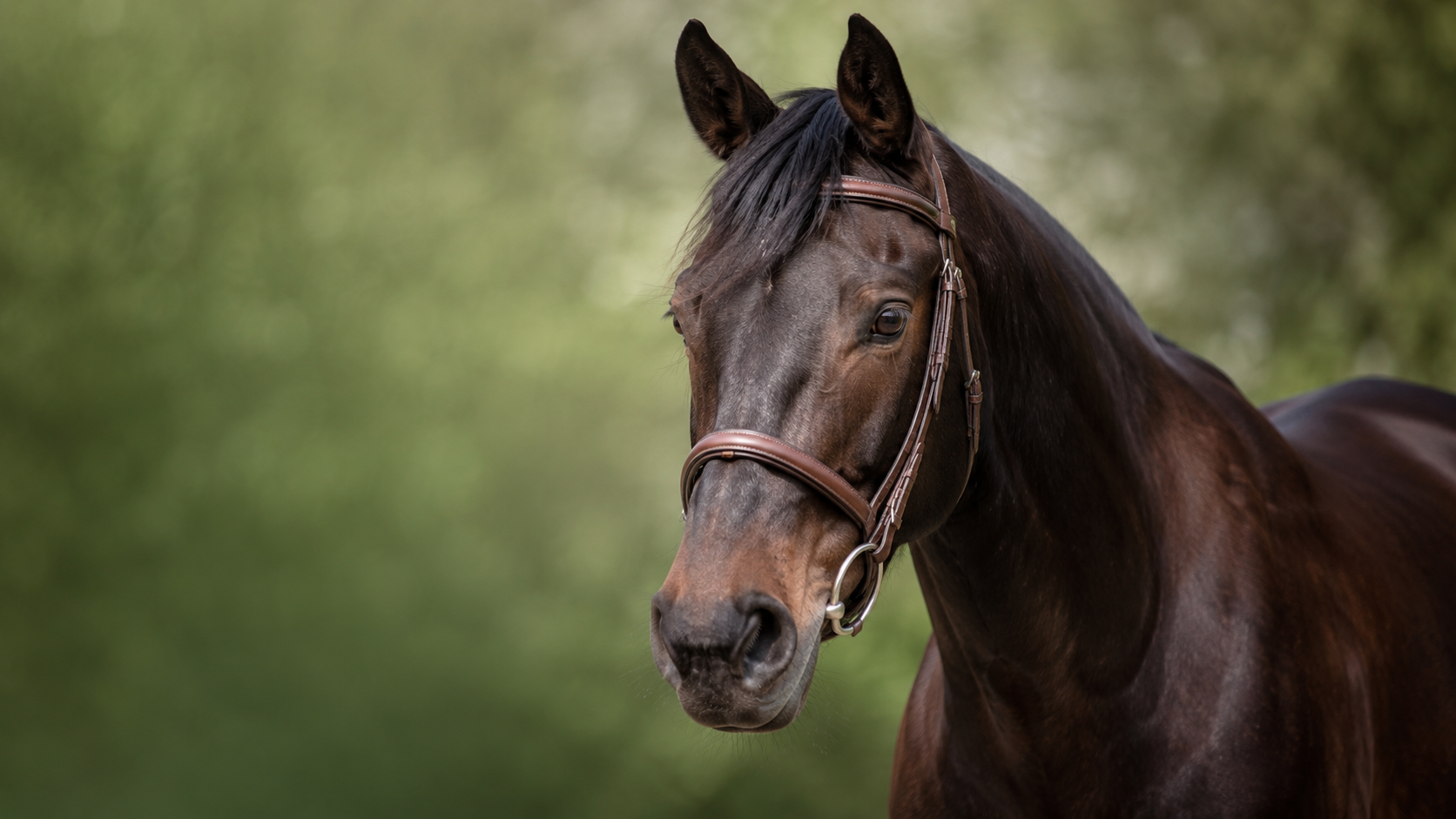
The Tori is a medium to large-sized horse, with a robust and muscular build, typical of a light draft horse. It has strong bone structure and good substance, without being heavy. Its overall appearance is that of a powerful and enduring horse.
The head is medium-sized, with a straight or slightly convex (Roman) profile. The eyes are large and expressive, the ears medium-sized and well-placed. The muzzle is broad.
The neck is strong, muscular, and well-set, often arched, blending harmoniously into a well-defined and muscular wither.
The back is broad and short, the topline is strong. The chest is deep and wide, indicating good lung capacity. The croup is long, broad, and muscular, often slightly sloped.
The limbs are strong, with large and well-defined joints. The cannons are short and robust. The hooves are well-formed and resilient. Feathering is generally sparse or absent.
- Common coats: chestnut, bay, black
Temperament and aptitudes
The Tori is renowned for its calm, docile, and willing temperament. It is an intelligent horse, easy to train, and very cooperative, making it an excellent work partner and family horse. It is also courageous and enduring.
The Tori's gaits are energetic, expansive, and regular, with good impulsion. The walk is active, the trot is supple and powerful, and the canter is balanced, reflecting its aptitude for work and draft.
- Uses: agricultural work (draft, plowing), driving, recreational riding, family horse, meat production (historically)
- Disciplines: competition driving, equestrian trail riding, recreational riding
Feeding the Tori Horse
The Tori is a horse with a rather efficient metabolism, capable of effectively utilizing forage. It tends to gain weight if not sufficiently worked or if its diet is too rich. A diet based on good quality forage (hay or grass) in sufficient quantity is paramount. Concentrates are only necessary in cases of intense work or specific needs (growth, lactation), and must be adapted to avoid excess sugars and starch.
Although the Tori is not specifically documented for major dietary sensitivities, its efficient metabolism potentially makes it more susceptible to Equine Metabolic Syndrome (EMS) and laminitis in cases of overfeeding or a diet too rich in sugars and starch, similar to many draft or hardy breeds. Careful weight management is therefore recommended.
With Equio, every feed, supplement or treat is read against the horse's real profile (age, weight, Body Condition Score, conditions) — useful for a Tori Horse as soon as a metabolic or digestive sensitivity is known.

Health and points to watch
Regular weight monitoring is essential to prevent obesity and associated problems. Hoof care must be rigorous, and particular attention should be paid to the joints, especially in older horses or those that have worked extensively.
- More frequent conditions: osteoarthritis (due to age and work), weight problems (obesity)
Care and grooming
The Tori's hooves are generally strong and require regular trimming every 6 to 8 weeks. The mane and tail are often thick and may require regular detangling. The coat is easy to maintain, and clipping is generally not necessary except for sport horses or in cases of intense work in winter. Good general hygiene is sufficient.
Did you know?
- The Tori was developed from a single foundation stallion, Hetman, a Norfolk Roadster born in 1886, who had a considerable influence on the breed.
- There are two main types of Tori: the heavier, draft-oriented type, and the lighter, more riding horse type, developed more recently with infusions of Thoroughbred blood.
- During the Soviet era, the Tori was one of the most important breeds for agriculture and transport in Estonia.
The Tori Horse and how to track it
The Tori breed is very rare in France, where it is not significantly bred. A few individuals may be present with passionate private owners or imported for recreational driving.
Equio lets you build a complete profile for a Tori Horse: identity, weight, Body Condition Score, feeding, conditions, care reminders (vaccines, worming, trimming) and an exportable health log. The breed sets the identity; everyday decisions still depend on the real horse and your vet's advice.
- Record the activity level: rest, leisure, sport or breeding
- Add known conditions or sensitivities
- Scan feeds, plants and care products
- Keep reminders (vaccines, worming, trimming)
- Prepare a PDF export before a vet appointment
Frequently asked questions
Is the Tori horse suitable for beginners?
Yes, thanks to its calm, docile temperament and willingness to cooperate, the Tori horse is generally very well suited for beginner riders and families. It is patient and forgiving of mistakes.
What is the primary use of the Tori horse today?
Today, the Tori horse is primarily used for recreational and competitive driving, trail riding, and as a versatile family horse. Its role in agriculture has diminished, but it remains valued for its strength and endurance.
Is the Tori horse an endangered breed?
Although its population has decreased from its peak, the Tori horse is not considered critically endangered. Conservation efforts are in place in Estonia to maintain and develop the breed, particularly by distinguishing between older and more modern bloodlines.
Can you do show jumping with a Tori horse?
While the Tori is versatile, it is not naturally predisposed to high-level show jumping due to its light draft horse build. However, it can adapt to lower height courses and recreational show jumping.
What is the cost of acquiring a Tori horse?
The cost of a Tori horse can vary considerably depending on its age, training level, lineage, and location. In Estonia, prices may be moderate, but importing one to France would incur significant additional costs.