
Horse breed
Sindhi Horse
The Sindhi Horse is an ancient breed originating from the Sindh province in Pakistan. It resulted from crosses between local horses and Arabian or Persian horses introduced over the centuries.
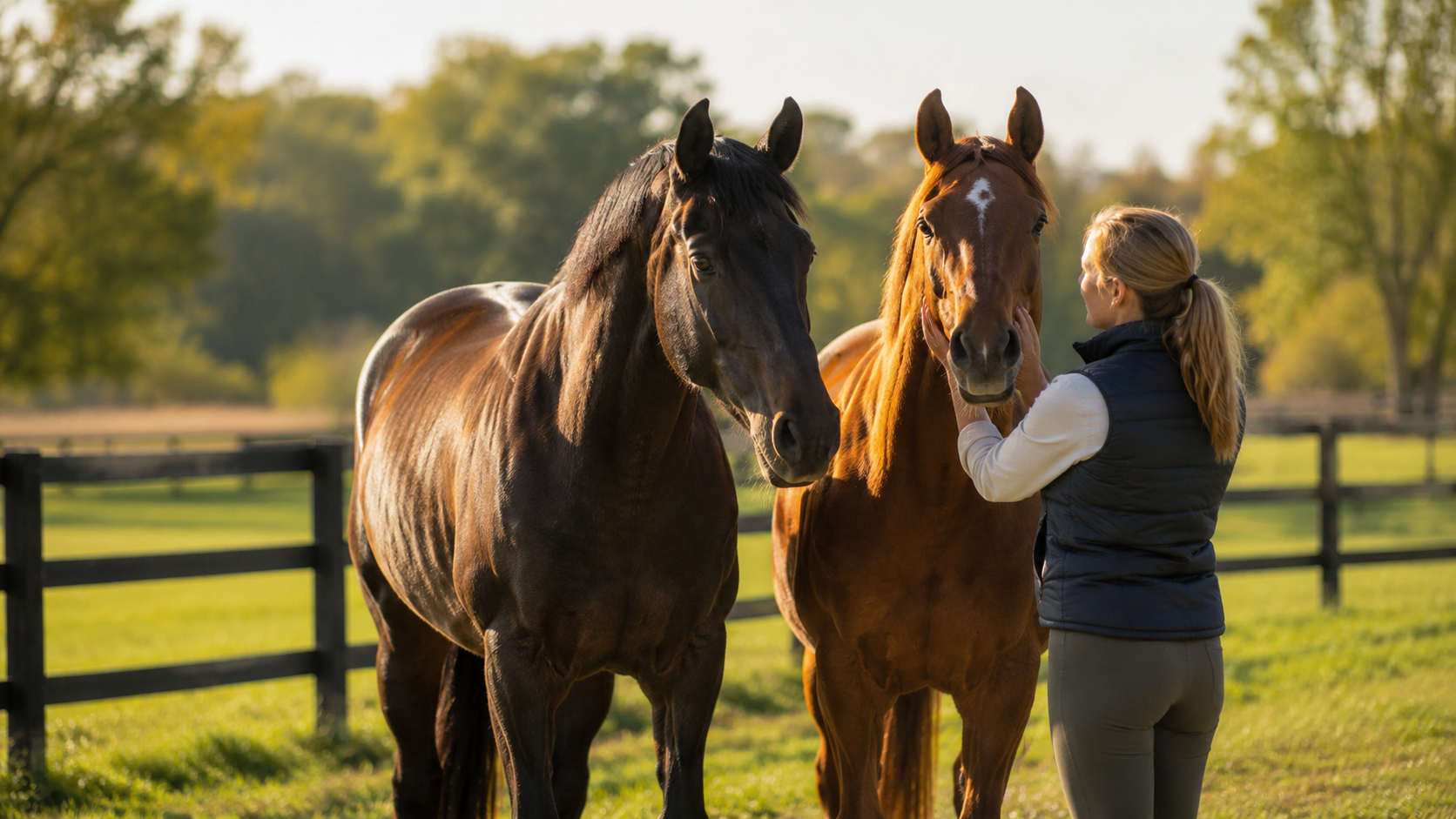
The breed at a glance
The Sindhi Horse is renowned for its calm, intelligent, and courageous temperament. It is docile and easy to train, while being energetic and willing to work. Its loyalty and resilience make it an excellent companion.
- Category
- hardy breed
- Origin
- Pakistan · Antiquity / Middle Ages
- Height at withers
- 142–152 cm
- Weight
- 350–450 kg
- Lifespan
- 20-25 years
- Common coats
- bay, chestnut, grey, black
- Disciplines
- endurance riding, equestrian trail riding, working equitation
- Other names
- Sindhi Horse
Origin and history
The Sindhi Horse is an ancient breed originating from the Sindh province in Pakistan. It resulted from crosses between local horses and Arabian or Persian horses introduced over the centuries. Traditionally used by local tribes for transport, agriculture, and warfare, it is recognized for its robustness and endurance. The breed has been officially recognized, and conservation efforts are underway in Pakistan.

Conformation and physique
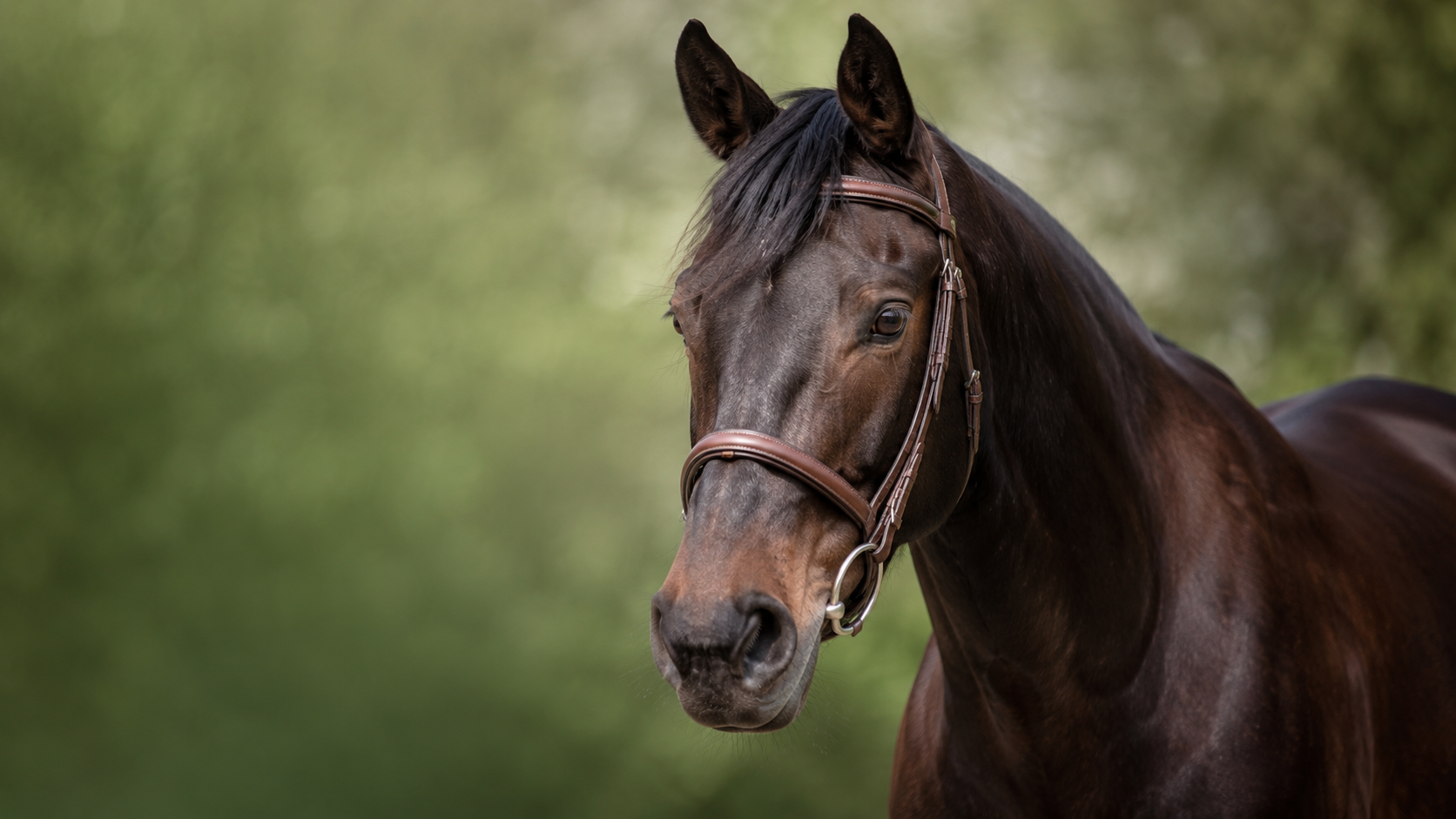
It is a medium-sized horse, compact and well-muscled, with solid bone structure. It has a harmonious silhouette, typical of desert horses, combining strength and agility.
The head is medium-sized, well-proportioned, with a straight or slightly concave profile. The eyes are large and expressive, the nostrils wide, and the ears medium-sized, well-set.
The neck is of medium length, well-set, muscular, and arched, blending harmoniously into well-defined withers.
The back is short and strong, the topline is solid. The chest is deep and wide, and the croup is muscular and slightly sloped.
The limbs are clean, strong, and well-muscled, with clean joints and well-defined tendons. The hooves are hard and resilient. Feathers are generally sparse.
- Common coats: bay, chestnut, grey, black
Temperament and aptitudes
The Sindhi Horse is renowned for its calm, intelligent, and courageous temperament. It is docile and easy to train, while being energetic and willing to work. Its loyalty and resilience make it an excellent companion.
The gaits are supple, energetic, and regular, with good amplitude. The walk is active, the trot is free, and the canter is balanced and enduring.
- Uses: transport, light agriculture, recreational riding, trail riding, traditional races, cattle work
- Disciplines: endurance riding, equestrian trail riding, working equitation
Feeding the Sindhi Horse
The Sindhi Horse is a hardy and economical breed, adapted to arid environments. It has an efficient metabolism and is capable of utilizing medium-quality forage. Its concentrate requirements are low, except during intense work. A diet based on good quality hay and access to grass is generally sufficient.
As a hardy breed, the Sindhi Horse can be prone to obesity if overfed with diets too rich in sugars and starch, which could increase the risk of laminitis or Equine Metabolic Syndrome (EMS). It is important to monitor its weight and adapt its diet to its activity level.
With Equio, every feed, supplement or treat is read against the horse's real profile (age, weight, Body Condition Score, conditions) — useful for a Sindhi Horse as soon as a metabolic or digestive sensitivity is known.
Health and points to watch
Particular attention must be paid to hoof care, as they are naturally hard but require regular trimming. Weight monitoring is essential to prevent metabolic risks. Good parasite management is also important.
- More frequent conditions: hoof conditions related to challenging terrain (if not properly maintained), parasitism (if not managed)
Care and grooming
The Sindhi Horse's hooves are naturally resilient and require regular trimming to maintain their shape and integrity. The mane and tail are generally thick and can be brushed regularly. The coat is easy to maintain and does not require specific care beyond usual brushing. Clipping is rarely necessary.
Did you know?
- The Sindhi Horse is sometimes called the "desert horse" due to its origin and adaptation to hot and dry climates.
- It is renowned for its ability to cover long distances with little water and food.
- The breed is an important cultural symbol in the Sindh province of Pakistan.
The Sindhi Horse and how to track it
The Sindhi Horse is a very rare breed in France and Europe. There is no significant breeding or established population on French territory. Its presence is anecdotal, limited to a few imported individuals.
Equio lets you build a complete profile for a Sindhi Horse: identity, weight, Body Condition Score, feeding, conditions, care reminders (vaccines, worming, trimming) and an exportable health log. The breed sets the identity; everyday decisions still depend on the real horse and your vet's advice.
- Record the activity level: rest, leisure, sport or breeding
- Add known conditions or sensitivities
- Scan feeds, plants and care products
- Keep reminders (vaccines, worming, trimming)
- Prepare a PDF export before a vet appointment
Frequently asked questions
Is the Sindhi Horse adapted to cold climates?
Although originating from warm climates, the Sindhi Horse is a hardy breed that can adapt to colder climates with adequate protection (shelter, blanket if necessary) and an appropriate diet. Its winter coat can be dense.
Is it a good horse for beginners?
Thanks to its calm and docile temperament, the Sindhi Horse can be a good choice for beginner or intermediate riders, provided there is appropriate supervision. Its sensitivity and intelligence make it a pleasant partner.
Where can one buy a Sindhi Horse in France?
It is extremely difficult to find a Sindhi Horse for purchase in France. The breed is primarily raised in Pakistan. Acquisition would require importation, with all the administrative and sanitary procedures that entails.
What is special about its gaits?
The Sindhi Horse is known for its supple and comfortable gaits, particularly an active walk and a free-moving trot. Some individuals may exhibit a natural ambling gait, which is highly valued for long distances.
Is the Sindhi Horse endangered?
Yes, the Sindhi Horse is considered a rare breed and is subject to conservation efforts in Pakistan to preserve its genetic heritage and increase its population.