
Horse breed
Ethiopian Horse
The Ethiopian Horse is an indigenous breed from Ethiopia, likely descended from horses imported from Arabia and Egypt centuries ago, crossed with local equine populations. It has been shaped by harsh environmental conditions and the needs of local populations for transport, agriculture, and warfare.
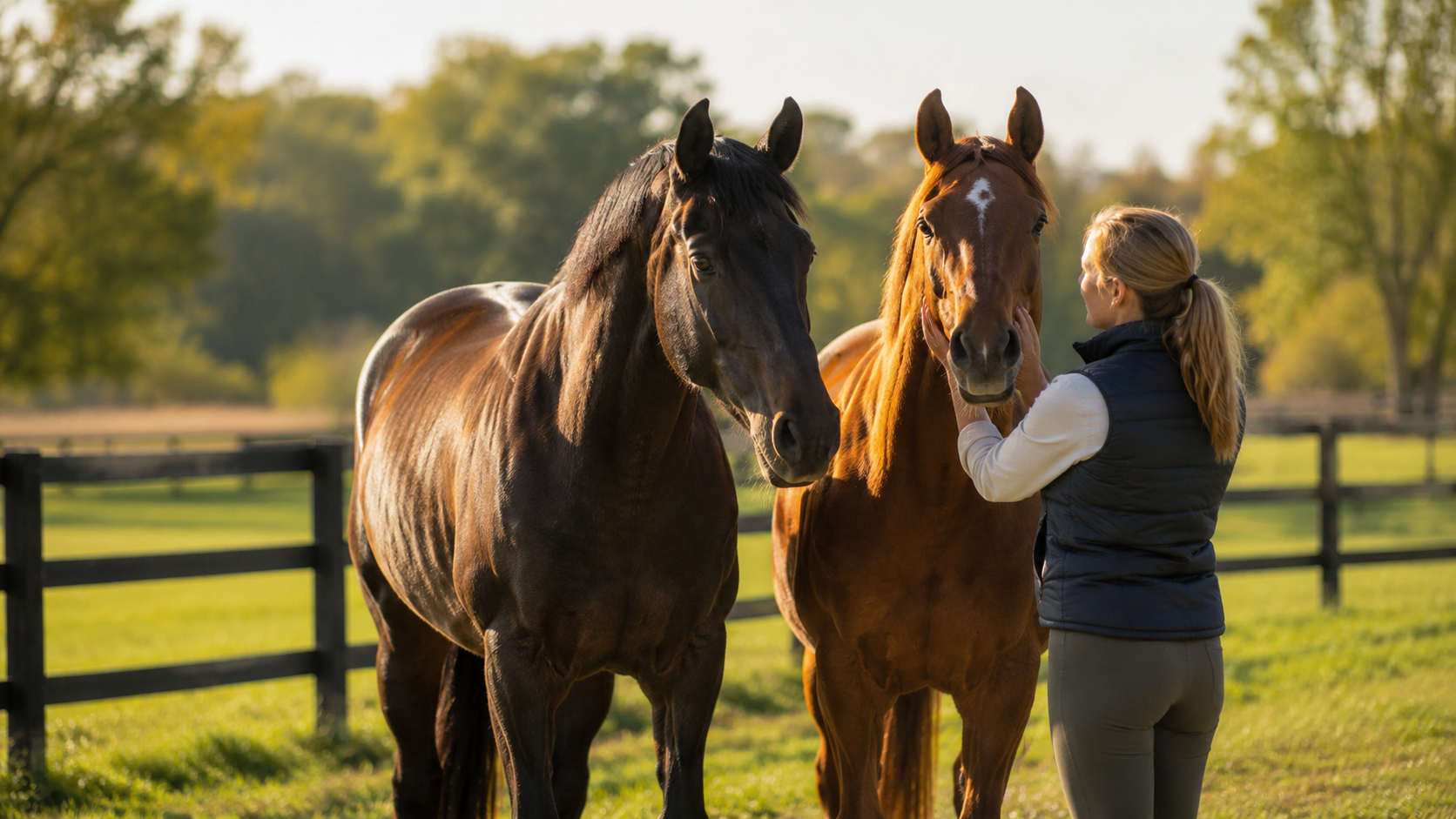
The breed at a glance
The Ethiopian Horse is known for its calm, docile, and courageous temperament. It is very resilient, frugal, and possesses great endurance, making it an excellent working and pack horse, reliable and easy to handle.
- Category
- hardy breed
- Origin
- Ethiopia · Antiquity / Middle Ages
- Height at withers
- 120–145 cm
- Weight
- 250–350 kg
- Lifespan
- 20-25 years
- Common coats
- bay, chestnut, black, grey, dun
- Disciplines
- equestrian trail riding, endurance (at a local level), working equitation
- Other names
- Ethiopian Horse, Abyssinian Horse
Origin and history
The Ethiopian Horse is an indigenous breed from Ethiopia, likely descended from horses imported from Arabia and Egypt centuries ago, crossed with local equine populations. It has been shaped by harsh environmental conditions and the needs of local populations for transport, agriculture, and warfare. Although there is no international studbook or official recognition by major global equestrian federations, it is locally recognized as a distinct breed essential to Ethiopian culture.

Conformation and physique
It is a small, compact, and robust horse, with a strong bone structure and lean musculature. It presents a typical silhouette of mountain horses and hardy breeds, adapted for endurance and frugality.
Medium-sized head, often with a straight or slightly convex profile, large expressive eyes, and medium-sized, well-set ears.
Short to medium neck, well-set, often muscular, ending in a low but well-sloped wither.
Short, strong back, straight and solid topline. Deep and well-developed chest. Croup often sloping and muscular, with a low-set tail.
Short, clean, and very strong limbs, with well-defined joints and robust tendons. The hooves are hard and well-formed, adapted to rough terrain. Feathers are generally absent or very sparse.
- Common coats: bay, chestnut, black, grey, dun
Temperament and aptitudes
The Ethiopian Horse is known for its calm, docile, and courageous temperament. It is very resilient, frugal, and possesses great endurance, making it an excellent working and pack horse, reliable and easy to handle.
The gaits are generally energetic, sure-footed, and enduring, with an active walk and a steady trot. They are renowned for their agility on difficult terrain and their ability to maintain a sustained pace over long distances.
- Uses: transport of people and goods (pack and light harness), agricultural work (light plowing, traction), mount for daily travel, herding livestock, traditional local races
- Disciplines: equestrian trail riding, endurance (at a local level), working equitation
Feeding the Ethiopian Horse
The Ethiopian Horse is a very thrifty breed, accustomed to sparse diets and harsh living conditions. Its metabolism is adapted to efficiently utilize coarse forages and low-quality pastures. It tends to gain weight if the diet is too rich. Concentrate requirements are minimal, if any, except in cases of intense work or gestation/lactation, where targeted supplementation may be necessary.
As a hardy and thrifty breed, the Ethiopian Horse can be predisposed to Equine Metabolic Syndrome (EMS) and laminitis if overfed with diets rich in sugars and starch, or if kept on overly rich pastures without control. Careful monitoring of its weight and body condition is essential.
With Equio, every feed, supplement or treat is read against the horse's real profile (age, weight, Body Condition Score, conditions) — useful for a Ethiopian Horse as soon as a metabolic or digestive sensitivity is known.
Health and points to watch
Particular attention should be paid to parasite management, hoof condition, and dental health. Due to their frugality, it is important to monitor their weight to prevent obesity and associated risks like laminitis, especially if they are raised in environments richer than their native habitat.
- More frequent conditions: gastrointestinal parasitism (due to often rudimentary husbandry conditions), dental problems related to age and tooth wear from abrasive forages, minor locomotor ailments due to difficult terrain
Care and grooming
The hooves, naturally hard, require regular trimming but can often do without shoeing on non-abrasive terrain. The mane and tail are generally left natural. The coat is hardy and requires no special care; clipping is rarely necessary. Good general hygiene and regular brushing are sufficient.
Did you know?
- The Ethiopian Horse is a central element of rural life in Ethiopia, where it is often the primary means of transport and livelihood for many families.
- Despite its small size, it is capable of carrying surprisingly heavy loads over long distances and steep terrain.
- There are several regional types within the Ethiopian equine population, which are sometimes considered sub-breeds or ecotypes of the general Ethiopian Horse.
The Ethiopian Horse and how to track it
The Ethiopian Horse is a very rare breed outside its country of origin. There is no significant population or organized breeding of this breed in France. Its presence is anecdotal, limited to a few individuals imported on an exceptional basis.
Equio lets you build a complete profile for a Ethiopian Horse: identity, weight, Body Condition Score, feeding, conditions, care reminders (vaccines, worming, trimming) and an exportable health log. The breed sets the identity; everyday decisions still depend on the real horse and your vet's advice.
- Record the activity level: rest, leisure, sport or breeding
- Add known conditions or sensitivities
- Scan feeds, plants and care products
- Keep reminders (vaccines, worming, trimming)
- Prepare a PDF export before a vet appointment
Frequently asked questions
Is the Ethiopian Horse suitable for leisure riding in Europe?
Yes, its calm temperament and robustness make it potentially suitable for leisure riding, especially trekking. However, its small size may limit its use for some riders, and its adaptation to a climate and diet different from its origin must be managed carefully.
Is it possible to buy an Ethiopian Horse in France?
It is extremely difficult to acquire an Ethiopian Horse in France. The breed is not bred in Europe, and imports are rare and complex, requiring significant sanitary and administrative procedures. There is no established commercial circuit for this breed outside Ethiopia.
What are the main qualities of the Ethiopian Horse?
Its main qualities are its robustness, endurance, frugality, sure-footedness on difficult terrain, and docile temperament. It is a versatile horse for work and transport in demanding conditions.
Is the Ethiopian Horse an endangered breed?
Although it is widespread in Ethiopia, there is no conservation program or international studbook for the breed. The modernization of transport could eventually reduce its role and population, but for now, it remains essential to the Ethiopian rural economy.
How to care for an Ethiopian Horse outside its natural environment?
It is crucial to provide it with a diet adapted to its efficient metabolism, prioritizing medium-quality forages and limiting concentrates. Particular attention to weight management, hoof care, and parasite prevention is essential to maintain its health and well-being.