
Horse breed
Namib Desert Horse
The exact origin of the Namib Desert Horse is uncertain, but the most accepted theory is that they are descended from German cavalry horses and farm horses that were released or escaped during World War I. They survived and adapted to the extreme conditions of the Namib Desert, developing unique resilience.
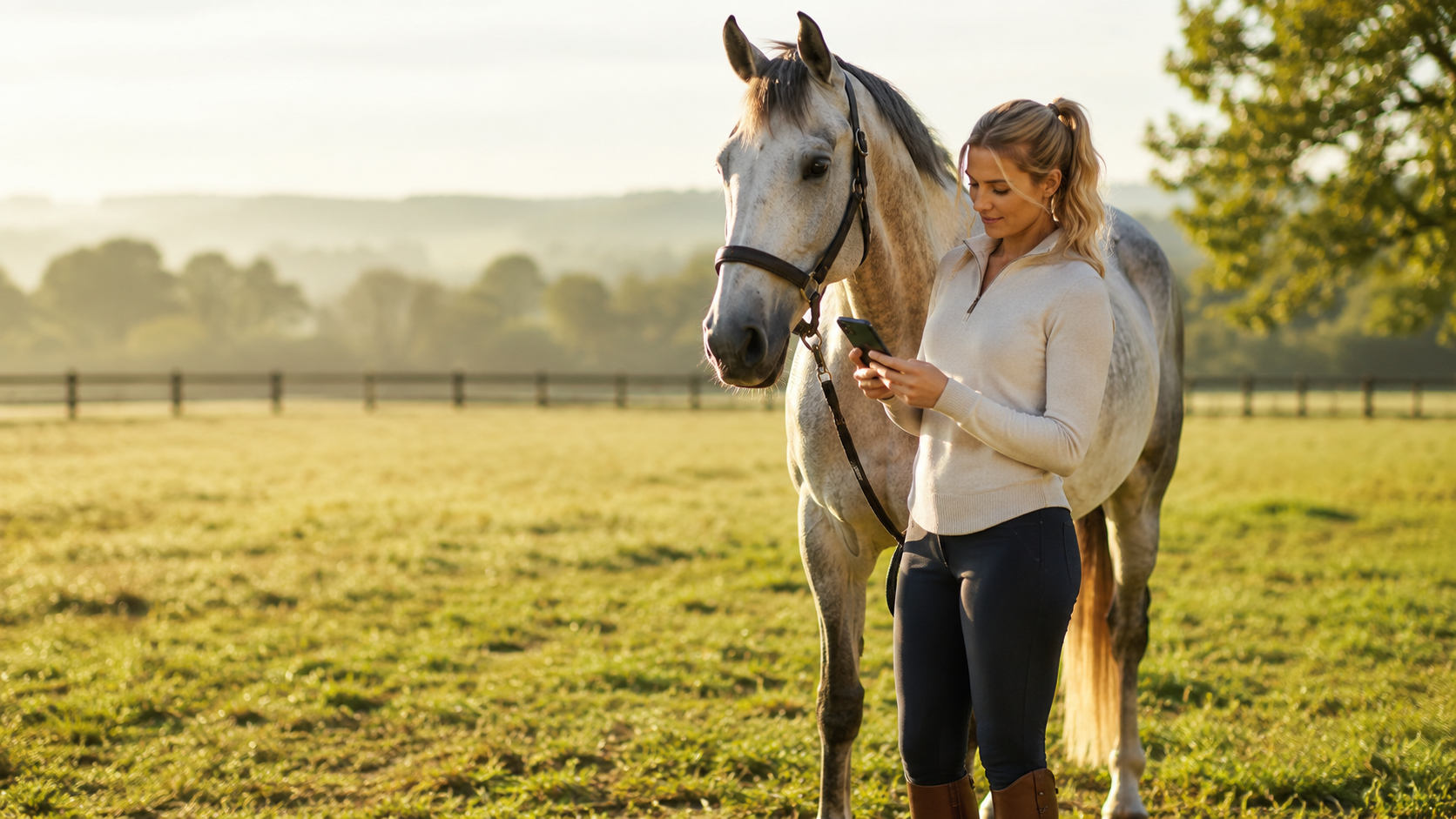
The breed at a glance
The Namib Desert Horse is known for its hardy, resilient, and independent temperament. It is intelligent, courageous, and possesses a strong survival instinct. Although wild, it can be trained and then proves willing and reliable.
- Category
- hardy breed
- Origin
- Namibia · Late 19th - early 20th century
- Height at withers
- 140–160 cm
- Weight
- 300–400 kg
- Lifespan
- 20-25 years
- Common coats
- bay, chestnut, black, grey
- Disciplines
- Endurance riding, recreational riding
- Other names
- Namib Desert Horse, Namib Wild Horse
Origin and history
The exact origin of the Namib Desert Horse is uncertain, but the most accepted theory is that they are descended from German cavalry horses and farm horses that were released or escaped during World War I. They survived and adapted to the extreme conditions of the Namib Desert, developing unique resilience. The breed is officially recognized and protected in Namibia, particularly in the Namib-Naukluft National Park.

Conformation and physique
A medium-sized horse, compact and muscular, with strong bone structure. It has a harmonious silhouette, adapted for survival in an arid and challenging environment.
Well-proportioned head, often with a straight or slightly convex profile. The eyes are expressive and the ears are medium-sized, well-set.
Medium-length neck, well-set, muscular and strong, blending harmoniously into a well-defined wither.
Short, strong back, solid topline. Deep and wide chest, providing good lung capacity. Muscular and slightly sloping croup.
Clean, strong, and well-muscled limbs, with robust joints and well-defined tendons. The hooves are hard and resilient, adapted to rocky terrain. No excessive feathering.
- Common coats: bay, chestnut, black, grey
Temperament and aptitudes
The Namib Desert Horse is known for its hardy, resilient, and independent temperament. It is intelligent, courageous, and possesses a strong survival instinct. Although wild, it can be trained and then proves willing and reliable.
The gaits are free, energetic, and enduring, with a sure-footed step and good ground cover, essential for traveling long distances in the desert.
- Uses: Historically: survival in a hostile environment, Currently: equestrian tourism (safaris), scientific research, wildlife preservation
- Disciplines: Endurance riding, recreational riding
Feeding the Namib Desert Horse
The Namib Desert Horse is an extremely efficient metabolizer, adapted to scarce and low-quality food resources. It can survive on very little forage and water. Its diet consists mainly of dry grasses and desert shrubs. It has a great capacity to extract nutrients from poor forages and generally does not require concentrates, except in cases of intense work or extreme conditions.
Due to its adaptation to a poor environment, the Namib Desert Horse is very sensitive to an overly rich diet. Overfeeding, particularly with concentrates or lush pastures, can quickly lead to metabolic problems such as obesity, Equine Metabolic Syndrome (EMS), and laminitis. It has no documented predisposition to diseases like PSSM.
With Equio, every feed, supplement or treat is read against the horse's real profile (age, weight, Body Condition Score, conditions) — useful for a Namib Desert Horse as soon as a metabolic or digestive sensitivity is known.

Health and points to watch
Careful monitoring of body condition is crucial to prevent obesity in captivity. It is important to maintain a diet close to its natural regimen and to ensure water quality. Regular dental check-ups are recommended.
- More frequent conditions: Dental problems (irregular wear due to abrasive diet), Parasitism (in the wild)
Care and grooming
The hooves are naturally very hard and resilient, requiring minimal or no trimming if maintained on abrasive terrain. The mane and tail are often thick but do not require special care. The coat is short and dense, adapted to desert temperature variations, and does not require intensive grooming. The skin is robust.
Did you know?
- These horses can travel up to 70 km to find water, then return to their grazing area.
- They are the only wild horses in Southern Africa and one of the few wild horse populations in the world.
- Their survival in the desert is a remarkable example of evolutionary adaptation to an extreme environment.
The Namib Desert Horse and how to track it
The breed is almost non-existent in France, its breeding being mainly concentrated in Namibia where it is a protected species and a national symbol.
Equio lets you build a complete profile for a Namib Desert Horse: identity, weight, Body Condition Score, feeding, conditions, care reminders (vaccines, worming, trimming) and an exportable health log. The breed sets the identity; everyday decisions still depend on the real horse and your vet's advice.
- Record the activity level: rest, leisure, sport or breeding
- Add known conditions or sensitivities
- Scan feeds, plants and care products
- Keep reminders (vaccines, worming, trimming)
- Prepare a PDF export before a vet appointment
Frequently asked questions
What is the origin of the Namib Desert Horse?
The most probable origin is that they are descended from cavalry and farm horses released or escaped in Namibia in the early 20th century, which then adapted to the extreme desert conditions.
Can a Namib Desert Horse be ridden?
Yes, although they are wild, some individuals can be captured and trained. They are then known for their endurance, hardiness, and sure-footedness, making them suitable for trail riding.
What is special about their diet?
They are extremely efficient and adapted to a diet poor in nutrients and water. In captivity, it is crucial not to overfeed them to avoid metabolic problems.
Are they threatened with extinction?
Yes, the population is relatively small and protected. It is vulnerable to extreme droughts and interactions with wildlife, such as hyenas.
Where can Namib Desert Horses be seen?
They are found mainly in the Namib-Naukluft National Park in Namibia, particularly near Garub, where an artificial waterhole allows them to survive.