
Horse breed
Danube Delta Horse
The Danube Delta Horse is a semi-feral breed that has evolved naturally within the unique ecosystem of the Danube Delta in Romania. Likely descended from domestic horses that escaped or were abandoned centuries ago, they have adapted to their marshy environment.

The breed at a glance
The Danube Delta Horse is renowned for its hardy, resilient, and independent temperament. Although semi-feral, it can be tamed and, when so, proves courageous, enduring, and intelligent, with a great capacity for adaptation.
- Category
- hardy breed
- Origin
- Romania · Antiquity / Middle Ages (recent establishment)
- Height at withers
- 130–145 cm
- Weight
- 300–400 kg
- Lifespan
- 20-25 years
- Common coats
- bay, chestnut, black, grey
- Disciplines
- equestrian trail riding, outdoor riding
- Other names
- Danube Delta Horse, Calul Deltei Dunării
Origin and history
The Danube Delta Horse is a semi-feral breed that has evolved naturally within the unique ecosystem of the Danube Delta in Romania. Likely descended from domestic horses that escaped or were abandoned centuries ago, they have adapted to their marshy environment. The breed has not undergone intentional foundational crossbreeding but rather natural selection. Its official recognition as a distinct breed is relatively recent, highlighting its unique status as a wild equine population.
Conformation and physique
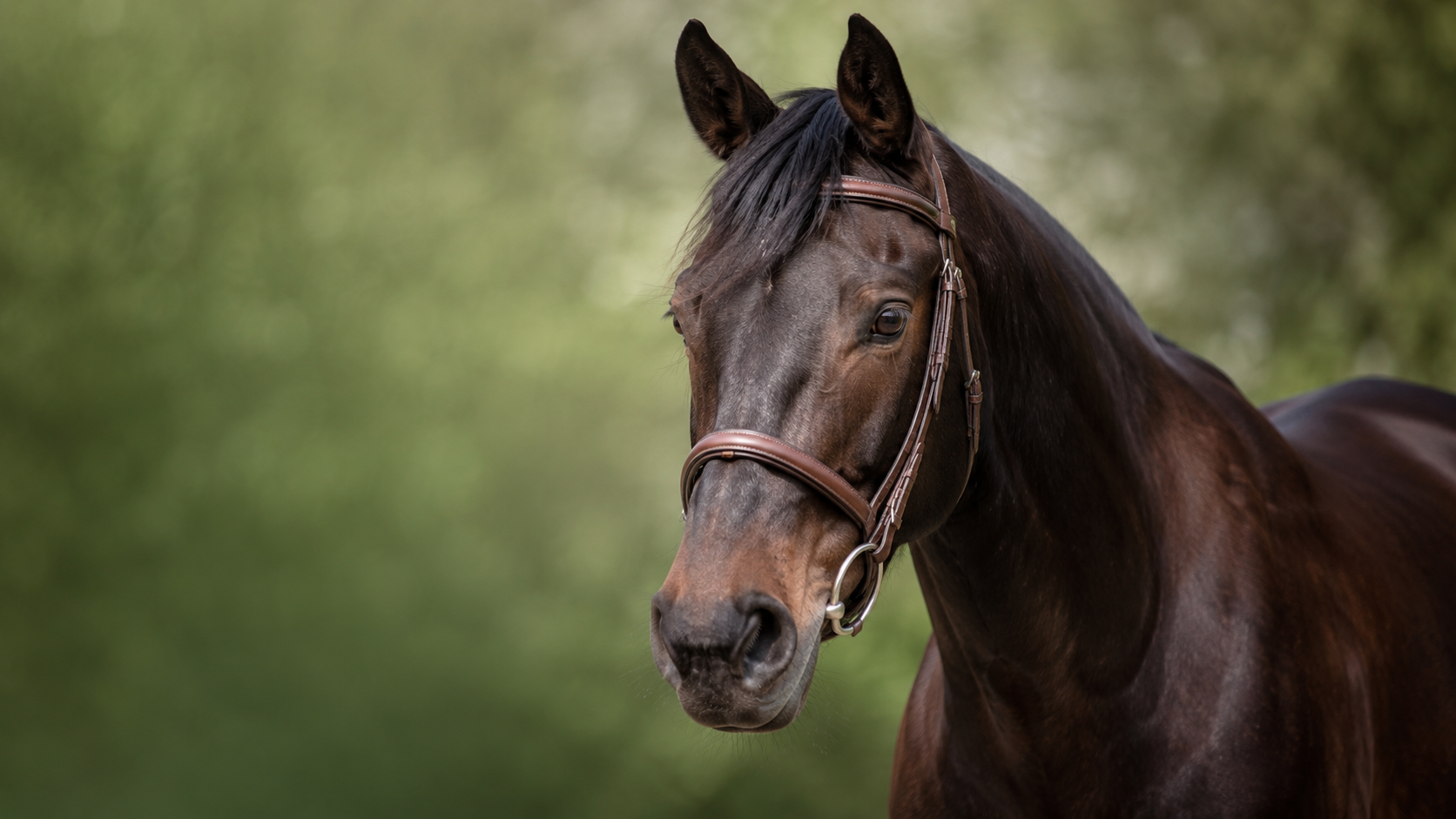
It is a small-sized horse, compact and robust, with strong bone structure and well-developed musculature, adapted to life in a challenging environment. Its build is that of a hardy horse, conveying an impression of strength and endurance.
The head is medium-sized, often with a straight or slightly convex profile. The eyes are expressive, and the ears are medium-sized and well-set.
The neck is short, thick, and muscular, well-set into the body. The Withers are not very pronounced, blending harmoniously into the topline.
The back is short and strong, the topline is straight and solid. The chest is broad and deep, providing good respiratory capacity. The croup is muscular and slightly sloped.
The limbs are short, strong, and well-muscled, with robust joints and well-defined tendons. The hooves are hard and resilient, adapted to wet terrains. Feathering is generally sparse.
- Common coats: bay, chestnut, black, grey
Temperament and aptitudes
The Danube Delta Horse is renowned for its hardy, resilient, and independent temperament. Although semi-feral, it can be tamed and, when so, proves courageous, enduring, and intelligent, with a great capacity for adaptation.
The gaits are free, energetic, and sure-footed, with good amplitude despite the compact build. They are particularly well-suited for traversing varied and sometimes difficult terrain.
- Uses: Historically and currently: survival in the wild, ecosystem maintenance, Potentially: equestrian tourism, light work, pleasure horse
- Disciplines: equestrian trail riding, outdoor riding
Feeding the Danube Delta Horse
This horse is a very efficient metabolizer, accustomed to fluctuating and low-nutritional-quality food resources. It thrives on coarse forages and has a great ability to utilize poor pastures. It is not demanding of concentrates, which are only necessary in cases of intense work or very harsh winter conditions. It has a natural tendency to gain weight if the diet is too rich.
Due to its efficient metabolism and adaptation to poor diets, the Danube Delta Horse may be predisposed to Equine Metabolic Syndrome (EMS) and laminitis if fed diets too rich in sugars and starch, or if it has unlimited access to very rich pastures. Careful dietary management is crucial to prevent these issues.
With Equio, every feed, supplement or treat is read against the horse's real profile (age, weight, Body Condition Score, conditions) — useful for a Danube Delta Horse as soon as a metabolic or digestive sensitivity is known.

Health and points to watch
Regular weight monitoring is essential to prevent obesity. Vigilance for signs of laminitis is also important, especially during dietary changes or access to rich pastures. An appropriate deworming program is important for domesticated horses.
- More frequent conditions: Gastrointestinal parasitism (in the wild), Dental problems related to irregular wear (in the wild), Laminitis (if diet is too rich)
Care and grooming
The hooves are naturally hard and resilient, requiring minimal trimming if the horse lives on varied terrain. The mane and tail are often thick and may require regular detangling. The dense coat provides good protection against the elements and generally does not require clipping, except for comfort or intense work. Skin care is typical for a hardy horse, with particular attention to wet areas.
Did you know?
- These horses are Europe's last wild horses, living freely in the Danube Delta, a UNESCO World Heritage site.
- They play an important ecological role by grazing on vegetation, thereby helping to maintain the balance of the delta's ecosystem.
- Their population has faced threats, including eradication attempts, but conservation efforts are now in place to protect this unique breed.
The Danube Delta Horse and how to track it
The breed is very rare in France, or even non-existent as a structured breeding population. The few individuals present would likely be imported for specific projects or by enthusiasts of rare breeds.
Equio lets you build a complete profile for a Danube Delta Horse: identity, weight, Body Condition Score, feeding, conditions, care reminders (vaccines, worming, trimming) and an exportable health log. The breed sets the identity; everyday decisions still depend on the real horse and your vet's advice.
- Record the activity level: rest, leisure, sport or breeding
- Add known conditions or sensitivities
- Scan feeds, plants and care products
- Keep reminders (vaccines, worming, trimming)
- Prepare a PDF export before a vet appointment
Frequently asked questions
Is the Danube Delta Horse truly wild?
Yes, the main population lives freely in the Danube Delta, without direct human intervention. They are considered semi-feral horses, having developed survival instincts and great independence.
Can one adopt or buy a Danube Delta Horse?
Adoption or purchase is possible, but rare. These horses are protected, and their capture is regulated. Domesticated individuals often come from conservation programs or horses born in captivity, and require patient training.
What is the temperament of a domesticated Danube Delta Horse?
Once domesticated, it is generally intelligent, courageous, enduring, and loyal. Its hardy nature makes it resilient and undemanding, but it retains a certain independence and requires an experienced and respectful rider.
What are the specific needs of this breed in captivity?
In captivity, it needs plenty of space, a controlled diet to prevent obesity and laminitis, and regular physical activity. Its adaptation to difficult conditions makes it robust, but care must be taken not to overfeed it.
Is the Danube Delta Horse suitable for children or beginners?
Due to its hardy temperament and semi-feral past, it is generally more suitable for experienced riders. Its strength and independence can be a challenge for beginners or young children, although each individual is unique.