
Horse breed
Zakynthos Horse
The Zakynthos Horse is an indigenous breed from the Greek island of Zakynthos, likely descending from local horses and crosses with imported breeds over centuries. It has traditionally been used for agriculture, transport, and riding by the island's inhabitants.
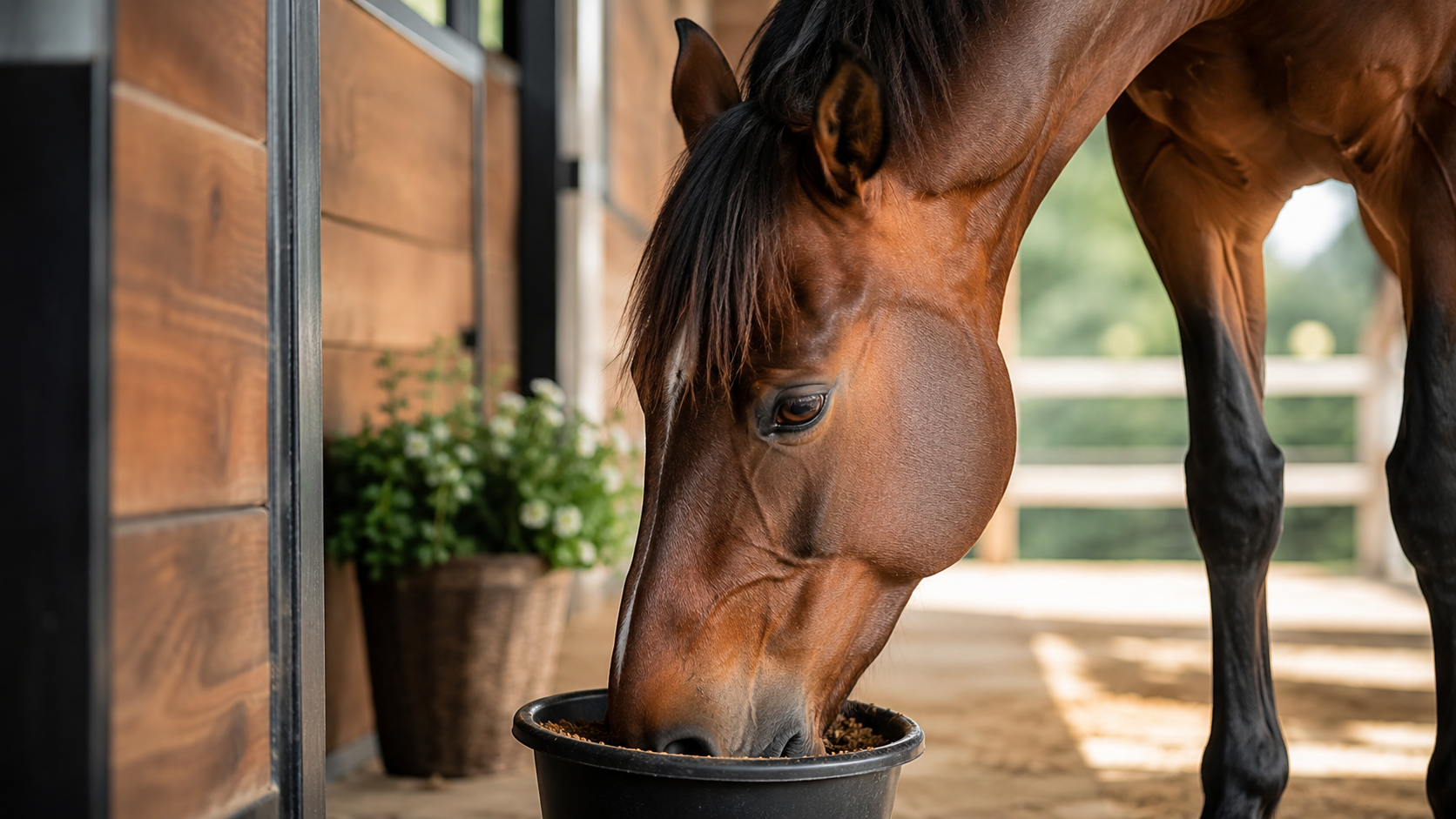
The breed at a glance
The Zakynthos Horse is renowned for its calm, docile, and courageous temperament. It is intelligent, willing, and very hardy, making it a reliable and versatile companion, easy to handle and train.
- Category
- hardy breed
- Origin
- Greece · Antiquity / Middle Ages (more recent establishment)
- Height at withers
- 125–135 cm
- Weight
- 250–350 kg
- Lifespan
- 25-30 years
- Common coats
- bay, chestnut, black, grey
- Disciplines
- trail riding, working equitation, light driving
- Other names
- Zakynthos Horse, Poney de Zakynthos
Origin and history
The Zakynthos Horse is an indigenous breed from the Greek island of Zakynthos, likely descending from local horses and crosses with imported breeds over centuries. It has traditionally been used for agriculture, transport, and riding by the island's inhabitants. The breed is now very rare and is the subject of conservation efforts to preserve its unique genetic heritage. Its official recognition as a distinct breed is relatively recent and aims at its protection.
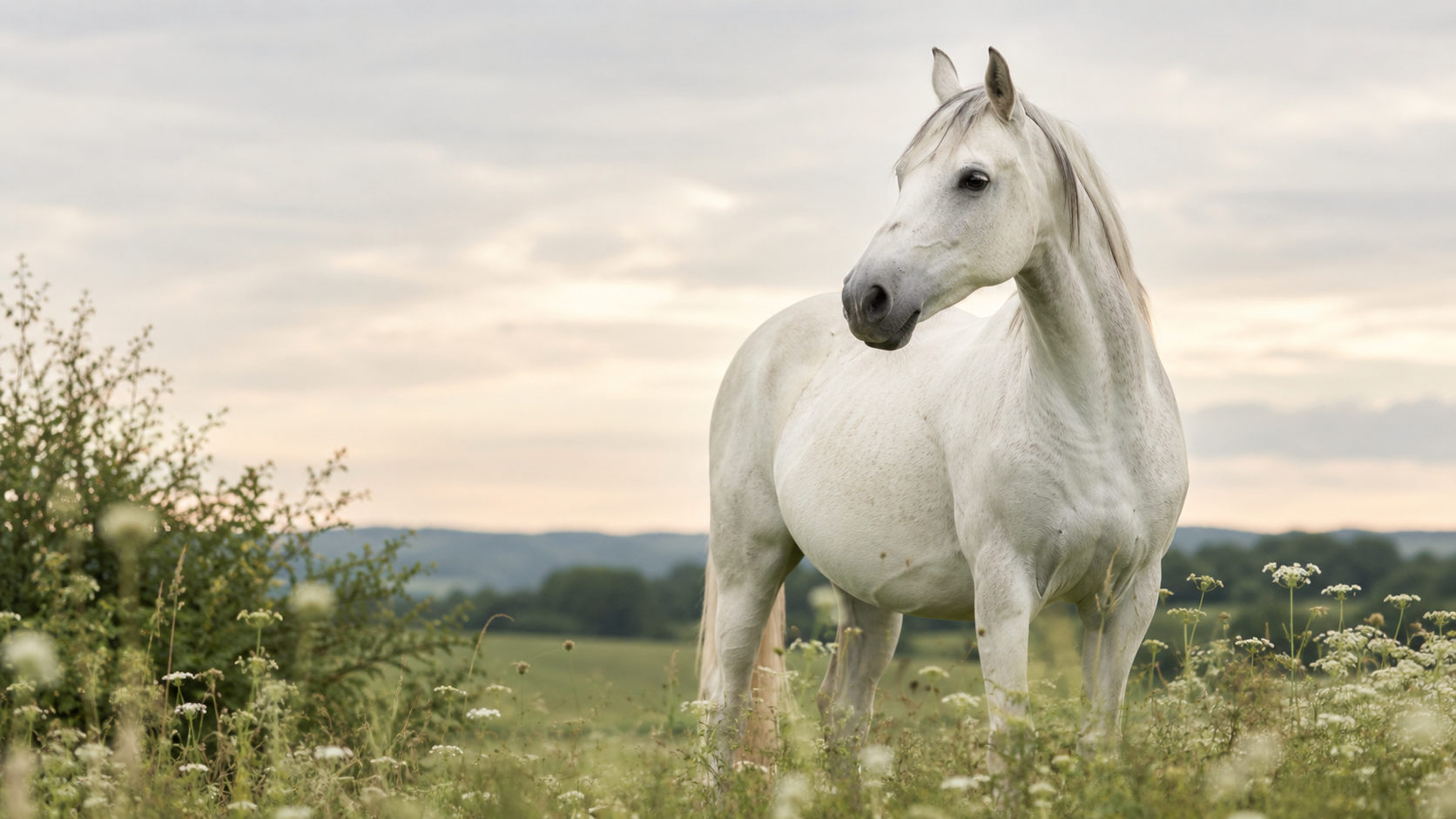
Conformation and physique
It is a small horse or large pony of compact and robust build, with strong bone. It exhibits a typical silhouette of rustic Mediterranean breeds, adapted to difficult terrain.
The head is medium-sized, with a straight or slightly convex profile. The eyes are expressive, and the ears are medium-sized and well-set.
The neck is rather short and muscular, well-set into the shoulders. The withers are not very pronounced, flowing smoothly into the topline.
The back is short and strong, the topline is straight and solid. The chest is deep and broad, and the croup is rounded and muscular, often slightly sloping.
The limbs are short, clean, and very strong, with well-defined joints and robust tendons. The hooves are hard and well-formed, adapted to stony terrain. Feathering is generally sparse.
- Common coats: bay, chestnut, black, grey
Temperament and aptitudes
The Zakynthos Horse is renowned for its calm, docile, and courageous temperament. It is intelligent, willing, and very hardy, making it a reliable and versatile companion, easy to handle and train.
The gaits are free, sure-footed, and energetic, with good impulsion. They are particularly well-suited to rugged terrain and long distances, demonstrating its agility and robustness.
- Uses: light agriculture (draft), pack animal / carrying loads, recreational riding, equestrian trail riding, conservation breeding
- Disciplines: trail riding, working equitation, light driving
Feeding the Zakynthos Horse
The Zakynthos Horse is a hardy and economical breed, accustomed to limited resources. It has an efficient metabolism and can thrive on medium-quality forage. It is important to monitor its weight as it can be prone to obesity if its diet is too rich. A diet based on good quality hay and pasture access is generally sufficient. Concentrates are only necessary in cases of intense work or specific needs (gestation, lactation).
As a hardy breed potentially prone to obesity, the Zakynthos Horse could be predisposed to Equine Metabolic Syndrome (EMS) and laminitis if its diet is too rich in sugars and starch, or if its regimen is not adapted to its activity level. It is crucial to manage its weight and limit non-structural carbohydrate intake.
With Equio, every feed, supplement or treat is read against the horse's real profile (age, weight, Body Condition Score, conditions) — useful for a Zakynthos Horse as soon as a metabolic or digestive sensitivity is known.

Health and points to watch
Regular weight monitoring is essential to prevent obesity and associated risks like laminitis. Attention must also be paid to hoof quality; while naturally hard, they require regular trimming. Particular attention to joints is recommended for older or heavily worked individuals.
- More frequent conditions: laminitis (in case of poor dietary management), joint problems related to age or overweight
Care and grooming
The hooves of the Zakynthos Horse are naturally strong and require regular trimming to maintain their shape and balance. The mane and tail are generally thick and can be left natural or maintained according to preference. The coat is easy to care for and does not require specific attention, apart from regular brushing. Clipping is rarely necessary, except for sport horses or in very hot weather.
Did you know?
- The Zakynthos Horse is one of Europe's most endangered equine breeds, with a very small population and ongoing conservation efforts on its island of origin.
- It is perfectly adapted to the Mediterranean climate and mountainous terrain of Zakynthos, where it has evolved over centuries.
- Despite its small size, it is renowned for its strength and endurance, capable of carrying significant loads over long distances.
The Zakynthos Horse and how to track it
The breed is extremely rare and not bred in France. Its presence is anecdotal, limited to a few imported individuals or enthusiasts of rare breeds.
Equio lets you build a complete profile for a Zakynthos Horse: identity, weight, Body Condition Score, feeding, conditions, care reminders (vaccines, worming, trimming) and an exportable health log. The breed sets the identity; everyday decisions still depend on the real horse and your vet's advice.
- Record the activity level: rest, leisure, sport or breeding
- Add known conditions or sensitivities
- Scan feeds, plants and care products
- Keep reminders (vaccines, worming, trimming)
- Prepare a PDF export before a vet appointment
Frequently asked questions
Where can one find a Zakynthos Horse for purchase?
The Zakynthos Horse is an extremely rare breed, primarily found on the Greek island of Zakynthos. Purchasing one is difficult and requires directly contacting conservation associations or the few local breeders in Greece.
Is the Zakynthos Horse suitable for children?
Yes, thanks to its calm, docile, and patient temperament, the Zakynthos Horse can be an excellent companion for children and beginner riders, provided it is well-trained.
What is the cost of keeping a Zakynthos Horse?
Being a hardy and economical breed, the cost of keeping a Zakynthos Horse is generally lower than that of larger or more delicate breeds. Its dietary needs are modest, and it is robust, which reduces common veterinary expenses.
Can one do show jumping with a Zakynthos Horse?
While versatile, the Zakynthos Horse is not specifically bred for show jumping. Its conformation and gaits are better suited for trail riding, working equitation, or light harness work. It can jump small obstacles but will not be a competition horse in this discipline.
What is the conservation status of the Zakynthos Horse?
The Zakynthos Horse is critically endangered. Conservation programs are being implemented in Greece to preserve the breed, notably through the identification of remaining individuals and the promotion of responsible breeding.