
Horse breed
Brumby
Brumbies are the descendants of domestic horses that escaped or were released by European settlers in Australia from the late 18th century onwards. These horses, often Thoroughbreds, draft horses, and ponies, adapted to the Australian wilderness.
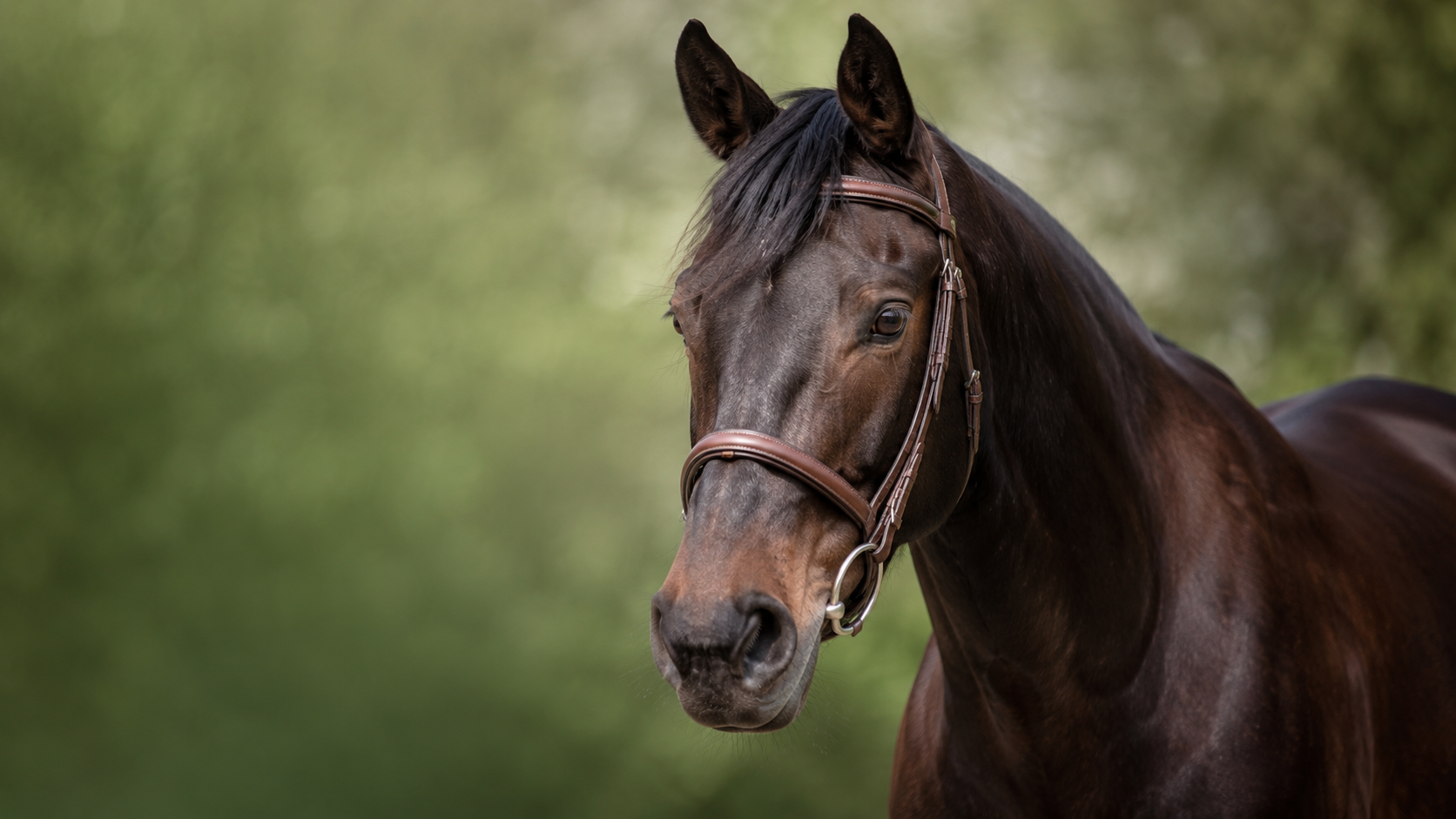
The breed at a glance
The Brumby is renowned for its rustic temperament, high intelligence, and natural wariness towards humans. Once tamed, it can prove courageous, enduring, and loyal, but requires a patient and respectful approach.
- Category
- hardy breed
- Origin
- Australia · 18th century
- Height at withers
- 135–150 cm
- Weight
- 350–450 kg
- Lifespan
- 15-25 years (in the wild, variable)
- Common coats
- bay, chestnut, black, grey, palomino, dun, roan
- Disciplines
- western riding, trail riding, endurance riding
- Other names
- Cheval sauvage australien
Origin and history
Brumbies are the descendants of domestic horses that escaped or were released by European settlers in Australia from the late 18th century onwards. These horses, often Thoroughbreds, draft horses, and ponies, adapted to the Australian wilderness. They formed feral populations that thrived across the continent's vast expanses. Although not an officially recognized breed with a studbook, the term Brumby refers to these wild Australian horses.

Conformation and physique
The Brumby exhibits a variable silhouette, generally medium to small in size, with robust bone structure and developed musculature, reflecting its adaptation to wild life. It is often compact and powerful.
The head is medium-sized, sometimes a little coarse, with a straight or slightly convex profile. The eyes are expressive and the ears are medium-sized.
The neck is generally short and muscular, well-set, blending into a wither that is often not very pronounced but solid.
The back is short and strong, the topline is straight and muscular. The chest is deep and wide, and the croup is often sloped and muscular.
The limbs are strong, with well-defined joints and clean tendons. The hooves are renowned for their hardness and resilience, adapted to difficult terrain. Feathering is generally absent or very sparse.
- Common coats: bay, chestnut, black, grey, palomino, dun, roan
Temperament and aptitudes
The Brumby is renowned for its rustic temperament, high intelligence, and natural wariness towards humans. Once tamed, it can prove courageous, enduring, and loyal, but requires a patient and respectful approach.
The gaits are free, energetic, and sure-footed, with good ground cover, essential for survival in the wild. They are renowned for their endurance.
- Uses: working horse (ranching), recreational riding, endurance riding, companion
- Disciplines: western riding, trail riding, endurance riding
Feeding the Brumby
The Brumby is a very thrifty horse, accustomed to poor and variable diets in the wild. It has an efficient metabolism and is capable of making the most of low-quality forage. It is important not to overfeed it in captivity to avoid obesity. A supply of coarse, medium-quality forage is sufficient, with concentrates only in cases of intense work or proven deficiencies.
Due to their thrifty metabolism, Brumbies can be predisposed to Equine Metabolic Syndrome (EMS) and laminitis if subjected to a diet too rich in sugars and starch, or if they are overweight. Careful monitoring of their weight and diet is crucial in captivity.
With Equio, every feed, supplement or treat is read against the horse's real profile (age, weight, Body Condition Score, conditions) — useful for a Brumby as soon as a metabolic or digestive sensitivity is known.
Health and points to watch
In captivity, particular attention must be paid to weight management and the prevention of laminitis. Regular dental care is essential, as is an appropriate deworming program. Their hooves, although robust, require regular trimming if they are not subjected to the natural wear of the wild environment.
- More frequent conditions: laminitis (in captivity with an unsuitable diet), dental problems (related to age and natural wear in the wild), parasitism (in the wild)
Care and grooming
Brumbies, even when tamed, often retain their hardiness. Their hard hooves require regular trimming but can often be left barefoot. Their manes and coats are generally thick and do not require specific care, apart from regular brushing for hygiene and bonding with the owner. Clipping is rarely necessary, except for comfort or intense work.
Did you know?
- The term "Brumby" is believed to originate from the name of a 19th-century horse breeder, James Brumby, who reportedly allowed his horses to escape.
- Brumbies are considered both a national symbol and an environmental pest in Australia, their management being a subject of debate.
- The film "The Man from Snowy River" popularized the romantic image of the wild Brumby.
The Brumby and how to track it
The Brumby breed is not bred in France. A few rare individuals may be present, imported for their uniqueness or history, but they do not constitute a breeding population.
Equio lets you build a complete profile for a Brumby: identity, weight, Body Condition Score, feeding, conditions, care reminders (vaccines, worming, trimming) and an exportable health log. The breed sets the identity; everyday decisions still depend on the real horse and your vet's advice.
- Record the activity level: rest, leisure, sport or breeding
- Add known conditions or sensitivities
- Scan feeds, plants and care products
- Keep reminders (vaccines, worming, trimming)
- Prepare a PDF export before a vet appointment
Frequently asked questions
Can a Brumby be tamed and ridden?
Yes, a Brumby can be tamed and trained, but it requires a lot of patience, time, and a gentle, respectful approach. They can become reliable and enduring saddle horses, but often retain a certain independence.
What is the difference between a Brumby and a domestic horse?
The Brumby is a feral horse, meaning a descendant of domestic horses that have returned to the wild. It has not been selectively bred by humans and has developed survival characteristics in its natural environment, such as great hardiness and an innate wariness.
Are Brumbies protected in Australia?
The status of Brumbies is complex and varies across regions of Australia. In some areas, they are considered an invasive species and are managed through population control programs, while in others, efforts are made to protect or relocate them.
What is the cost of a Brumby?
The cost of a Brumby is highly variable. Captured wild horses can be acquired for a symbolic or low price, but the real cost lies in their training and socialization, which can be lengthy and expensive. A Brumby that is already broken in and trained will have a higher price.
Are Brumbies adapted to cold climates?
Although native to Australia, Brumbies have developed great hardiness and adaptability. Those living in mountainous or colder regions of Australia have a thick coat that allows them to withstand lower temperatures, but they are not specifically adapted to harsh European winters without adequate shelter.