
Horse breed
Bale Horse
The Bale horse is an indigenous equine breed from Ethiopia, specifically from the Bale region. Its origin is ancient, and it is the result of centuries of adaptation to the harsh environmental conditions of the Ethiopian highlands.
The breed at a glance
The Bale is renowned for its calm, docile, and courageous temperament. It is very hardy and hardworking, making it an excellent companion for daily tasks. It is also intelligent and easy to handle.
- Category
- ancient/endangered breed
- Origin
- Ethiopia · Ancient (several centuries old)
- Height at withers
- 120–135 cm
- Weight
- 250–350 kg
- Lifespan
- 20-25 years
- Common coats
- bay, chestnut, black, grey
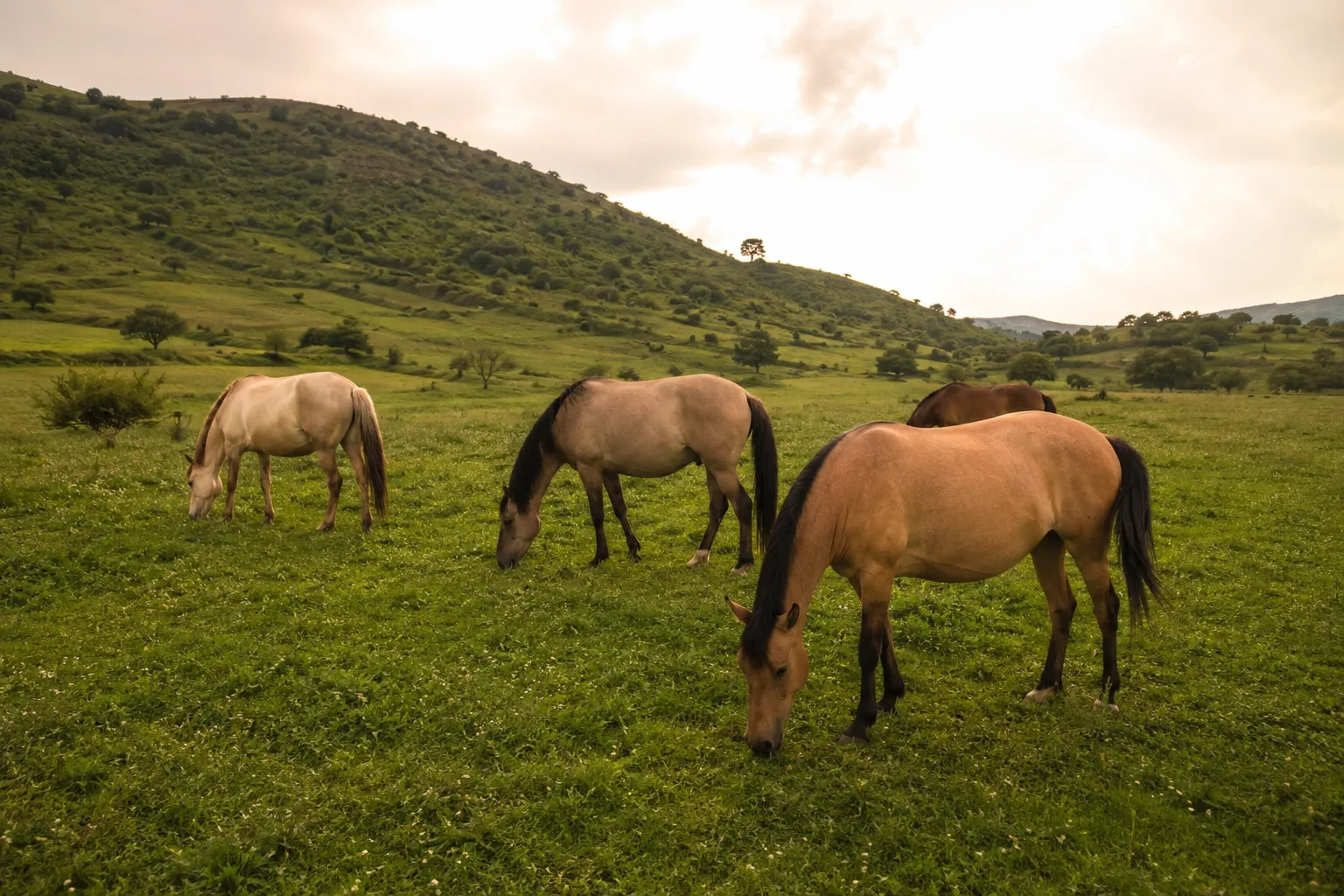
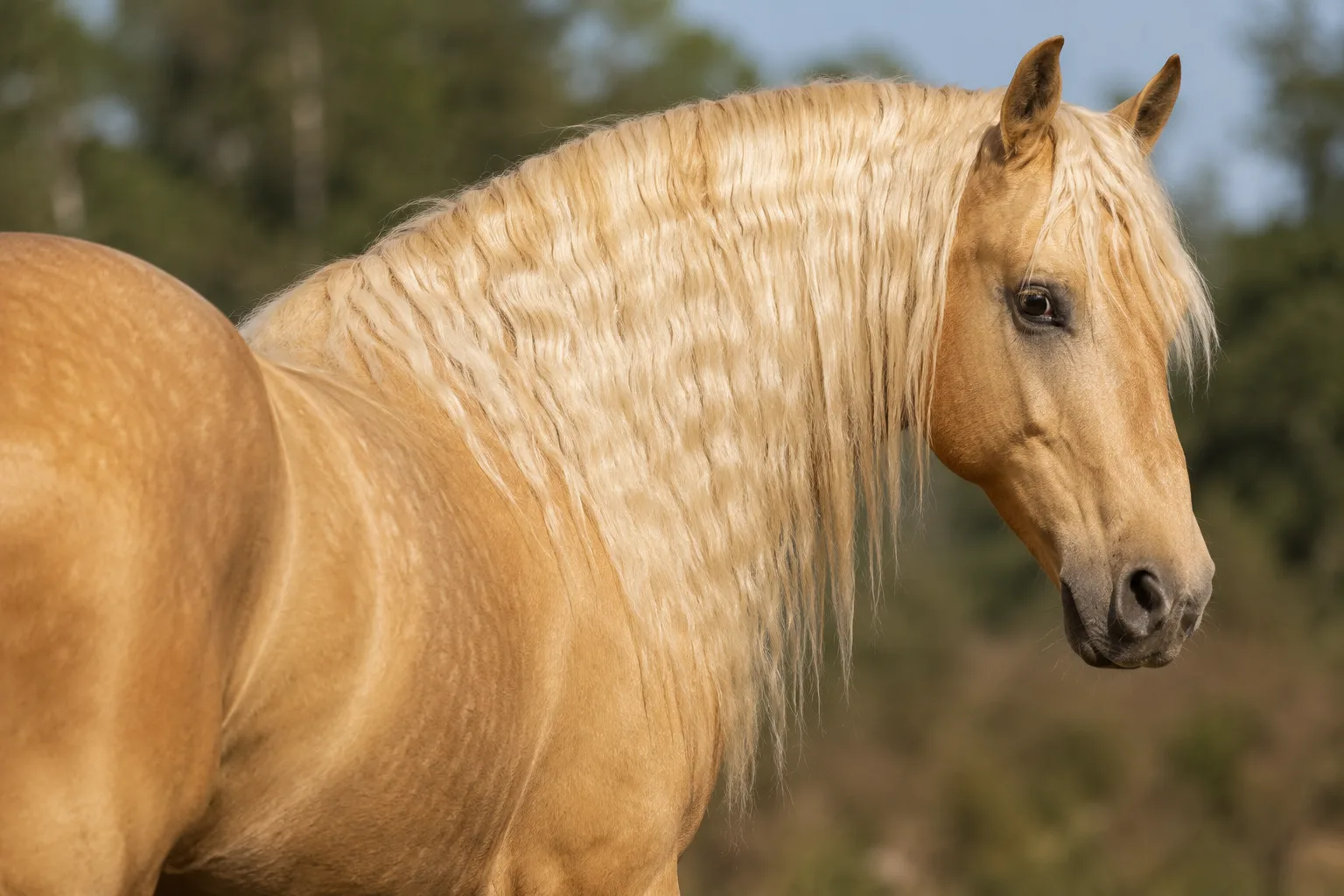
Origin and history
The Bale horse is an indigenous equine breed from Ethiopia, specifically from the Bale region. Its origin is ancient, and it is the result of centuries of adaptation to the harsh environmental conditions of the Ethiopian highlands. It is primarily used by local populations for transport and light agricultural work. The breed does not have official international recognition and is considered endangered.

Conformation and physique
The Bale is a small, pony-type horse, compact and robust, with strong bone structure. It has a build adapted to mountain life, with a muscular body and great endurance.
The head is medium-sized, with a straight or slightly convex profile. The eyes are expressive, and the ears are medium-sized.
The neck is short and muscular, well-set, blending into a low but well-defined wither.
The back is short and strong, the topline is straight. The chest is deep and wide, and the croup is rounded and muscular.
The limbs are short, clean, and very strong, with well-developed joints. The hooves are hard and resistant, adapted to rocky terrain. Feathering is generally absent or very sparse.
- Common coats: bay, chestnut, black, grey
Temperament and aptitudes
The Bale is renowned for its calm, docile, and courageous temperament. It is very hardy and hardworking, making it an excellent companion for daily tasks. It is also intelligent and easy to handle.
The gaits are energetic and sure-footed, with a good ability to move on uneven terrain. The walk is regular, and the trot is supple, allowing for good endurance.
- Uses: pack animal / carrying loads, working mount, light agricultural work, subsistence farming
Feeding the Bale Horse
The Bale horse is a very efficient metabolizer, accustomed to poor diets and periods of scarcity. It tends to become overweight if its diet is too rich. Its diet should primarily be based on medium-quality roughage. Concentrates are only necessary in cases of intense work or specific needs (gestation, lactation) and should be introduced with caution.
Due to its efficient metabolism, the Bale can be predisposed to Equine Metabolic Syndrome (EMS) and laminitis if overfed or if its diet is too rich in sugars and starch. Careful monitoring of its weight and diet is crucial.
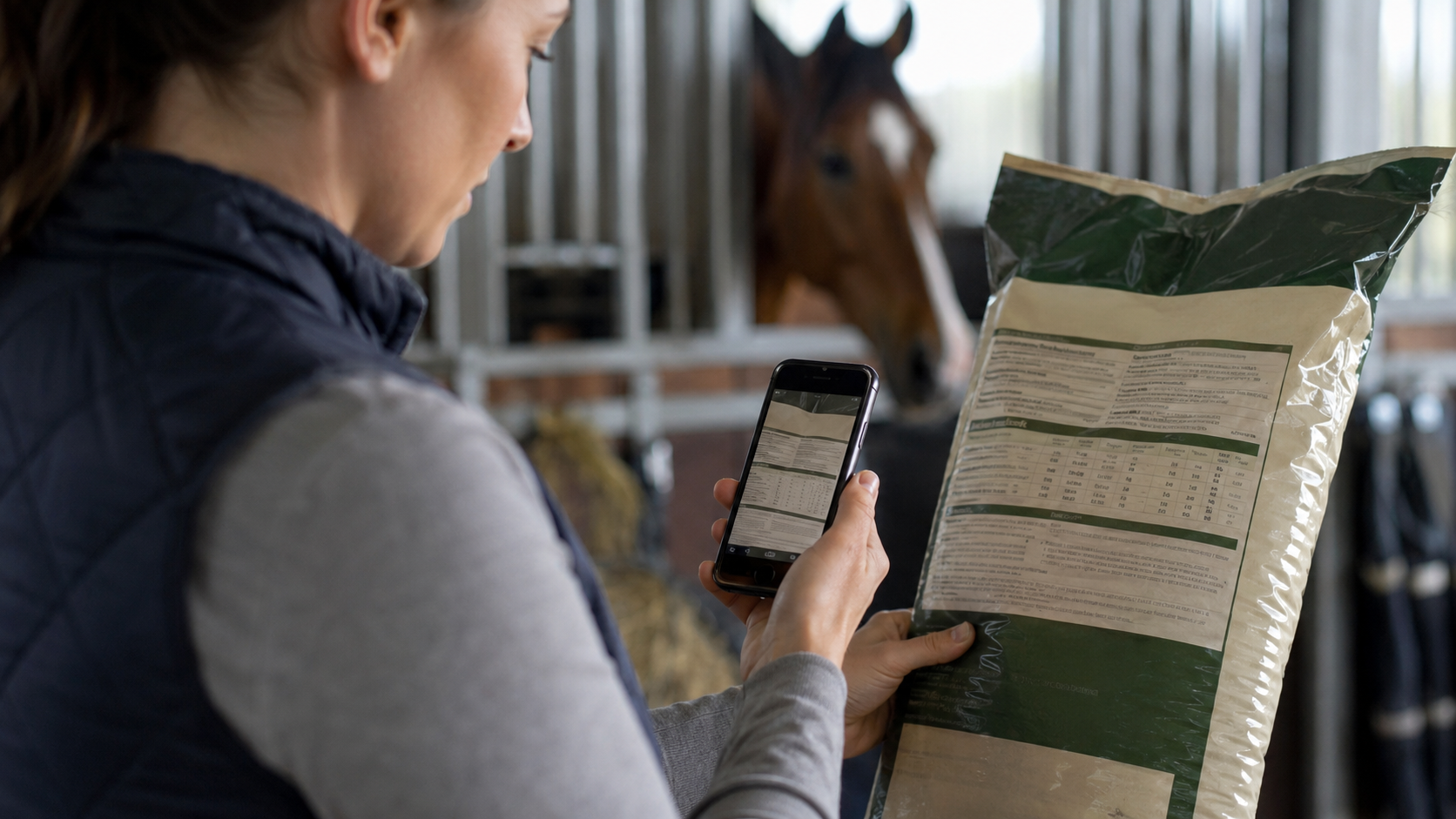
With Equio, every feed, supplement or treat is read against the horse's real profile (age, weight, Body Condition Score, conditions) — useful for a Bale Horse as soon as a metabolic or digestive sensitivity is known.

Health and points to watch
Particular attention must be paid to weight management to prevent EMS and laminitis. A regular deworming program and annual dental care are essential, especially in environments where veterinary resources are limited.
- More frequent conditions: gastrointestinal parasitism (due to husbandry conditions), dental problems (related to age and basic diet)
Care and grooming
The Bale's hooves are naturally hard and resistant, requiring regular trimming but often less intensive than other breeds. The mane and tail are generally thick and may require occasional detangling. The coat is hardy and requires no special care; clipping is rarely necessary. Skin monitoring is recommended to detect potential parasitic conditions.
Did you know?
- The Bale horse is a pillar of the subsistence economy in the mountainous regions of Ethiopia, where it is essential for transporting goods and people over difficult terrain.
- Its small size and robustness are the result of rigorous natural selection over generations, allowing it to survive and thrive in harsh environments.
- The breed is currently threatened by habitat loss, uncontrolled cross-breeding, and a lack of conservation programs.
The Bale Horse and how to track it
The Bale breed is extremely rare outside its country of origin, Ethiopia. There is no documented breeding or significant use in France.
Equio lets you build a complete profile for a Bale Horse: identity, weight, Body Condition Score, feeding, conditions, care reminders (vaccines, worming, trimming) and an exportable health log. The breed sets the identity; everyday decisions still depend on the real horse and your vet's advice.
- Record the activity level: rest, leisure, sport or breeding
- Add known conditions or sensitivities
- Scan feeds, plants and care products
- Keep reminders (vaccines, worming, trimming)
- Prepare a PDF export before a vet appointment
Frequently asked questions
Is the Bale horse suitable for leisure riding in Europe?
The Bale horse is primarily a working and transport horse in its country of origin. Although docile, its small size and adaptation to specific environments make it less suitable for classic European equestrian disciplines. It could be suitable for light trekking or as a companion mount, but it is very difficult to find outside Ethiopia.
What is the availability of the Bale horse for purchase?
The Bale horse is a local and endangered breed, primarily found in Ethiopia. There is no international market for this breed, and its export is extremely rare, if not impossible, due to conservation efforts and local regulations.
What are the specific health challenges for the Bale outside its natural environment?
Outside its natural environment, the Bale, accustomed to a poor diet, would be very sensitive to an overly rich diet, significantly increasing the risks of laminitis and equine metabolic syndrome. It would require very strict dietary management and regular veterinary monitoring to adapt to a new climate and new living conditions.
Is the Bale a good horse for children?
Thanks to its calm and docile temperament, the Bale could potentially be a good mount for children, provided it is well-trained and its small size is suitable. However, its rarity and endangered breed status make its acquisition and adaptation to a Western environment very complex.
How can one contribute to the conservation of the Bale breed?
The conservation of the Bale breed primarily involves supporting local programs in Ethiopia aimed at preserving genetic diversity, improving traditional breeding conditions, and raising community awareness of the importance of this breed. International equine breed conservation organizations can also be a point of contact.