
Horse breed
Asturcón
The Asturcón is a very ancient breed, descending from the Celtic horses that populated the Iberian Peninsula. Archaeological remains attest to its presence as early as the Bronze Age.
The breed at a glance
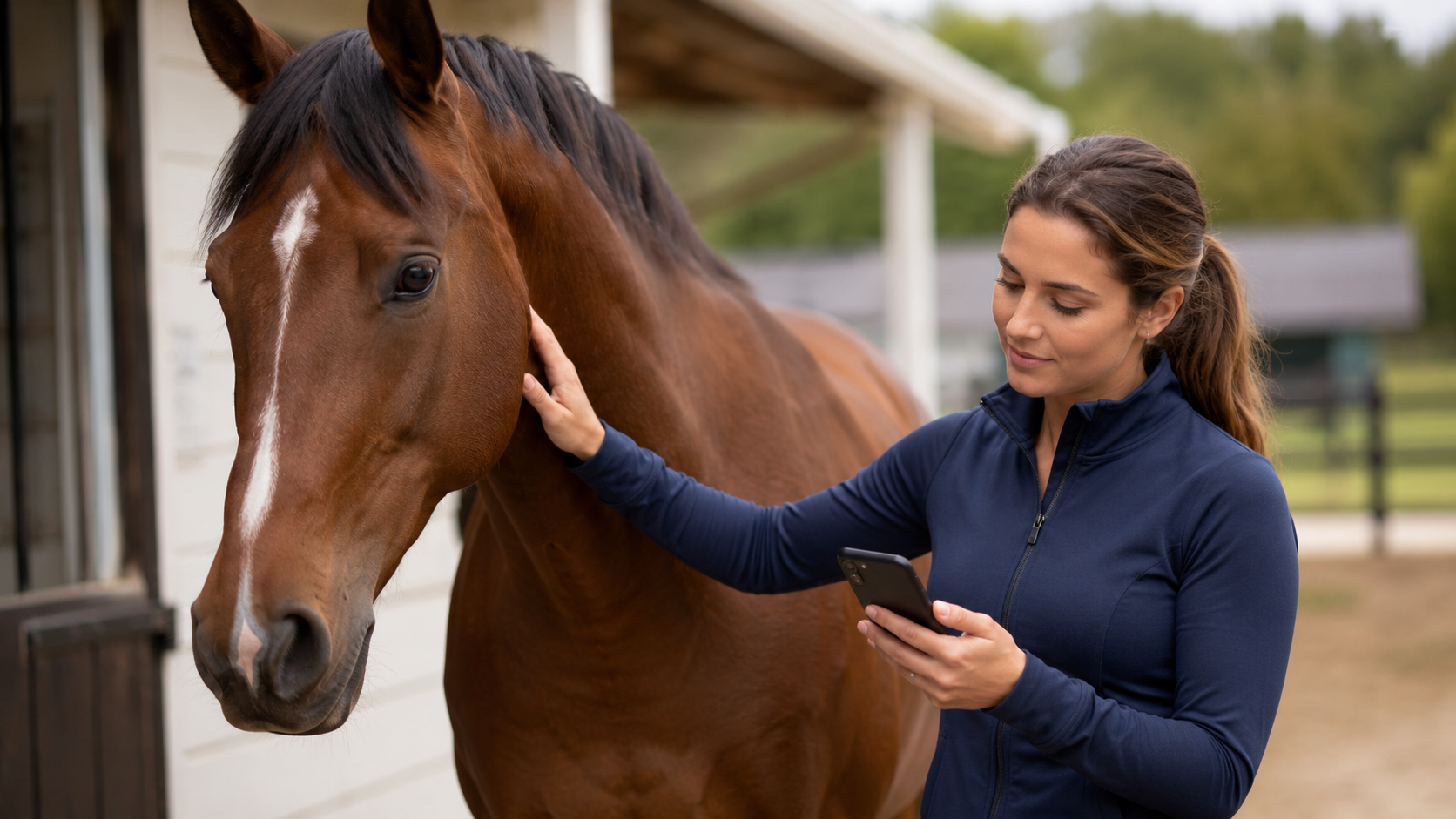
The Asturcón is a pony with a lively, courageous, and very resilient temperament. It is intelligent, docile, and willing, making it an excellent companion. Its hardiness gives it great autonomy and remarkable adaptability.
- Category
- hardy breed
- Origin
- Spain · Antiquity (Celtic origin)
- Height at withers
- 120–125 cm
- Weight
- 250–300 kg
- Lifespan
- 25-30 years
- Common coats
- black (predominant), bay, chestnut
- Disciplines
- Equestrian trekking, TREC, Leisure driving
- Other names
- Poney des Asturies, Cheval des Asturies
Origin and history
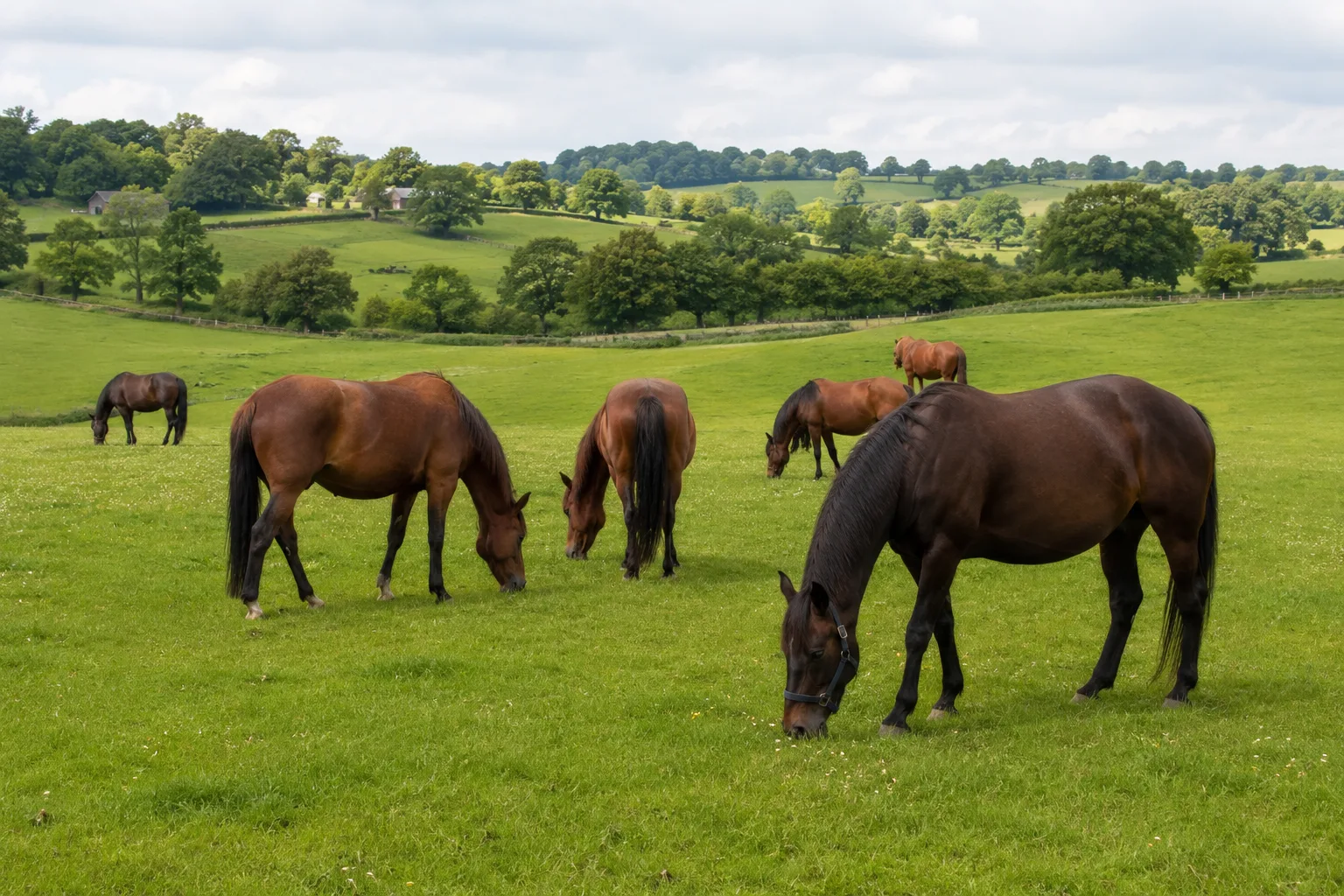
The Asturcón is a very ancient breed, descending from the Celtic horses that populated the Iberian Peninsula. Archaeological remains attest to its presence as early as the Bronze Age. It was influenced by Roman and Visigothic horses but retained its primitive characteristics thanks to its isolation in the mountains of Asturias. The breed was officially recognized in Spain in the 20th century with the creation of a studbook to preserve its purity.

Conformation and physique
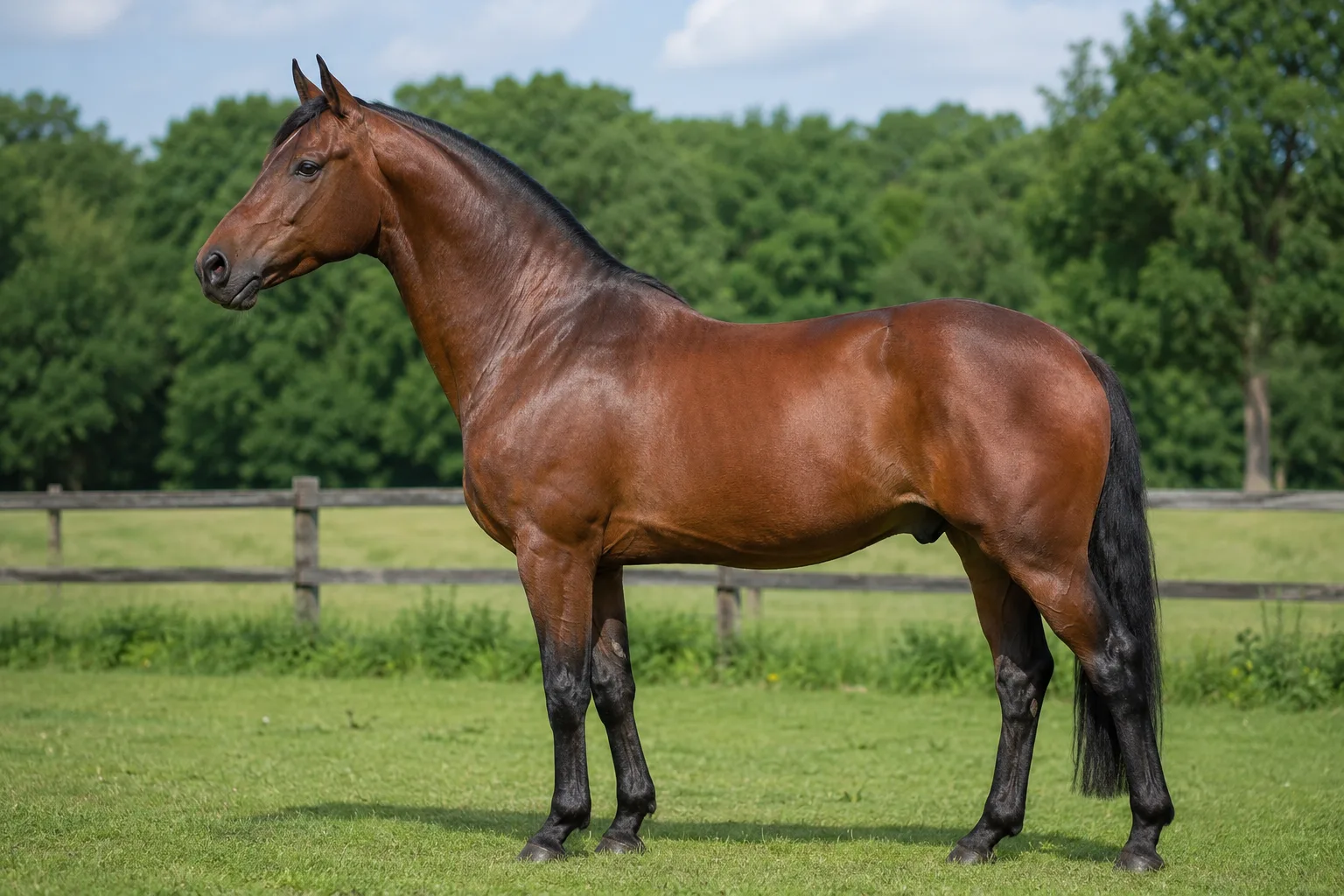
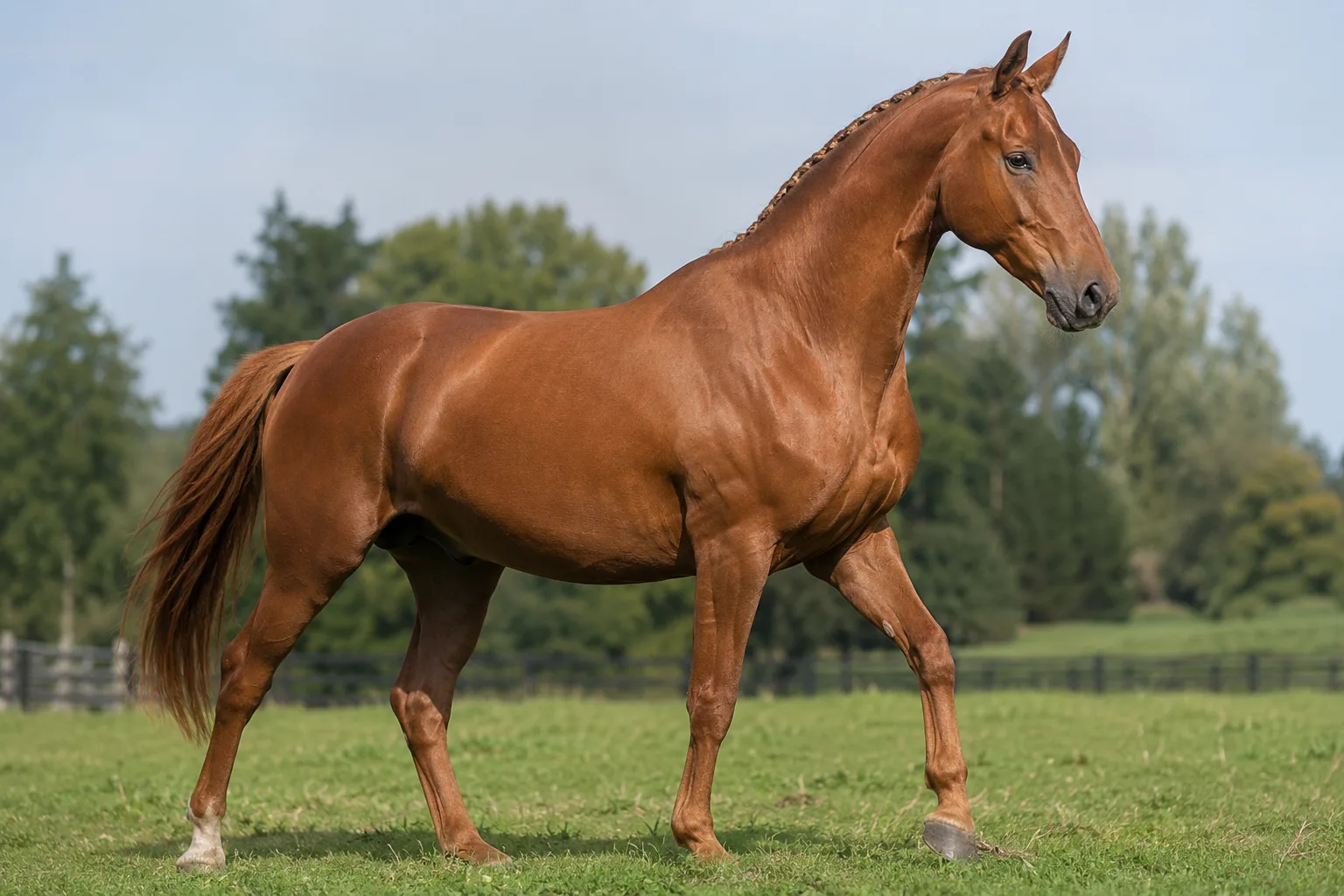
It is a small, compact, and robust pony, with a solid bone structure and well-developed musculature. It has a harmonious silhouette and balanced proportions, typical of hardy mountain breeds.
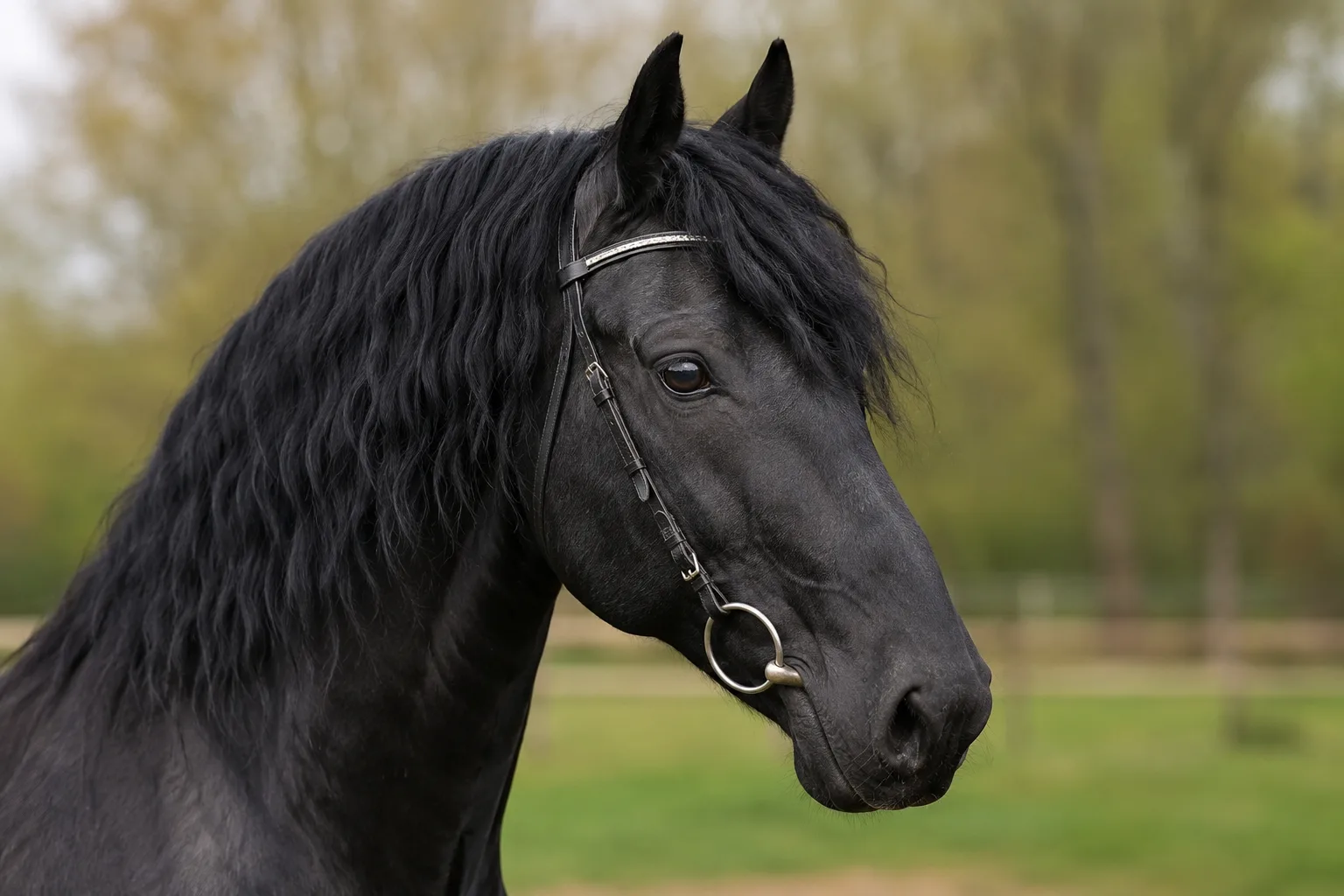
Medium-sized head, rather refined, with a straight or slightly concave profile. The eyes are large and expressive, the ears small and well-set. The muzzle is broad and the nostrils are well-opened.
Short, muscular, and well-set neck, carried rather horizontally. The withers are not very prominent but well-defined.
Short and strong back, straight and solid topline. The chest is broad and deep, the croup rounded and muscular, often double.
Short, clean, and very strong limbs, with well-defined joints and clear tendons. The hooves are small, hard, and very resistant. Feathering is sparse.
- Common coats: black (predominant), bay, chestnut
Temperament and aptitudes
The Asturcón is a pony with a lively, courageous, and very resilient temperament. It is intelligent, docile, and willing, making it an excellent companion. Its hardiness gives it great autonomy and remarkable adaptability.
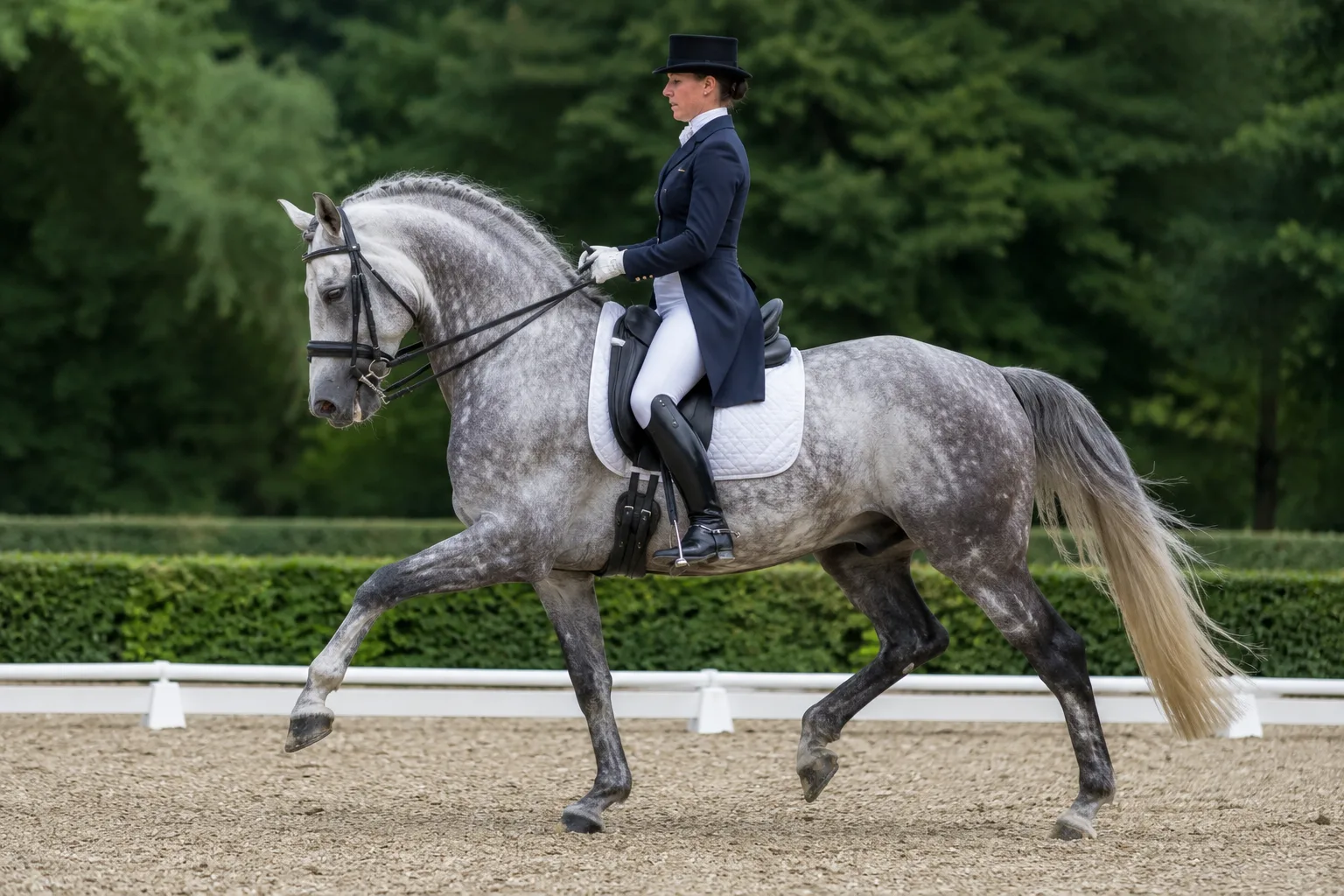
The gaits are energetic, ample, and regular. The Asturcón is particularly renowned for its natural tölt, a very comfortable four-beat gait for the rider, although not systematic in all individuals.
- Uses: Mountain packing and saddling, Light agricultural work, Leisure riding and trail riding, Light harness driving, Riding for children
- Disciplines: Equestrian trekking, TREC, Leisure driving
Feeding the Asturcón
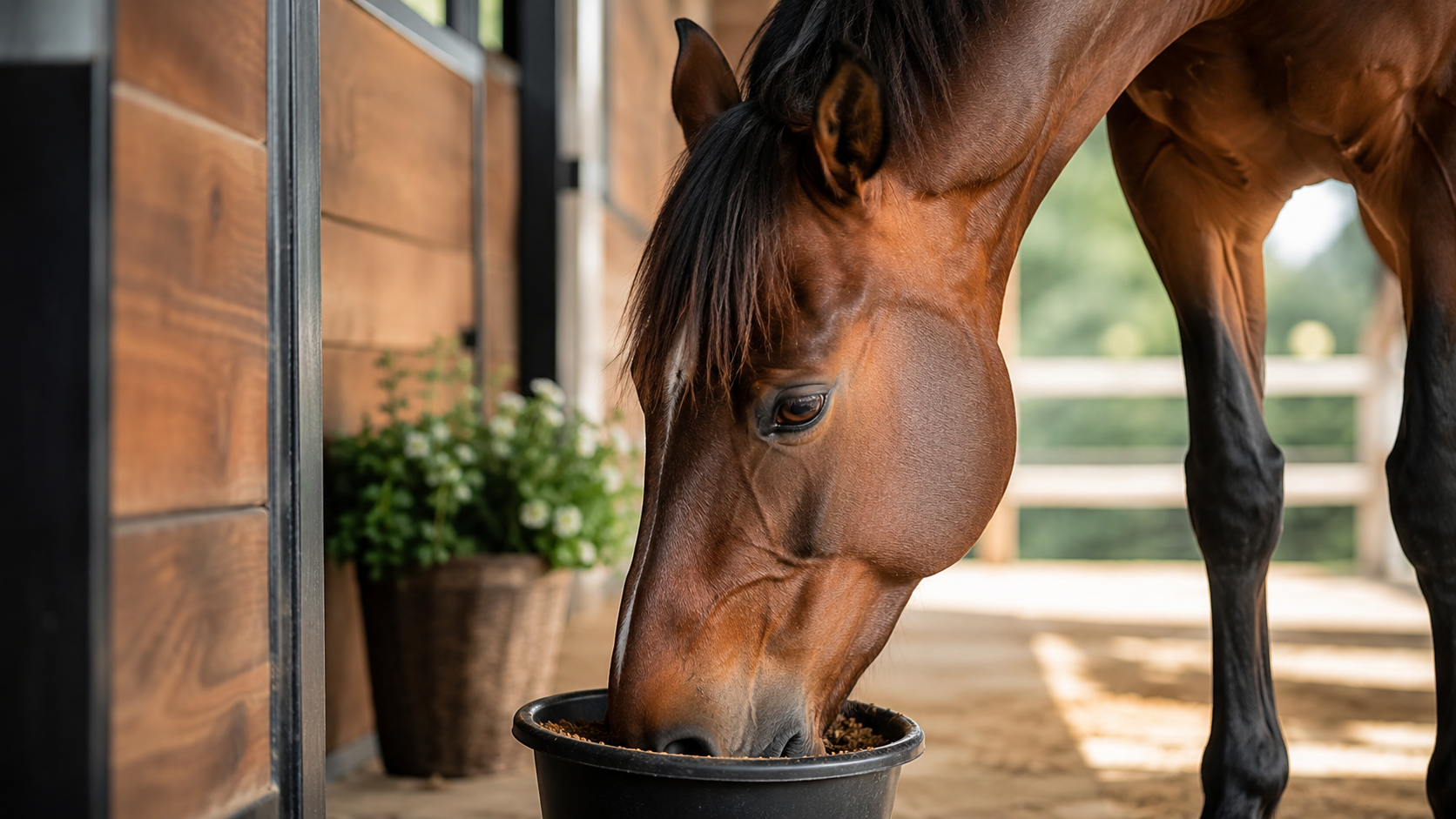
The Asturcón is a very economical breed, accustomed to poor environments. Its metabolism is adapted to utilizing coarse forages efficiently. It tends to gain weight if its diet is too rich. A diet primarily consisting of good quality hay or pasture is sufficient for most individuals. Concentrates are only necessary in cases of intense work or specific needs (gestation, lactation) and should be given sparingly.
Due to its economical metabolism, the Asturcón is predisposed to Equine Metabolic Syndrome (EMS) and laminitis if overfed or exposed to pastures too rich in fructans. Careful dietary management is crucial to prevent these conditions.
With Equio, every feed, supplement or treat is read against the horse's real profile (age, weight, Body Condition Score, conditions) — useful for a Asturcón as soon as a metabolic or digestive sensitivity is known.
Health and points to watch
Carefully monitor weight and body condition to prevent obesity and the risk of laminitis. Ensure regular hoof trimming; hooves are naturally very hard but can wear unevenly. Particular attention should be paid to pasture quality.
- More frequent conditions: Laminitis (in case of overfeeding), Equine Metabolic Syndrome (EMS)
Care and grooming
The Asturcón's hooves are naturally hard and resistant, requiring regular trimming but often less frequent than other breeds. The mane and tail are thick and full, requiring regular detangling. The dense, hardy coat does not require special care, apart from brushing to remove mud and dead hair. Clipping is rarely necessary, except for sport horses or those in intense work.
Did you know?
- The Asturcón is one of the few equine breeds to naturally possess an additional gait, the tölt, a very comfortable four-beat gait.
- Representations of horses similar to the Asturcón have been found in the rock art of the Asturias region, dating back thousands of years.
- Each year, the 'Rapa das Bestas' is a traditional festival in Galicia and Asturias where wild horses, including Asturcóns, are rounded up, marked, and their manes trimmed.
The Asturcón and how to track it
The Asturcón breed is not very common in France, mainly owned by enthusiasts of hardy breeds or specialized breeders. There is no dedicated French studbook, but individuals can be registered with the Spanish studbook.
Equio lets you build a complete profile for a Asturcón: identity, weight, Body Condition Score, feeding, conditions, care reminders (vaccines, worming, trimming) and an exportable health log. The breed sets the identity; everyday decisions still depend on the real horse and your vet's advice.
- Record the activity level: rest, leisure, sport or breeding
- Add known conditions or sensitivities
- Scan feeds, plants and care products
- Keep reminders (vaccines, worming, trimming)
- Prepare a PDF export before a vet appointment
Frequently asked questions
Is the Asturcón suitable for children?
Yes, thanks to its small size, calm temperament, and docility, the Asturcón is an excellent pony for children and beginners, provided it is well-trained.
Can the Asturcón live outdoors all year round?
Absolutely. Its hardiness, dense coat, and resistance to bad weather allow it to live outdoors all year round, provided it has natural or artificial shelter to protect itself from extreme weather conditions.
Is the Asturcón an endangered breed?
Yes, although conservation efforts have been implemented, the Asturcón is considered an endangered breed. The studbook and breeders' associations are working to preserve it and promote its qualities.
What is special about the Asturcón's gait?
Some Asturcóns naturally possess the tölt, a four-beat lateral gait, which is very comfortable for the rider as it produces no bounce. It is an intermediate gait between the walk and the canter.
What is the average price of an Asturcón?
The price of an Asturcón can vary considerably depending on its age, training level, lineage, and sex. Generally, a quality individual costs between €1,500 and €4,000.