
Horse breed
Assateague
Assateague ponies are descendants of domestic horses that are believed to have survived a shipwreck off the coasts of Virginia and Maryland in the 17th century, or to have been deliberately left on the island by colonists to avoid taxes. They have evolved into a hardy breed adapted to the island environment.
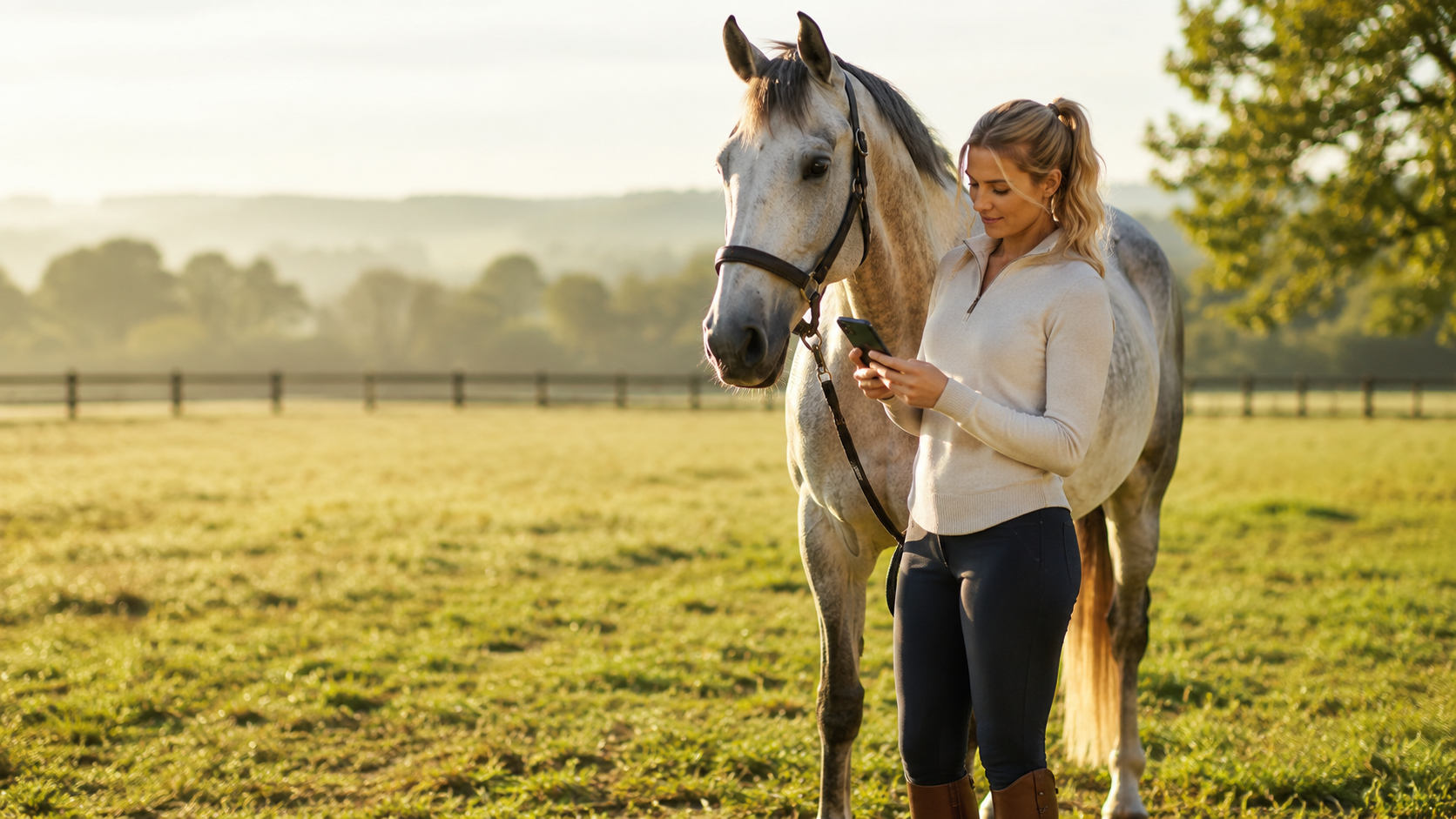
The breed at a glance
Their temperament is generally calm, intelligent, and willing, although wild ponies may be more wary. They are renowned for their hardiness and trainability, making them excellent companions for children and adults.
- Category
- pony
- Origin
- United States · 17th century
- Height at withers
- 120–147 cm
- Weight
- 250–380 kg
- Lifespan
- 25-35 years
- Common coats
- bay, chestnut, black, grey, palomino, roan, pinto
- Disciplines
- recreational riding, trail riding, pony games, dressage (amateur level)
- Other names
- Chincoteague Pony
Origin and history
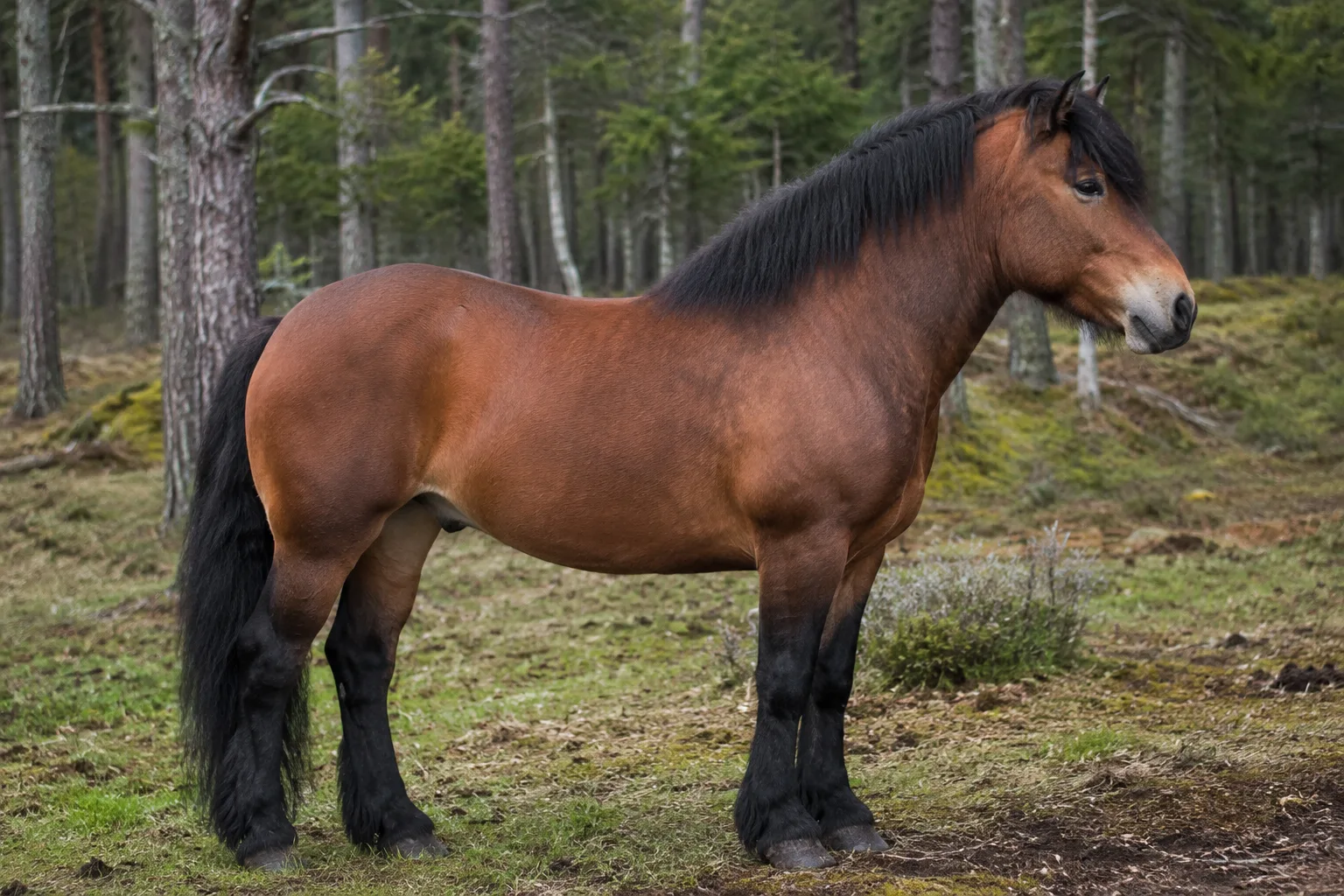
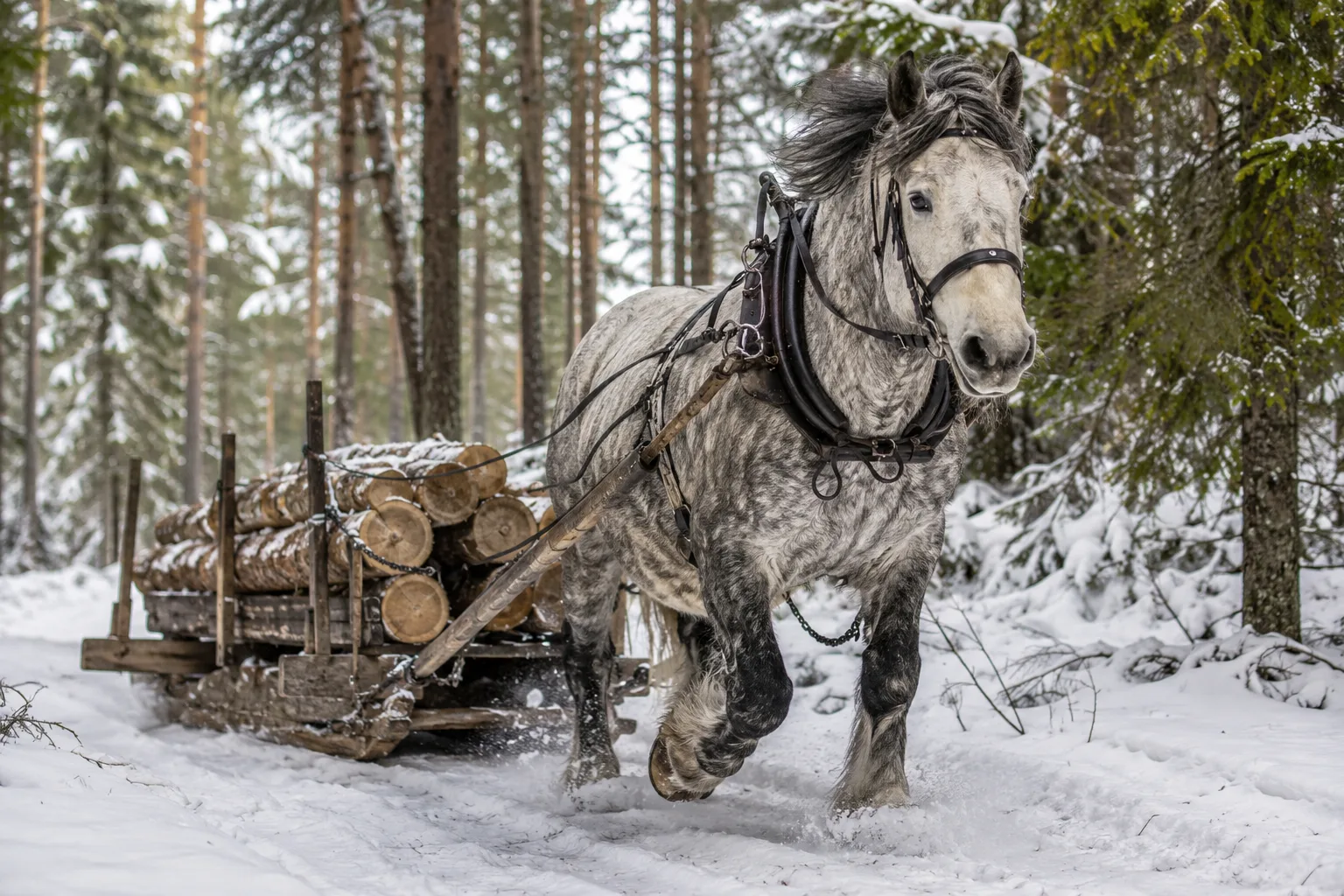
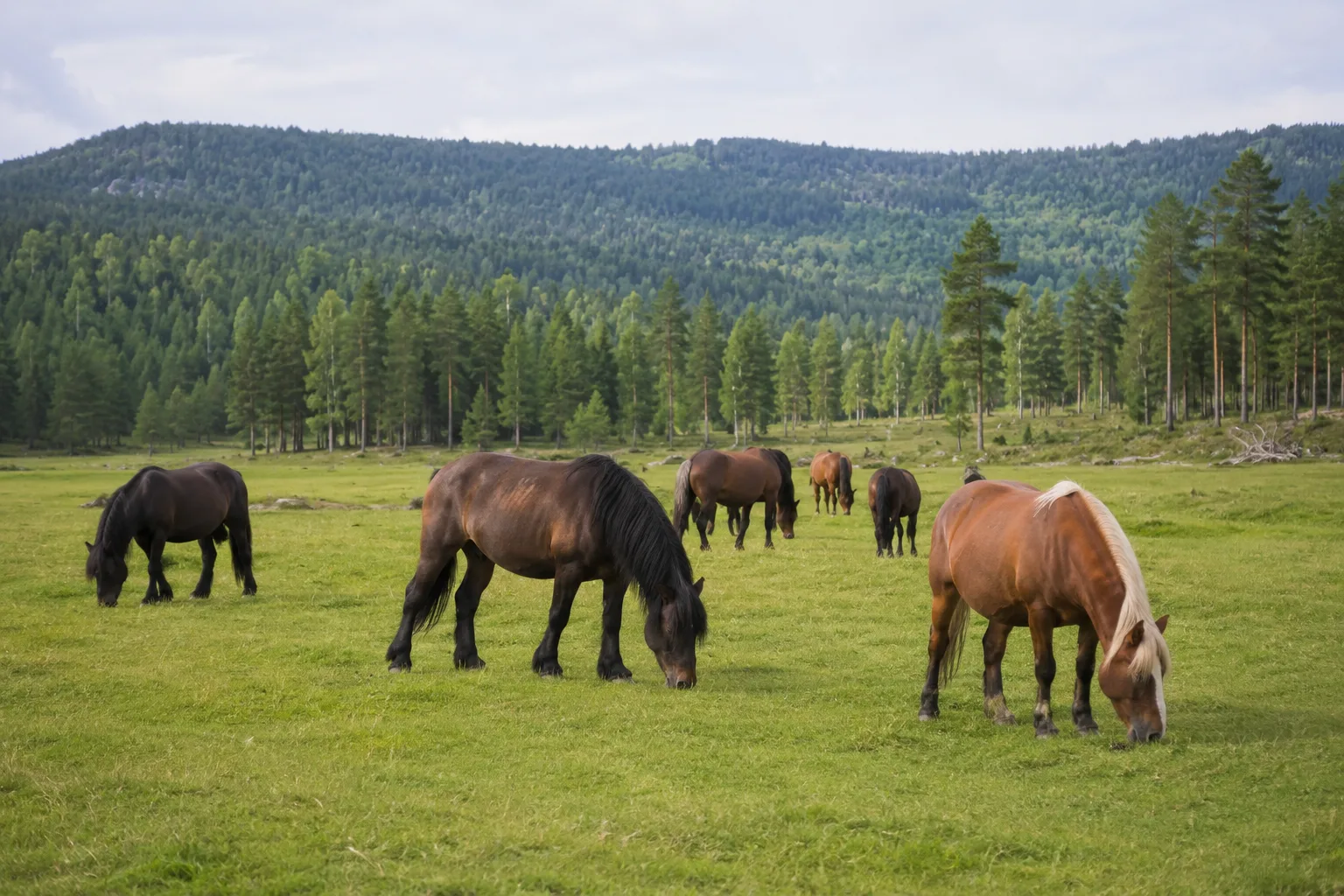
Assateague ponies are descendants of domestic horses that are believed to have survived a shipwreck off the coasts of Virginia and Maryland in the 17th century, or to have been deliberately left on the island by colonists to avoid taxes. They have evolved into a hardy breed adapted to the island environment. The breed is primarily managed by the Chincoteague Volunteer Fire Company, which organizes a famous annual 'Pony Swim'. Although they are called 'ponies', many reach the size of a small horse.
Conformation and physique
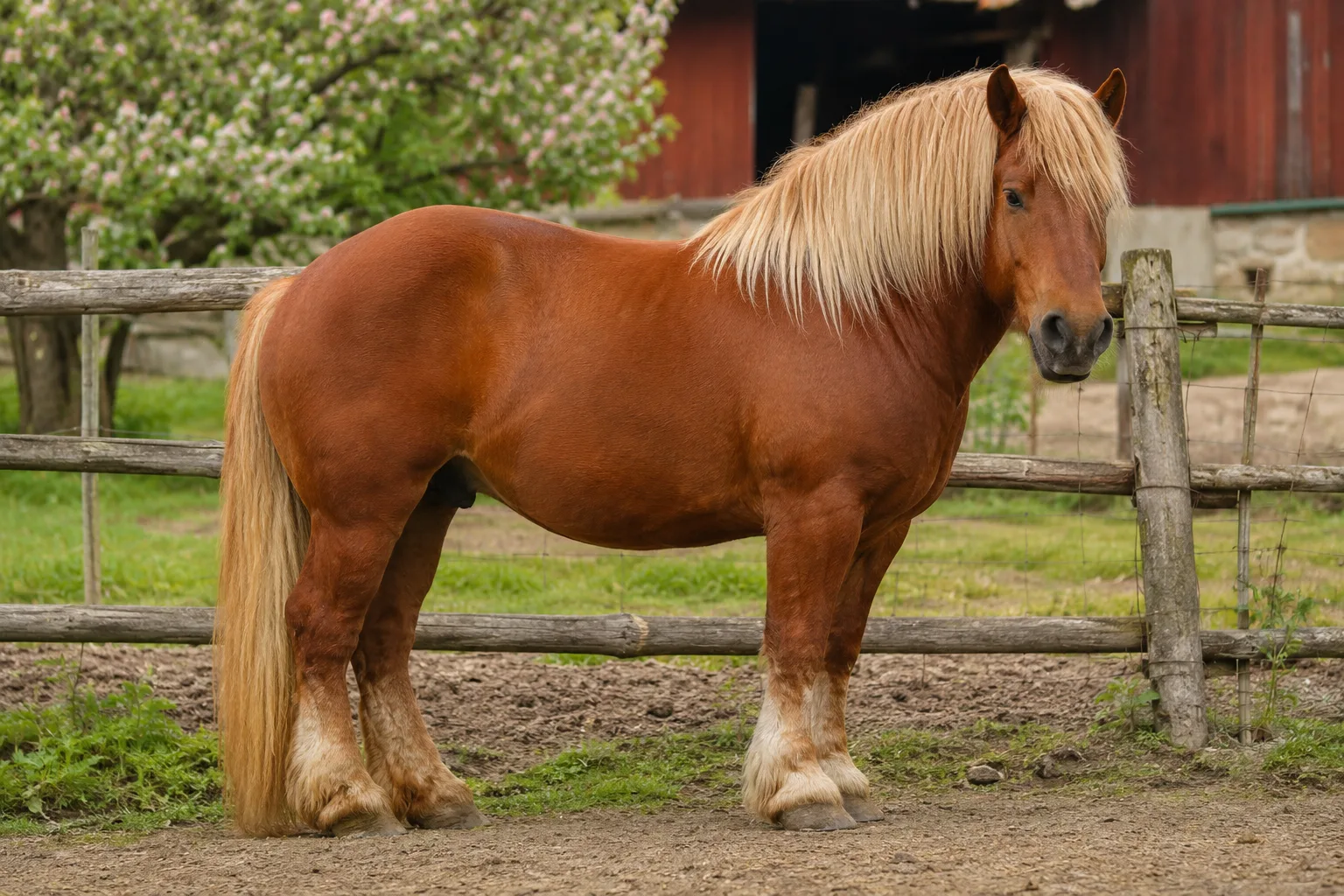
A compact and robust pony, with strong bone structure and well-developed musculature, demonstrating its adaptation to a harsh environment. It presents a rustic and athletic silhouette.
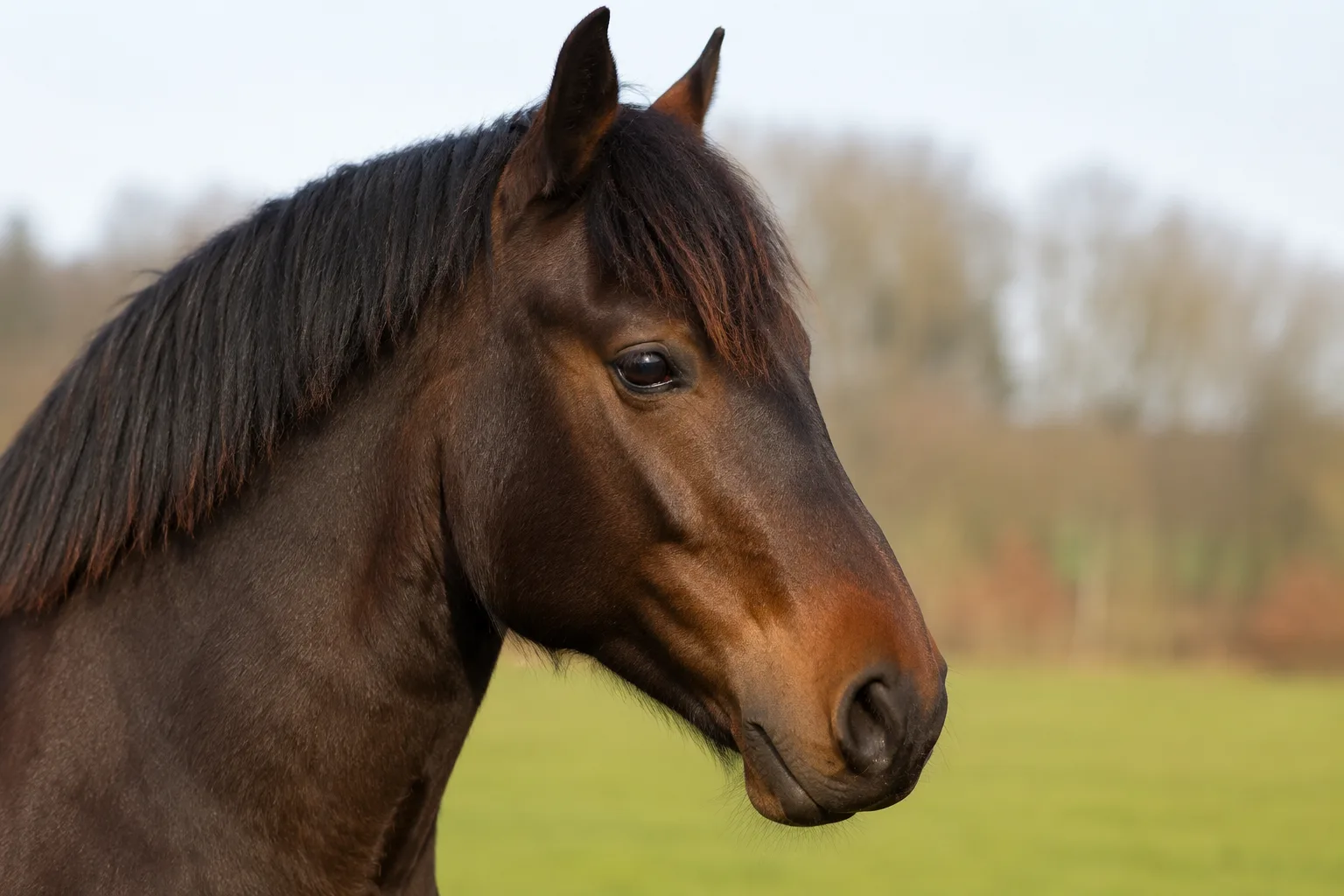
Medium-sized head, often with a straight or slightly concave profile. The eyes are expressive and the ears are medium-sized, well-set.
Medium-length neck, well-set, muscular and strong, blending harmoniously into a well-defined wither.
Short and strong back, straight and muscular topline. Broad and deep chest, well-sprung ribs. Rounded and muscular croup, often double.
Solid and dry limbs, with well-defined joints and correct conformation. Hooves are hard and well-formed, adapted to varied terrain. Little to no feathering.
- Common coats: bay, chestnut, black, grey, palomino, roan, pinto
Temperament and aptitudes
Their temperament is generally calm, intelligent, and willing, although wild ponies may be more wary. They are renowned for their hardiness and trainability, making them excellent companions for children and adults.
Their gaits are free, energetic, and regular, covering ground well. The walk is active, the trot supple, and the canter balanced, reflecting their natural agility.
- Uses: recreational riding, trail riding, light driving, pony games, family horse
- Disciplines: recreational riding, trail riding, pony games, dressage (amateur level), show jumping (small classes)
Feeding the Assateague
The Assateague pony is an efficient metabolizer, accustomed to limited food resources. They tend to become overweight if overfed. Their diet should primarily consist of good quality forage, such as hay or grass, in controlled amounts. Concentrates are generally only necessary for individuals in intense work or growing, and should be low in sugars and starch.
Due to their efficient metabolism and hardy origins, Assateague ponies are predisposed to Equine Metabolic Syndrome (EMS) and laminitis if subjected to a diet too rich in sugars and starch, or if they are overweight. Careful dietary management is crucial to prevent these conditions.
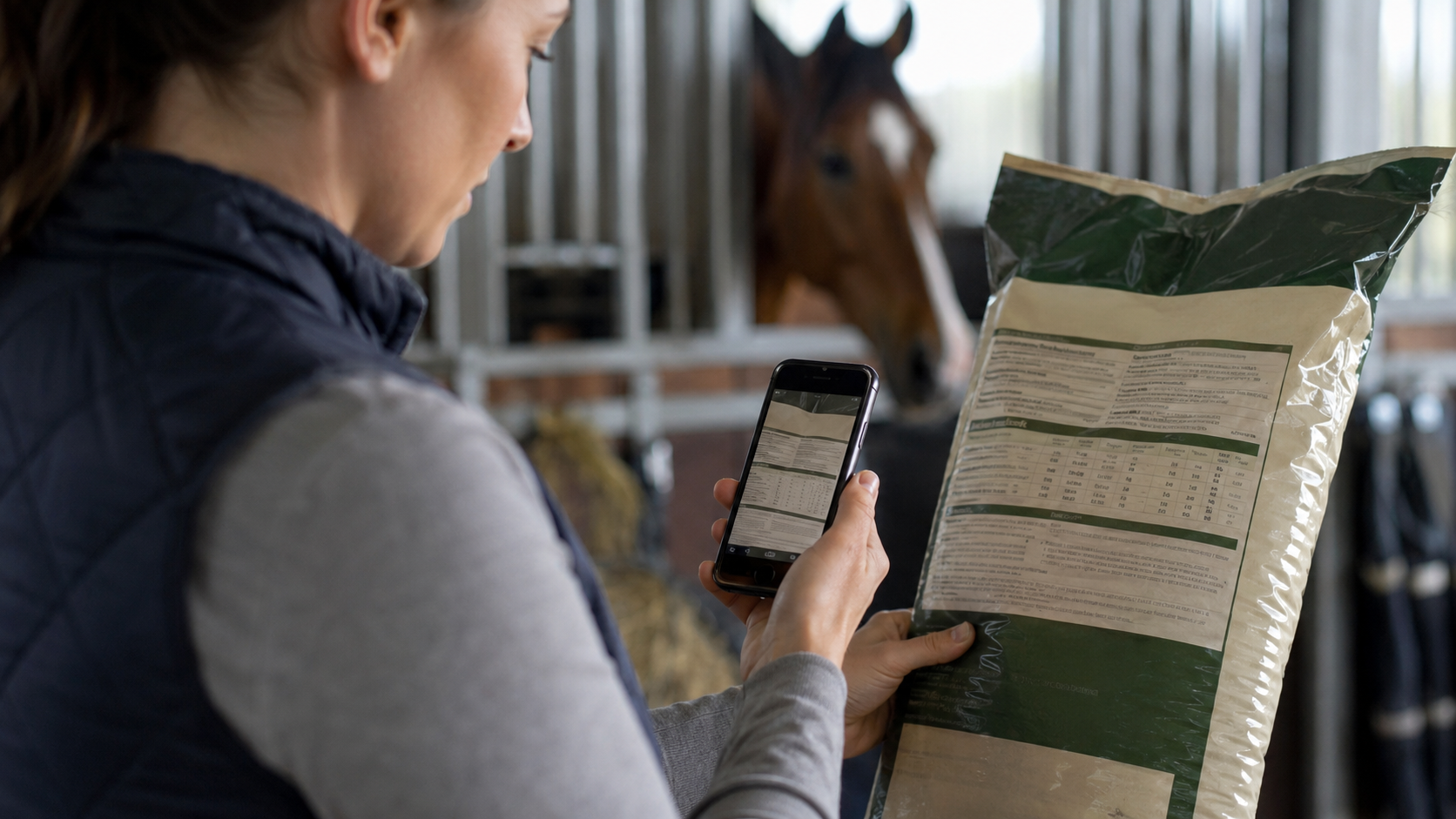
With Equio, every feed, supplement or treat is read against the horse's real profile (age, weight, Body Condition Score, conditions) — useful for a Assateague as soon as a metabolic or digestive sensitivity is known.
Health and points to watch
Regular monitoring of weight and body condition is essential to prevent obesity and associated metabolic problems. Particular attention should be paid to hoof health, as laminitis can have serious consequences.
- More frequent conditions: laminitis, Equine Metabolic Syndrome (EMS), obesity
Care and grooming
Assateague ponies are hardy and do not require excessive care. Regular hoof trimming is important to maintain their integrity. Regular brushing is sufficient for coat maintenance. The mane and tail can be left natural or maintained according to use. They are generally resistant to skin problems.
Did you know?
- Each year, the Chincoteague Volunteer Fire Company organizes the famous 'Pony Swim,' where the ponies are swum from Assateague Island to Chincoteague Island to be sold at auction, a tradition that funds the volunteer firefighters.
- Assateague ponies became famous thanks to Marguerite Henry's children's book 'Misty of Chincoteague,' published in 1947.
- There are two distinct herds on Assateague Island, separated by a fence at the Maryland-Virginia border, managed by different entities.
The Assateague and how to track it
The Assateague breed is very rare in France and is not subject to significant breeding there. The few individuals present are generally imported for personal or collection reasons.
Equio lets you build a complete profile for a Assateague: identity, weight, Body Condition Score, feeding, conditions, care reminders (vaccines, worming, trimming) and an exportable health log. The breed sets the identity; everyday decisions still depend on the real horse and your vet's advice.
- Record the activity level: rest, leisure, sport or breeding
- Add known conditions or sensitivities
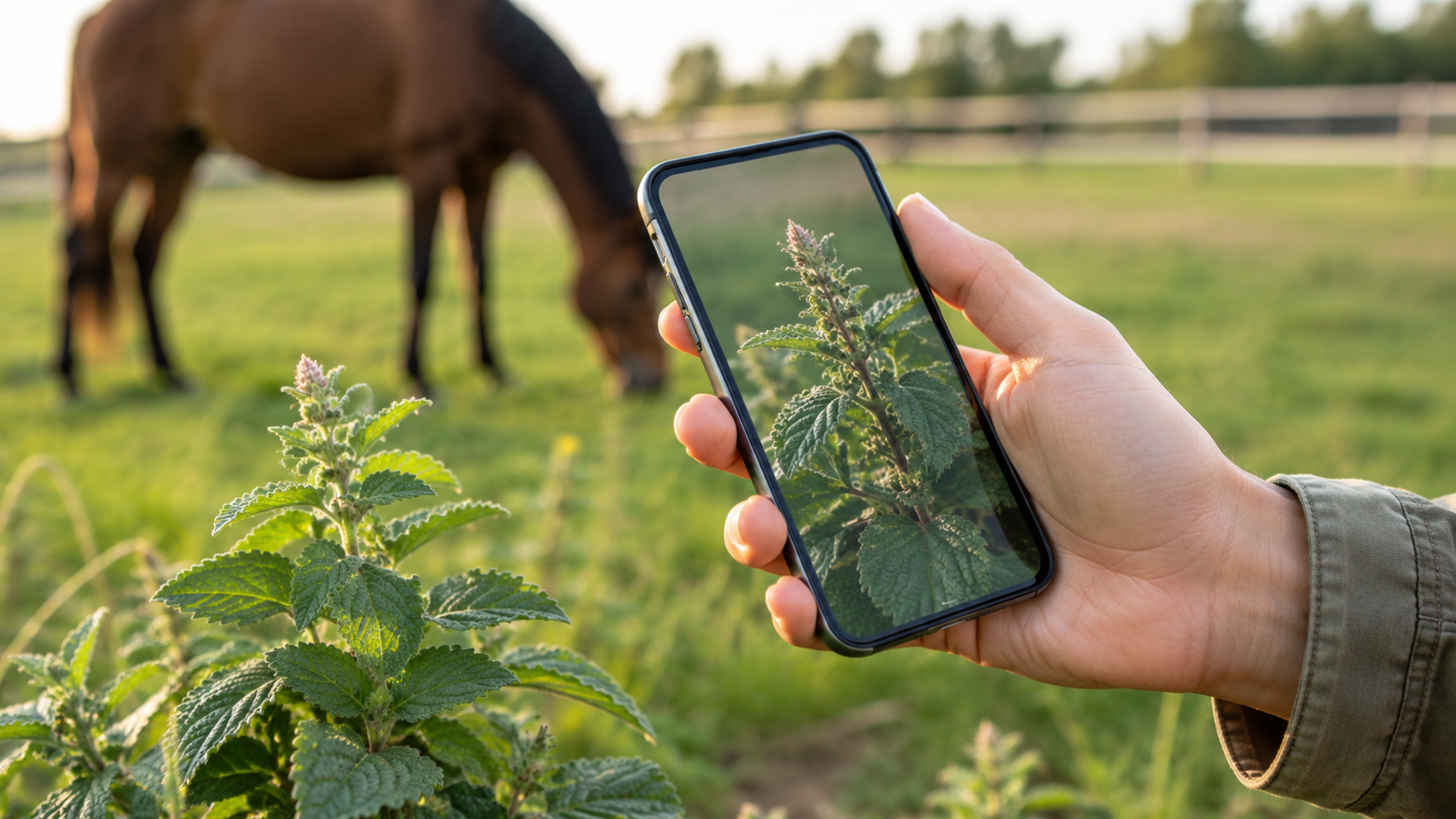
- Scan feeds, plants and care products
- Keep reminders (vaccines, worming, trimming)
- Prepare a PDF export before a vet appointment
Frequently asked questions
What is the difference between an Assateague pony and a Chincoteague pony?
The terms are often used interchangeably. Assateague ponies are the wild ponies living on Assateague Island. Chincoteague ponies are Assateague ponies that have been captured and domesticated, often sold during the annual Pony Swim.
Are Assateague ponies truly wild?
Yes, Assateague ponies live freely on Assateague Island. However, they are managed by organizations that monitor their health and population, and a portion of the herd is rounded up annually for sale.
Are they suitable for children?
Yes, once domesticated and well-trained, Assateague ponies are renowned for their calm temperament, intelligence, and hardiness, making them excellent mounts for children and beginners.
What is the average price of an Assateague pony?
The price varies considerably. Ponies sold during the Chincoteague Pony Swim can fetch thousands of dollars, especially foals. Outside of this event, the price depends on age, training, and lineage, but they generally remain affordable.
Can they live outdoors year-round?
Absolutely. Thanks to their hardy origins and adaptation to a challenging environment, Assateague ponies are perfectly capable of living outdoors year-round, provided they have natural or artificial shelter from the elements and access to fresh water.