
Horse breed
American Shetland Pony
The American Shetland Pony was developed in the United States from Shetland ponies imported from Scotland. The goal was to create a more refined pony, with higher action gaits and a more docile temperament, suitable for recreational driving and children.
The breed at a glance
The American Shetland Pony is renowned for its intelligent, docile, and willing temperament. It is courageous and energetic, yet generally easy to handle, making it an excellent pony for children and beginners.
- Category
- pony
- Origin
- United States · Late 19th century - Early 20th century
- Height at withers
- 71–117 cm
- Weight
- 130–200 kg
- Lifespan
- 25-35 years
- Common coats
- All coat colors are accepted, including pinto and spotted patterns.
- Disciplines
- driving (full-scale and miniature), recreational riding, showmanship, conformation and movement classes
- Other names
- Shetland Américain
Origin and history
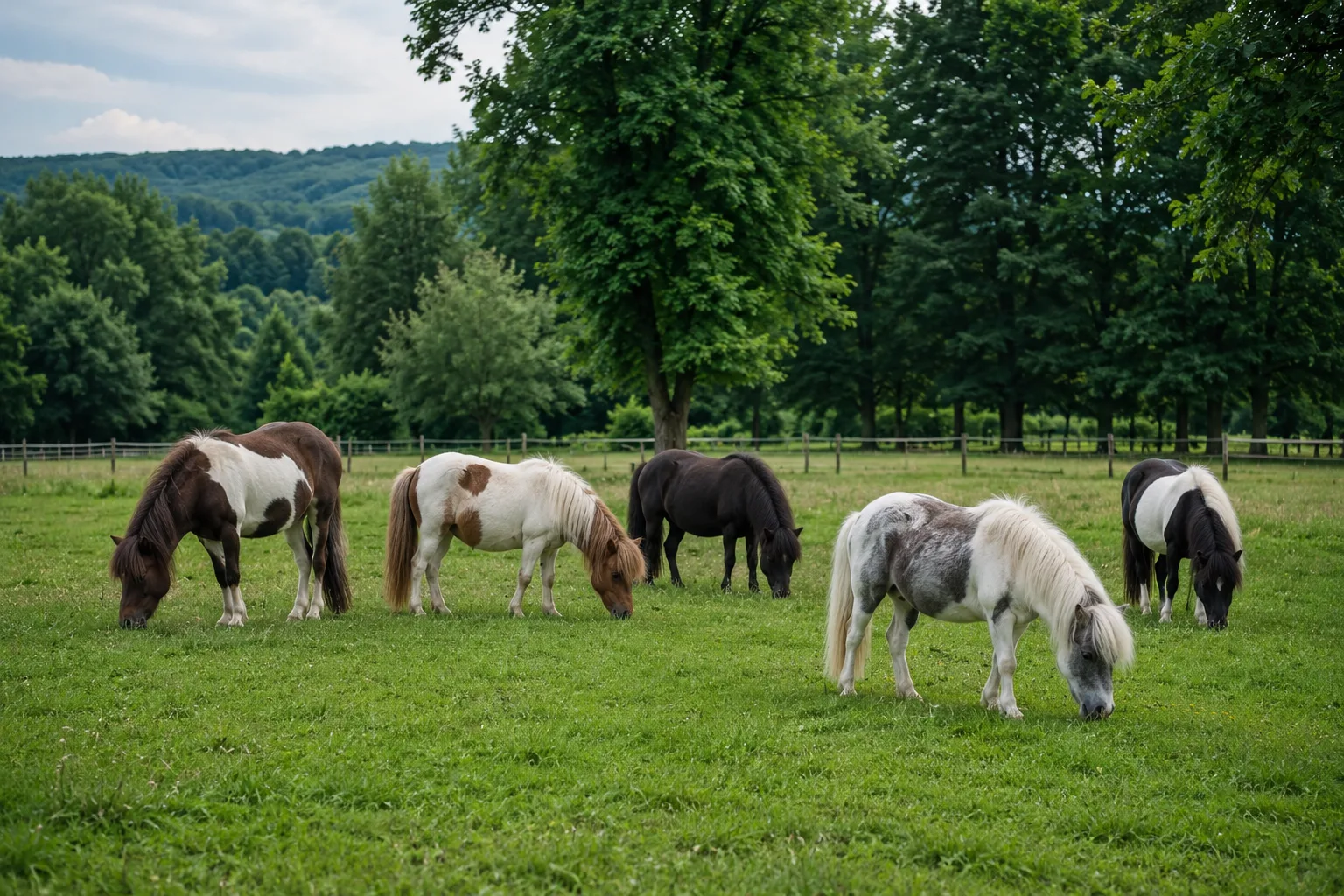
The American Shetland Pony was developed in the United States from Shetland ponies imported from Scotland. The goal was to create a more refined pony, with higher action gaits and a more docile temperament, suitable for recreational driving and children. Crosses with Hackney Ponies, Welsh Ponies, and miniature horses helped establish the breed's characteristics. Official recognition occurred with the creation of the American Shetland Pony Club in 1888.
Conformation and physique
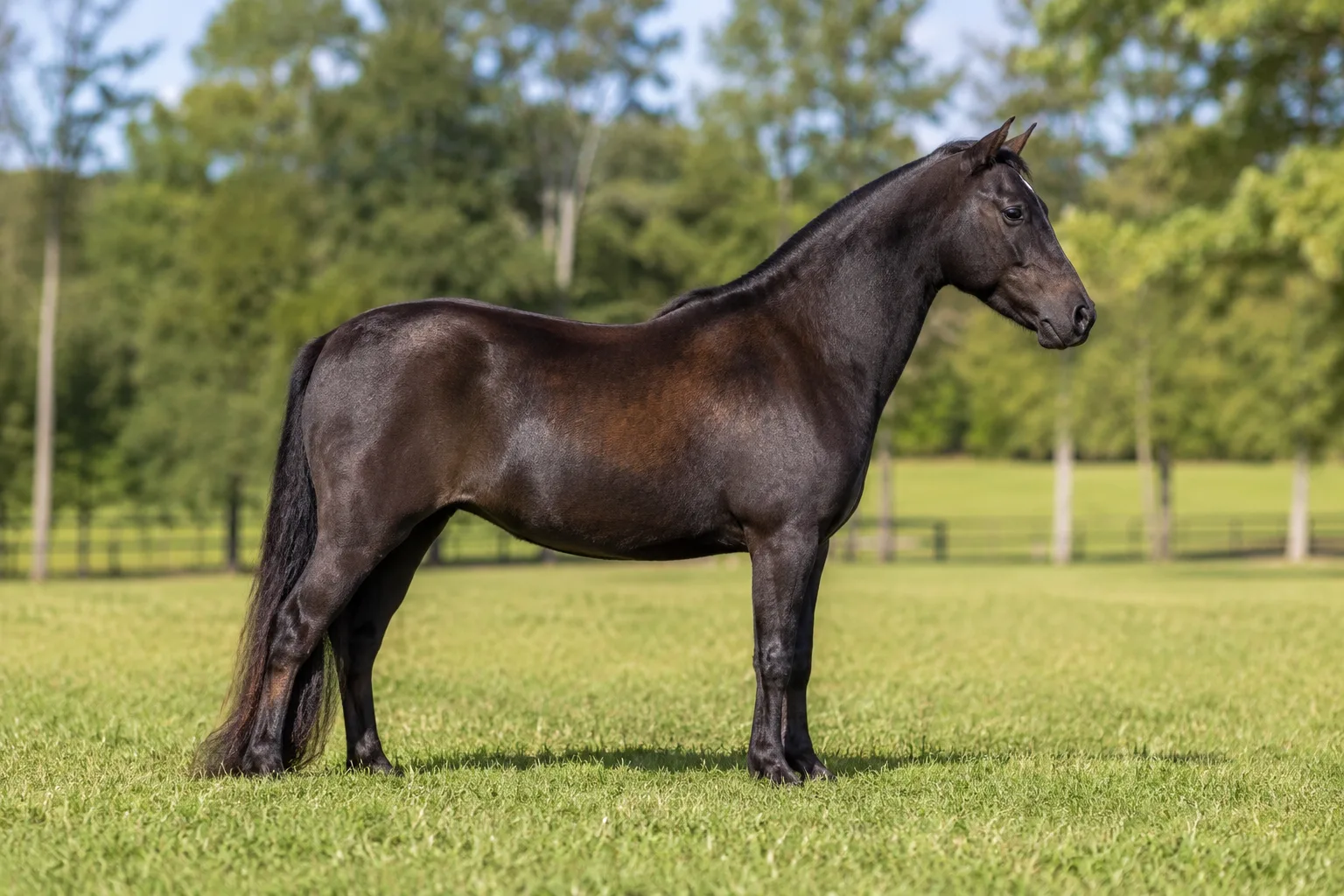
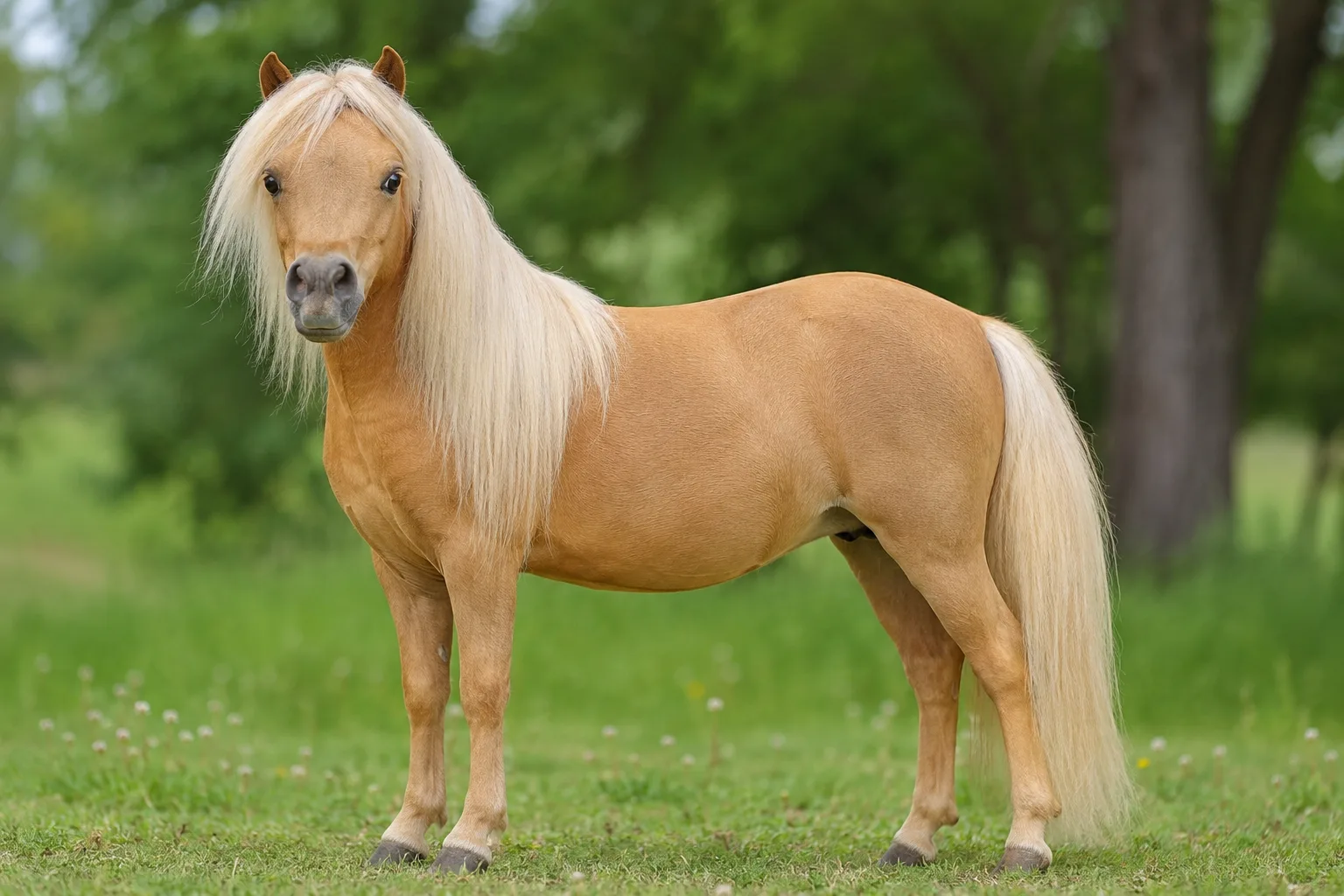
A small, elegant, and refined pony with fine but strong bone structure. It has a more slender and athletic build than its Scottish ancestor, with a proud head carriage.
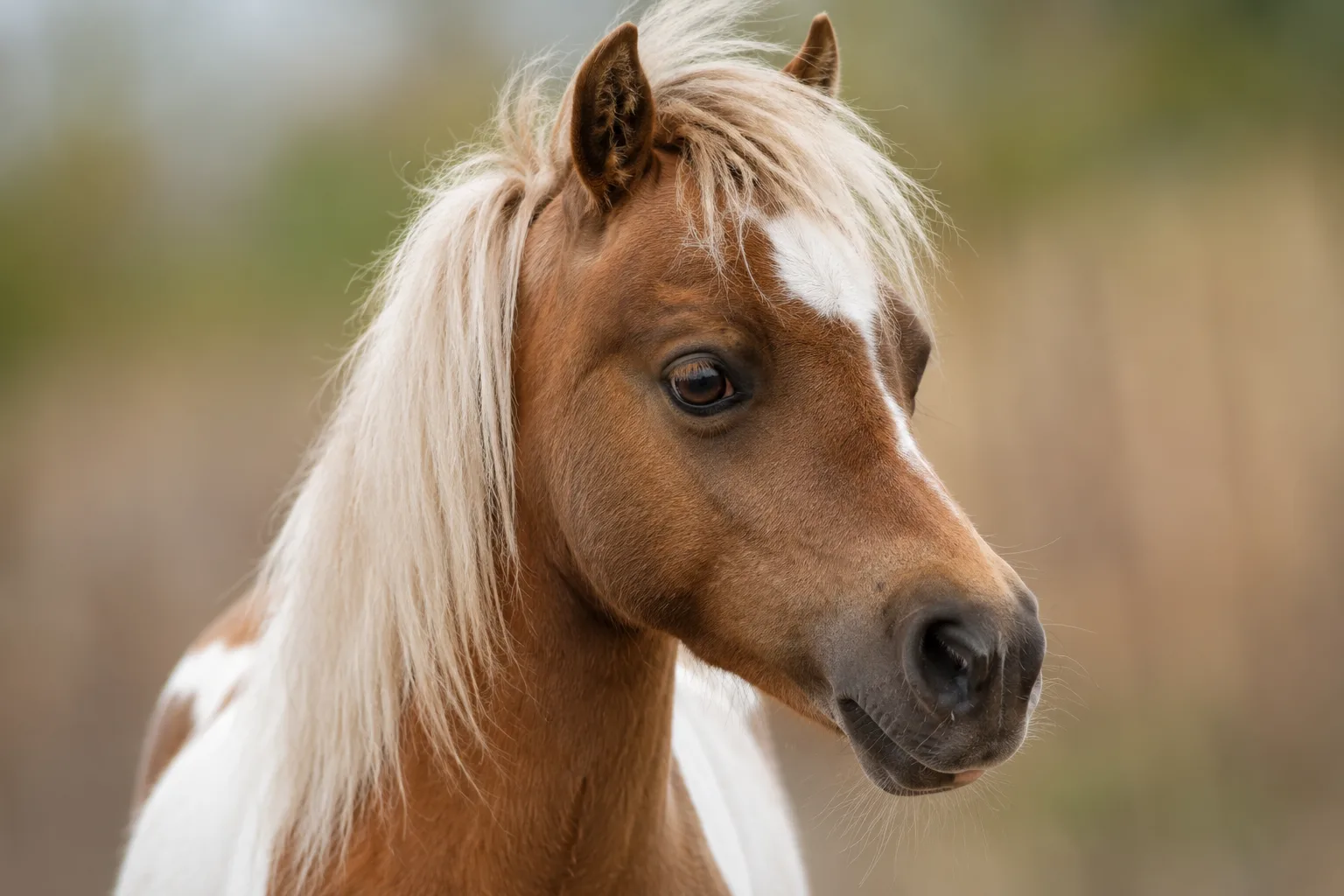
Small, well-proportioned head with a broad forehead, large expressive eyes, and a straight or slightly concave profile. The ears are small and well-placed.
Long, well-arched, and proudly carried neck, blending harmoniously into a well-defined and muscular wither.
Short, strong back with a taut topline. Deep and broad chest. Muscular and well-rounded hindquarters, with a high-set tail.
Fine but strong limbs, with well-defined joints and short cannons. The hooves are small and hard. Feathering is generally sparse.
- Common coats: All coat colors are accepted, including pinto and spotted patterns.
Temperament and aptitudes
The American Shetland Pony is renowned for its intelligent, docile, and willing temperament. It is courageous and energetic, yet generally easy to handle, making it an excellent pony for children and beginners.
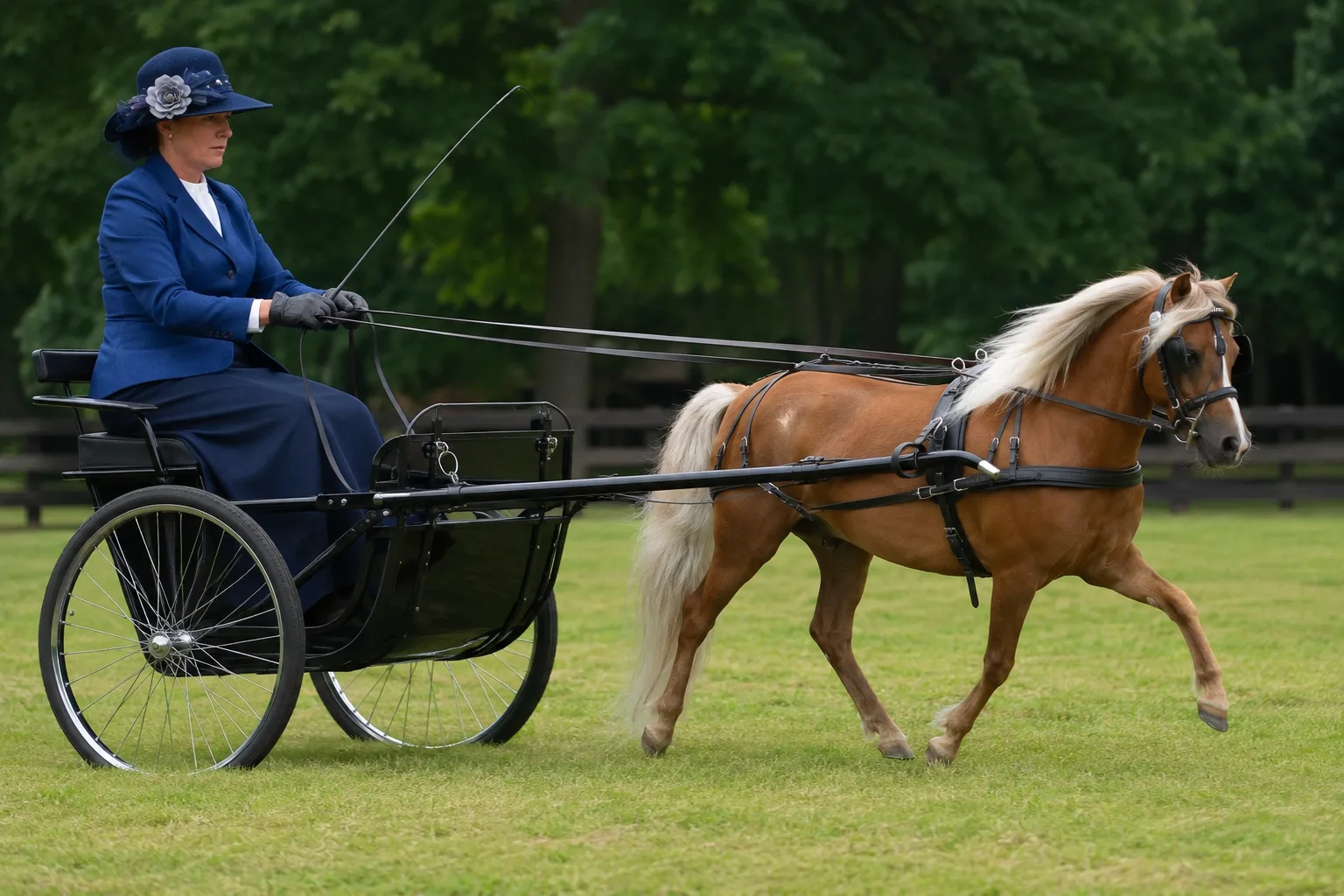
The gaits are lively, elevated, and energetic, with good hindquarter engagement and high knee action, particularly valued in harness driving.
- Uses: recreational and competitive driving, children's riding, showmanship, companion pony, breeding
- Disciplines: driving (full-scale and miniature), recreational riding, showmanship, conformation and movement classes
Feeding the American Shetland Pony
The American Shetland Pony is a pony with a generally efficient metabolism, tending to gain weight easily if overfed. Its diet should primarily consist of good quality forage, low in sugars and starch. Concentrates are only necessary for intense work or specific needs (growth, lactation), and must be carefully selected to avoid excess calories.
Like many ponies with an efficient metabolism, the American Shetland Pony is predisposed to Equine Metabolic Syndrome (EMS) and laminitis, especially in cases of overweight or excessive consumption of rich forage. Careful dietary management is crucial to prevent these conditions.
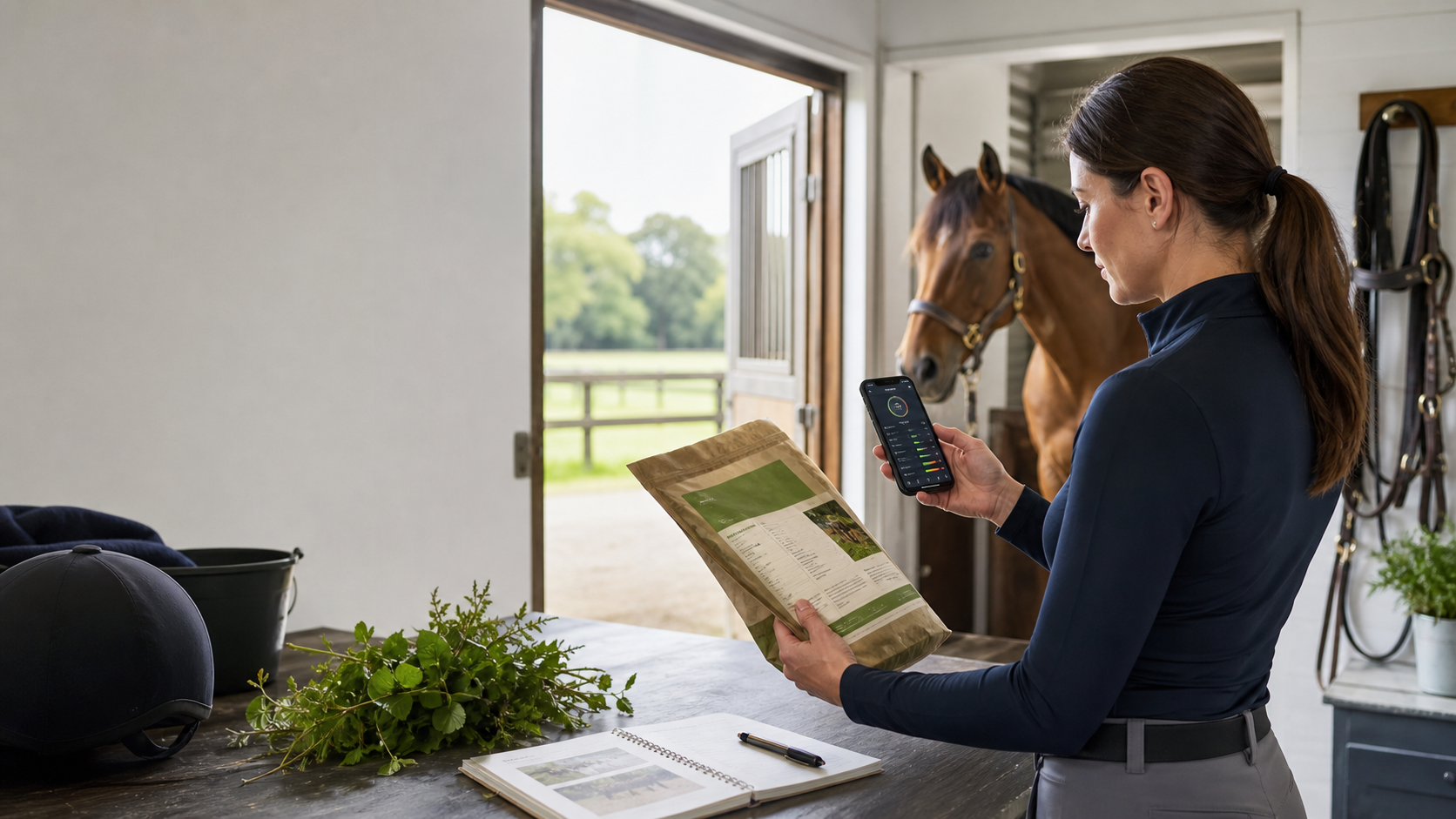
With Equio, every feed, supplement or treat is read against the horse's real profile (age, weight, Body Condition Score, conditions) — useful for a American Shetland Pony as soon as a metabolic or digestive sensitivity is known.
Health and points to watch
It is essential to carefully monitor the American Shetland Pony's weight and maintain a balanced diet to prevent laminitis and EMS. Particular attention should be paid to dental health and regular hoof trimming, as hooves can be prone to problems if the diet is unbalanced.
- More frequent conditions: laminitis, Equine Metabolic Syndrome (EMS), obesity
Care and grooming
Care is relatively simple. Regular hoof trimming is essential to maintain their integrity. The mane and tail, often abundant, require regular brushing to prevent tangles. The coat is easy to maintain, but clipping may be considered for show ponies or those working intensely.
Did you know?
- The American Shetland Pony is often shown in a four-in-hand harness, demonstrating its versatility and elegance.
- There are several types within the breed, including the 'Classic Shetland', which is closer to the original, and the 'Modern Shetland', which is more refined and slender.
- These ponies are very popular in driving competitions in the United States, where they are judged on their gaits and presentation.
The American Shetland Pony and how to track it
The breed is present in France, but in limited numbers. It is primarily bred by enthusiasts for recreational driving and children's riding, but remains less widespread than the original Scottish Shetland.
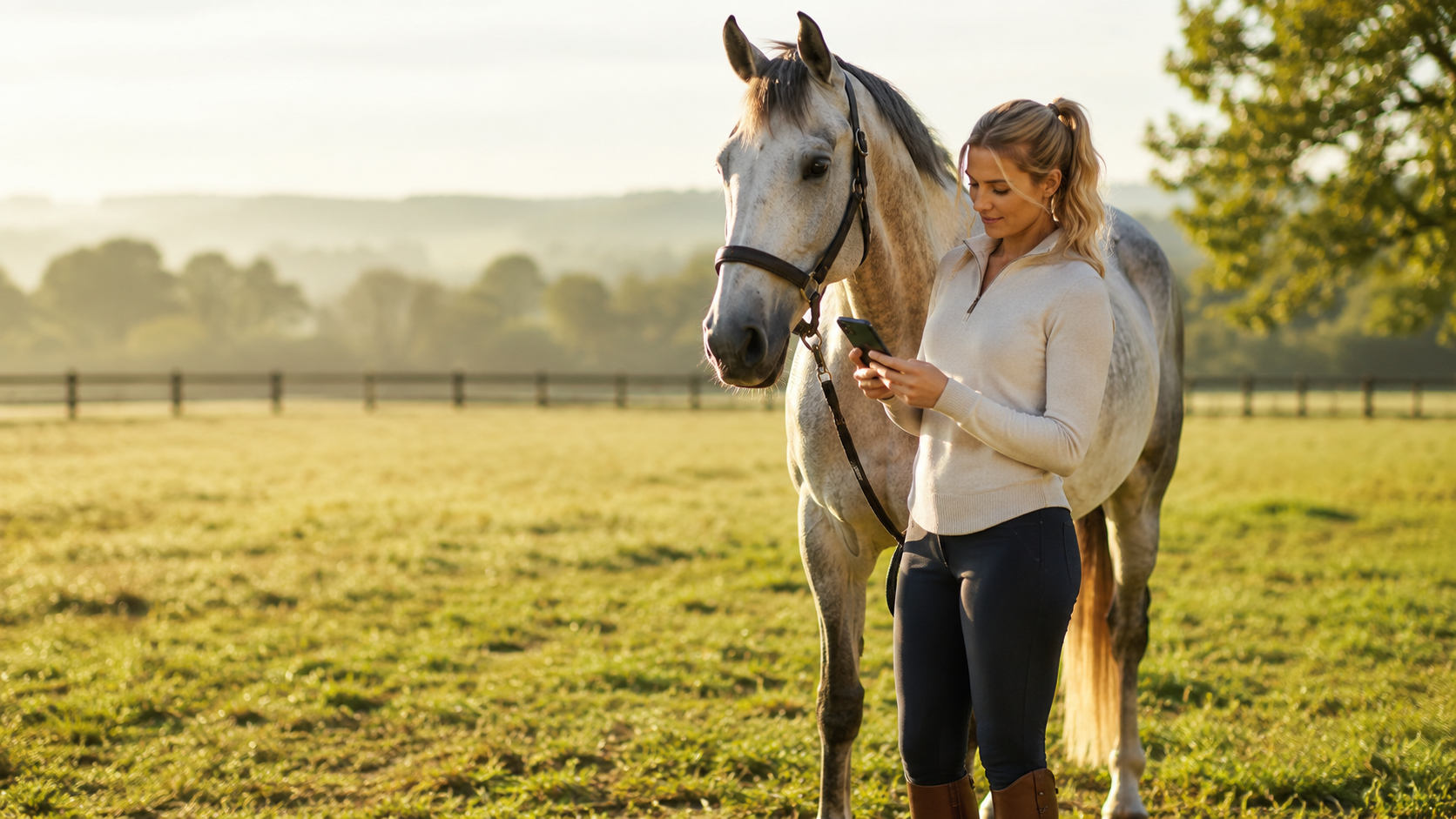
Equio lets you build a complete profile for a American Shetland Pony: identity, weight, Body Condition Score, feeding, conditions, care reminders (vaccines, worming, trimming) and an exportable health log. The breed sets the identity; everyday decisions still depend on the real horse and your vet's advice.
- Record the activity level: rest, leisure, sport or breeding
- Add known conditions or sensitivities
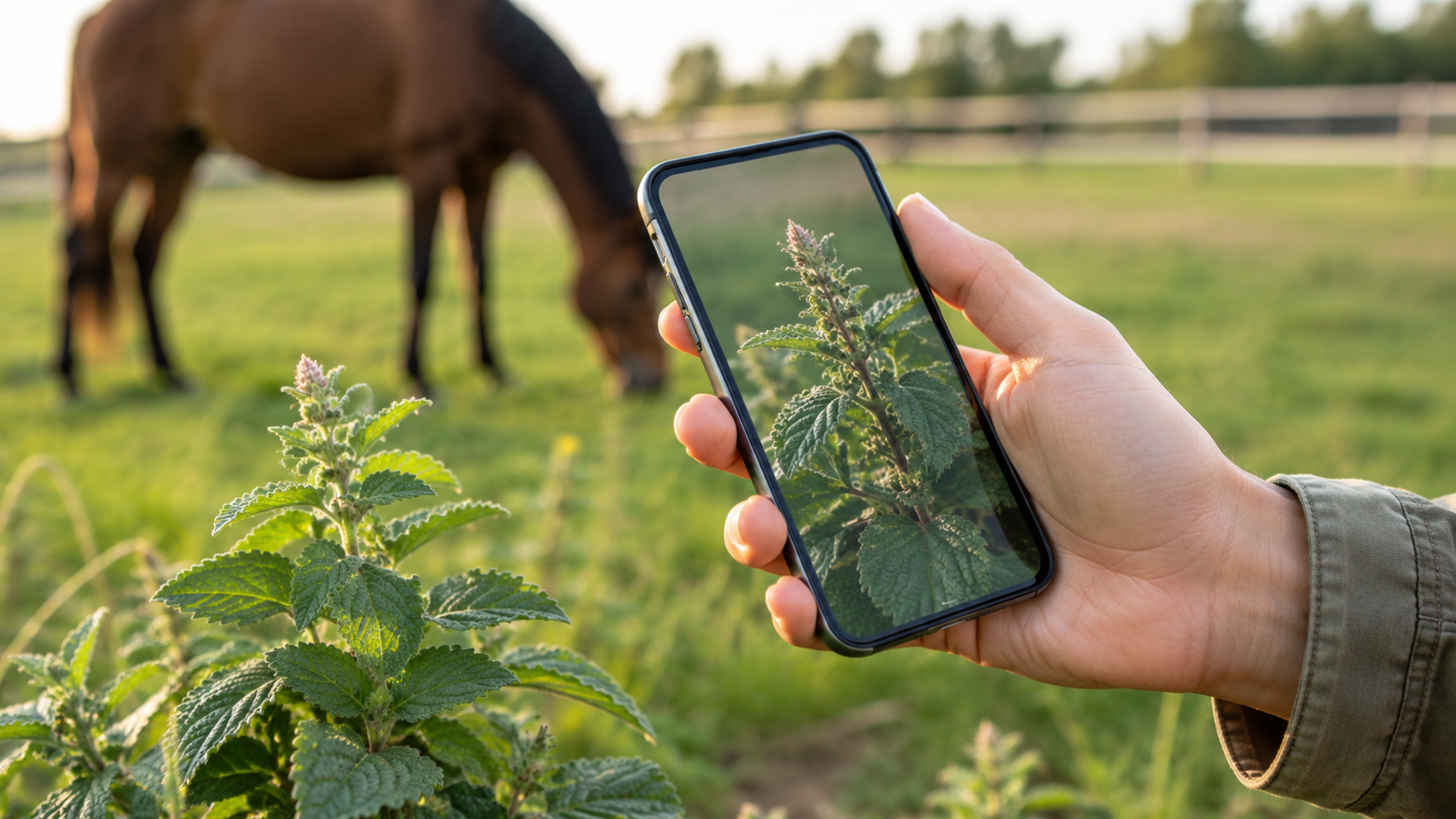
- Scan feeds, plants and care products
- Keep reminders (vaccines, worming, trimming)
- Prepare a PDF export before a vet appointment
Frequently asked questions
What is the difference between a Scottish Shetland and an American Shetland Pony?
The American Shetland Pony is generally taller, more refined, and more slender than the Scottish Shetland. It has been selectively bred for more elevated gaits and a milder temperament, whereas the Scottish Shetland is more rustic and stocky, bred for its hardiness.
Is the American Shetland Pony suitable for children?
Yes, thanks to its docile, intelligent, and willing temperament, the American Shetland Pony is an excellent pony for children. Its size and gentleness make it an ideal companion for learning riding and driving.
What are the main uses of the American Shetland Pony?
The American Shetland Pony is primarily used for driving, both recreational and competitive, where its elegant gaits are highly valued. It is also an excellent riding pony for children and participates in showmanship competitions.
Is the American Shetland Pony easy to care for?
Yes, it is a relatively easy pony to care for. However, due to its efficient metabolism, particular attention must be paid to its diet to prevent obesity and the risk of laminitis. Regular hoof care is also essential.
Can American Shetland Ponies be found in France?
Yes, it is possible to find American Shetland Ponies in France, although the breed is less common than other ponies. Passionate breeders import and raise this breed for its specific qualities in driving and for children.