
Horse breed
American Bashkir Curly
The exact origin of the American Bashkir Curly is debated, but the first curly-coated horses were documented in Nevada in the early 20th century. The Damele family played a crucial role in preserving and developing the breed from wild horses.

The breed at a glance
The Curly is renowned for its calm, gentle, and intelligent temperament. It is courageous, curious, and possesses a strong willingness to please, making it an excellent partner for work and leisure. It is also known for its resilience and survival instinct.
- Category
- hardy breed
- Origin
- United States · Late 19th century / Early 20th century
- Height at withers
- 142–160 cm
- Weight
- 450–550 kg
- Lifespan
- 25-30 years
- Common coats
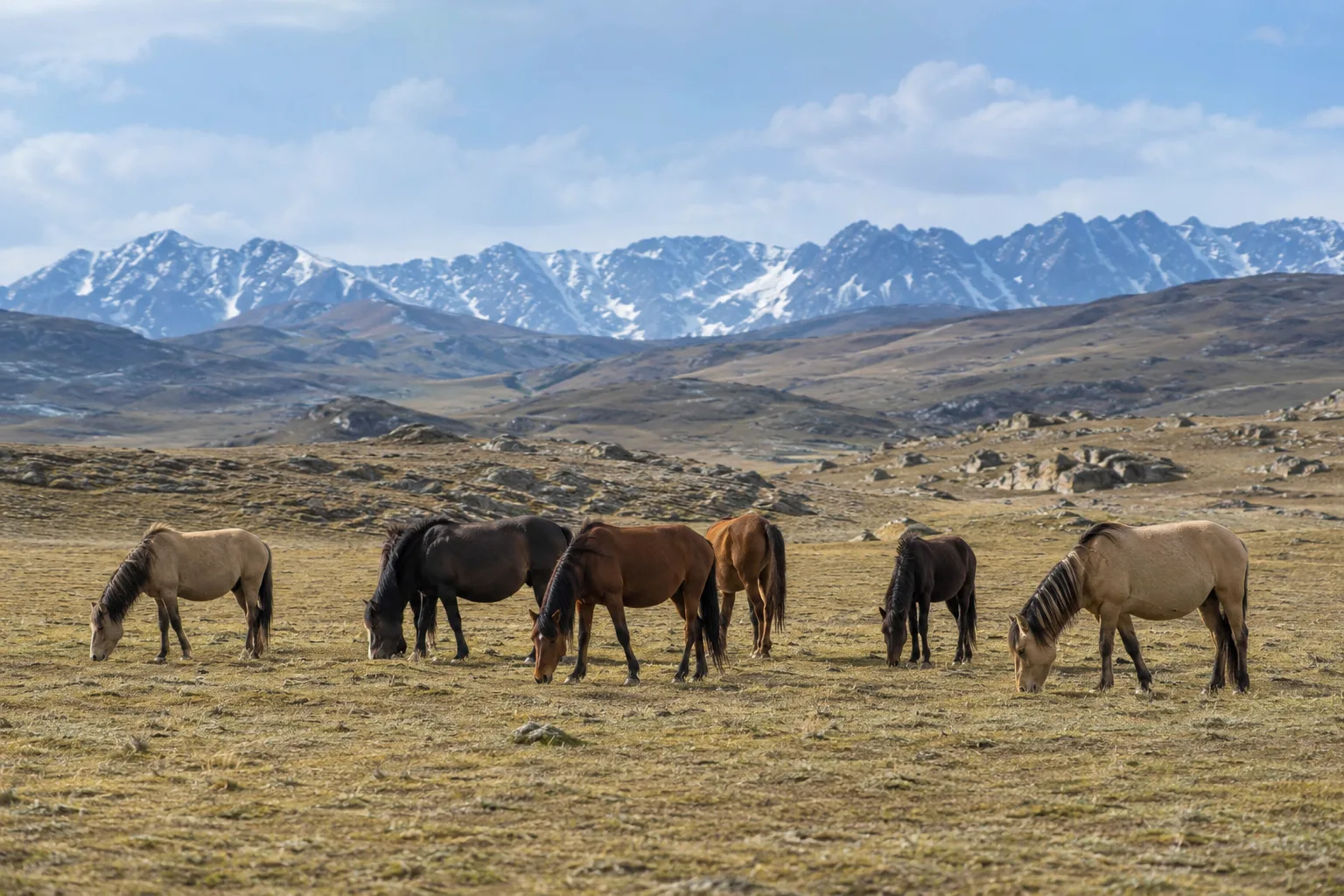
- all coat colors are accepted, bay, chestnut, black, grey, palomino, dun, pinto
- Disciplines
- dressage, show jumping, Western riding (reining, cutting, trail), endurance riding
- Other names
- Curly Horse, Bashkir Curly
Origin and history
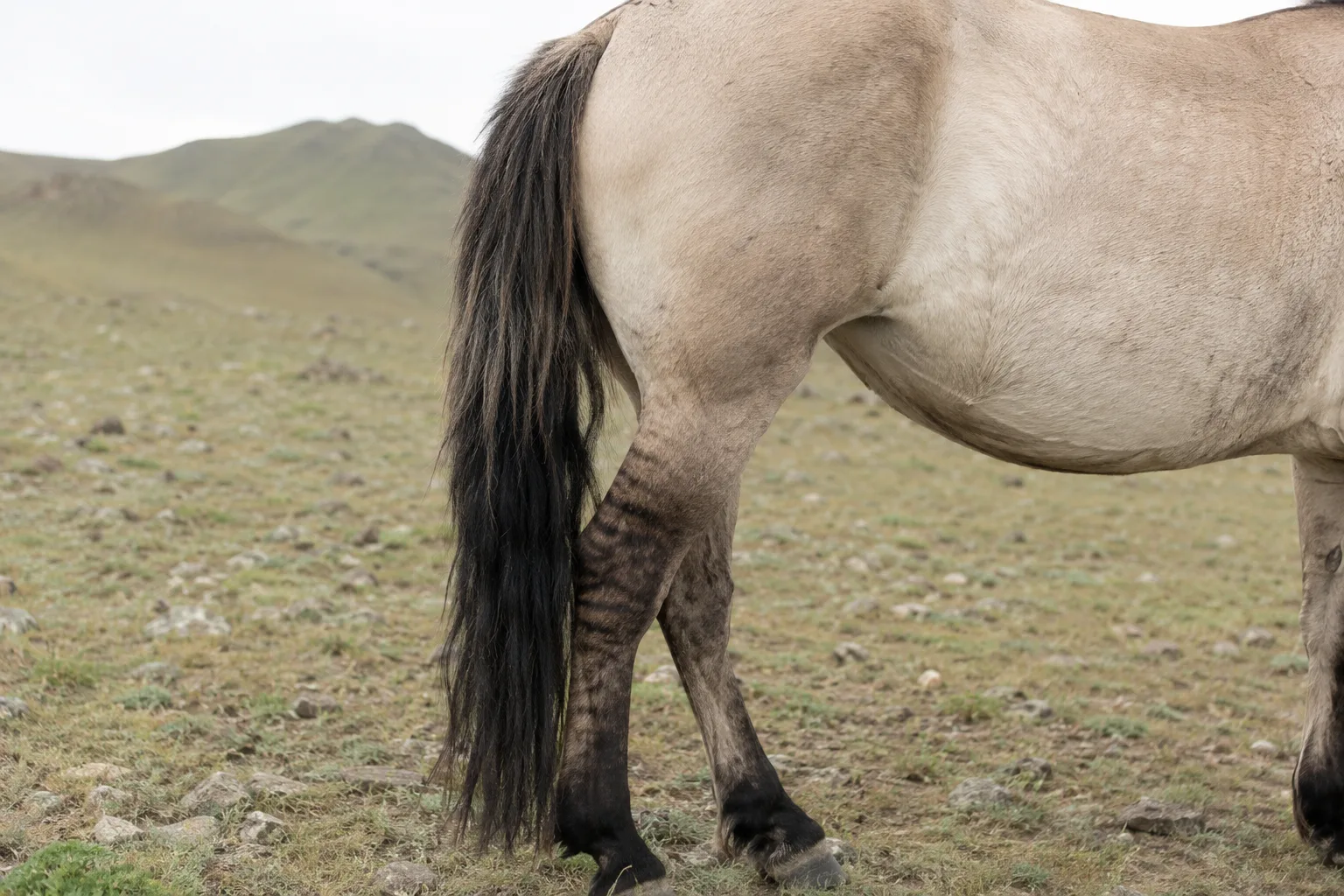
The exact origin of the American Bashkir Curly is debated, but the first curly-coated horses were documented in Nevada in the early 20th century. The Damele family played a crucial role in preserving and developing the breed from wild horses. The breed was officially recognized in the United States with the establishment of the American Bashkir Curly Registry in 1971. Theories suggest connections to Russian or Spanish horses, but none are definitively proven.
Conformation and physique
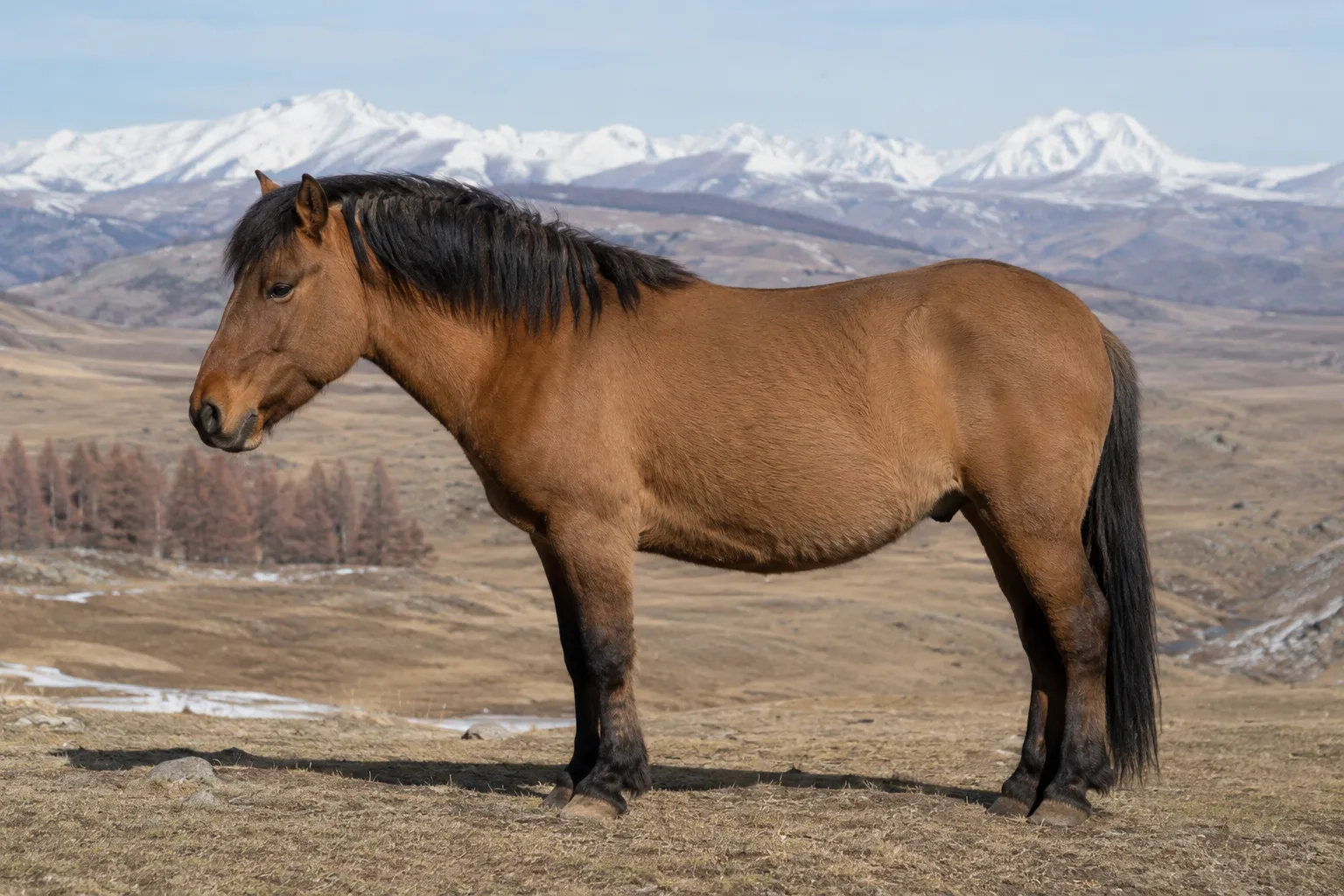
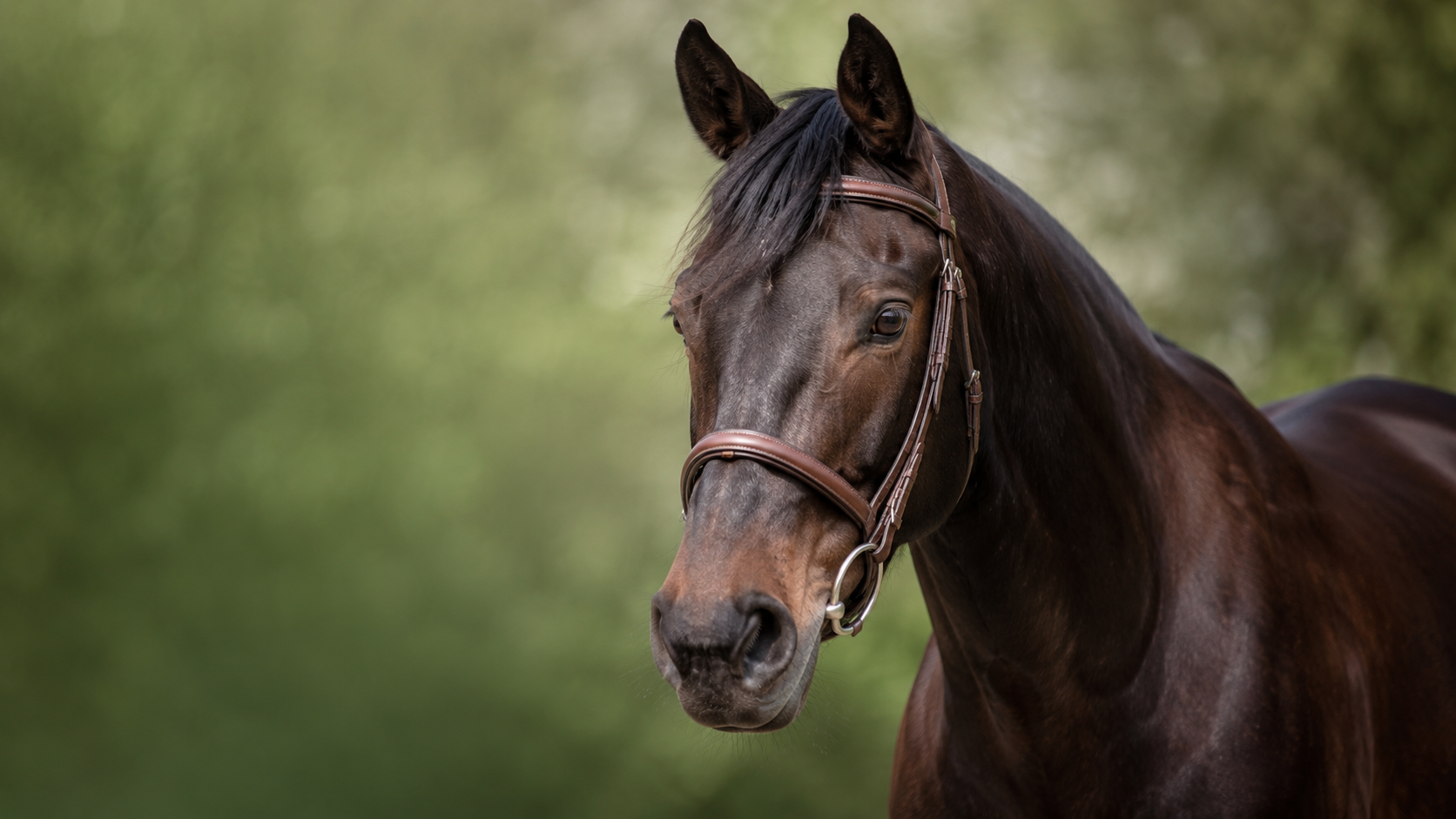
Medium to large-sized horse, robust and muscular, with strong bone structure. Its silhouette is harmonious and balanced, conveying an impression of strength and endurance. The most distinctive feature is its curly coat.
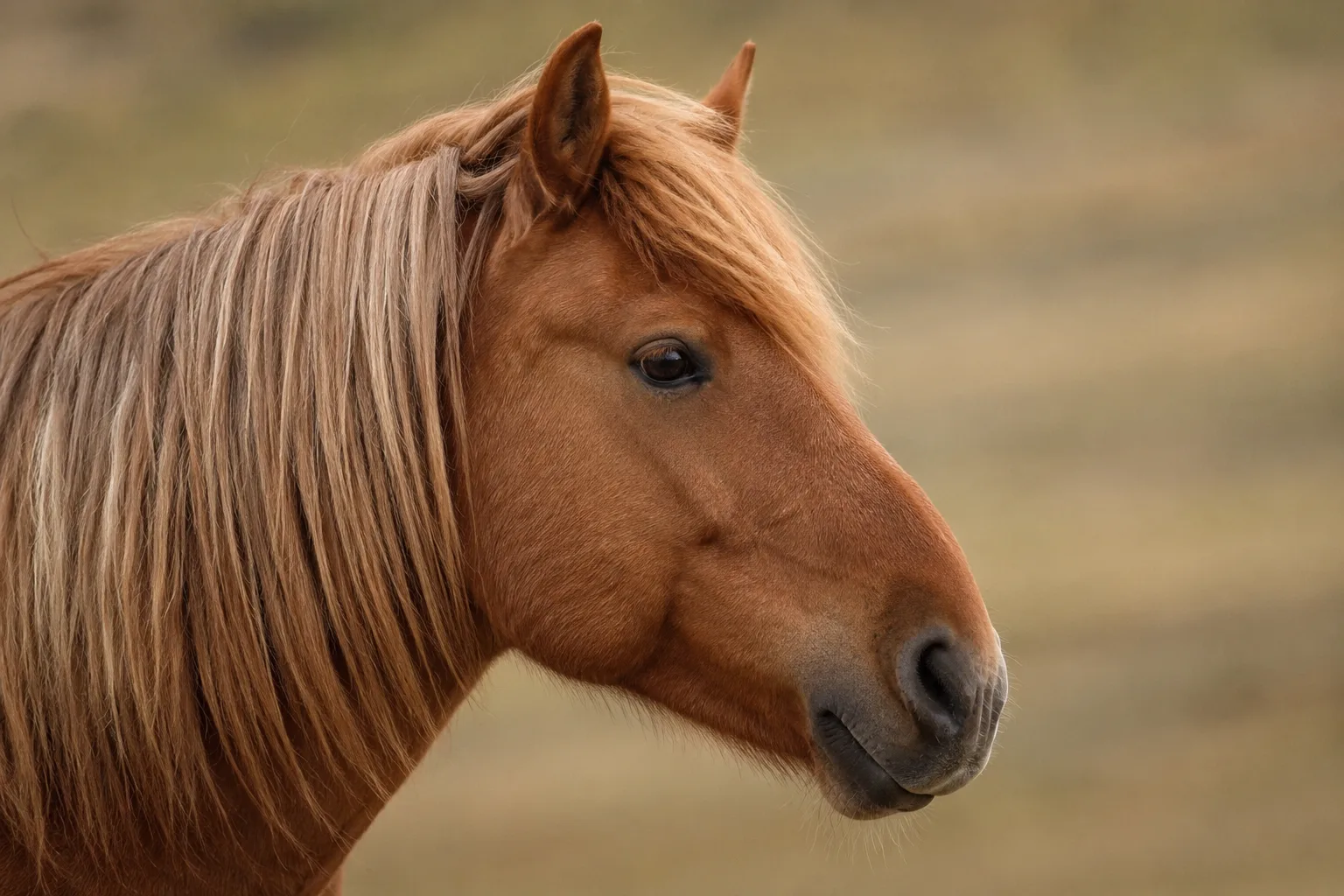
Expressive, medium-sized head, with a straight or slightly concave profile. The eyes are large and gentle, often almond-shaped. The ears are medium-sized, well-placed, and alert.
Medium-length neck, well-muscled and arched, blending harmoniously into a well-defined and muscular wither. The head carriage is proud.
Short, strong back, solid topline. Broad and deep chest, providing good lung capacity. Rounded and muscular croup, with a low-set tail.
Strong and well-muscled limbs, with broad joints and well-defined tendons. The cannons are short and the feet are round, hard, and well-proportioned. Feathering is often present, varying in thickness depending on the individual and the season.
- Common coats: all coat colors are accepted, bay, chestnut, black, grey, palomino, dun, pinto
Temperament and aptitudes
The Curly is renowned for its calm, gentle, and intelligent temperament. It is courageous, curious, and possesses a strong willingness to please, making it an excellent partner for work and leisure. It is also known for its resilience and survival instinct.
The gaits are straight, supple, expansive, and energetic. The walk is active, the trot is extended, and the canter is balanced, offering good comfort to the rider.
- Uses: recreational riding, trail riding, cattle work, driving, family horse
- Disciplines: dressage, show jumping, Western riding (reining, cutting, trail), endurance riding, vaulting
Feeding the American Bashkir Curly
The Curly is generally a horse with an efficient metabolism, capable of effectively utilizing forage. It tends to be a good doer and can easily become overweight if overfed or lacking exercise. A diet based on sufficient quantities of good quality forage (hay or grass) is paramount. Concentrates are only necessary in cases of intense work or specific needs, and should be adapted to avoid excesses of sugars and starch.
Although generally robust, the Curly, due to its efficient metabolism, can be predisposed to Equine Metabolic Syndrome (EMS) and laminitis if subjected to an overly rich diet or lack of exercise. Careful monitoring of its weight and diet is recommended.
With Equio, every feed, supplement or treat is read against the horse's real profile (age, weight, Body Condition Score, conditions) — useful for a American Bashkir Curly as soon as a metabolic or digestive sensitivity is known.

Health and points to watch
Particular attention should be paid to weight management and laminitis prevention, especially in individuals with a very efficient metabolism. The skin under the curly coat may require monitoring for potential irritations or dermatological problems, although this is rare.
- More frequent conditions: laminitis, Equine Metabolic Syndrome (EMS)
Care and grooming
The Curly's curly coat requires specific care. It typically sheds in summer, losing its curls for a smoother coat, and regains them in winter. Regular brushing is recommended to prevent tangles, especially during shedding. The mane and tail are often curly and can be left natural or braided. The hooves are renowned for their hardness and require regular trimming, as with any other breed.
Did you know?
- The gene responsible for the curly coat is dominant and unique to this breed, also imparting a particular texture to the mane, eyelashes, and ear hair.
- Many Curlies are hypoallergenic, making them suitable for people with horse allergies.
- The Curly is renowned for its ability to withstand extreme temperatures, thanks to its insulating winter coat and summer shed.
The American Bashkir Curly and how to track it
The American Bashkir Curly breed is present in France, but remains niche. A few passionate breeders contribute to its development, mainly for recreational and outdoor riding.
Equio lets you build a complete profile for a American Bashkir Curly: identity, weight, Body Condition Score, feeding, conditions, care reminders (vaccines, worming, trimming) and an exportable health log. The breed sets the identity; everyday decisions still depend on the real horse and your vet's advice.
- Record the activity level: rest, leisure, sport or breeding
- Add known conditions or sensitivities
- Scan feeds, plants and care products
- Keep reminders (vaccines, worming, trimming)
- Prepare a PDF export before a vet appointment
Frequently asked questions
Is the Curly truly hypoallergenic?
Yes, many individuals of the American Bashkir Curly breed are considered hypoallergenic. This is due to the unique structure of their hair, which produces fewer dander and allergenic proteins, or a different composition of these proteins, thereby reducing allergic reactions in some sensitive individuals.
How to care for a Curly's curly coat?
The care of the curly coat varies by season. In winter, regular brushing helps to detangle and remove dirt. During the summer shed, the horse loses its curls, and more frequent brushing may be necessary to help remove dead hair. The mane and tail can be left natural or braided to prevent knots.
Is the Curly suitable for beginners?
Yes, thanks to its calm, gentle, and intelligent temperament, the Curly is often considered an excellent breed for beginner riders or children. Its willingness to please and patience make it a reliable and safe partner.
What are the characteristics of the Curly's coat?
The main characteristic is the curly coat, the intensity of which can vary from slight waves to tight curls. The mane and tail are also curly, and even the eyelashes and hair inside the ears can be. In summer, the coat often becomes smoother, then the curls reappear in winter.
Is the Curly a hardy breed?
Absolutely. The Curly is known for its robustness and its ability to adapt to harsh environments. It is weather-resistant, has strong hooves, and is generally healthy, making it an easy-to-maintain horse well-suited for outdoor living.