
Horse breed
Abyssinian
The Abyssinian horse is an ancient breed originating from the high plateaus of Ethiopia, where it has been bred for centuries by local populations. Its exact origin is uncertain, but it is considered a descendant of indigenous East African horses.
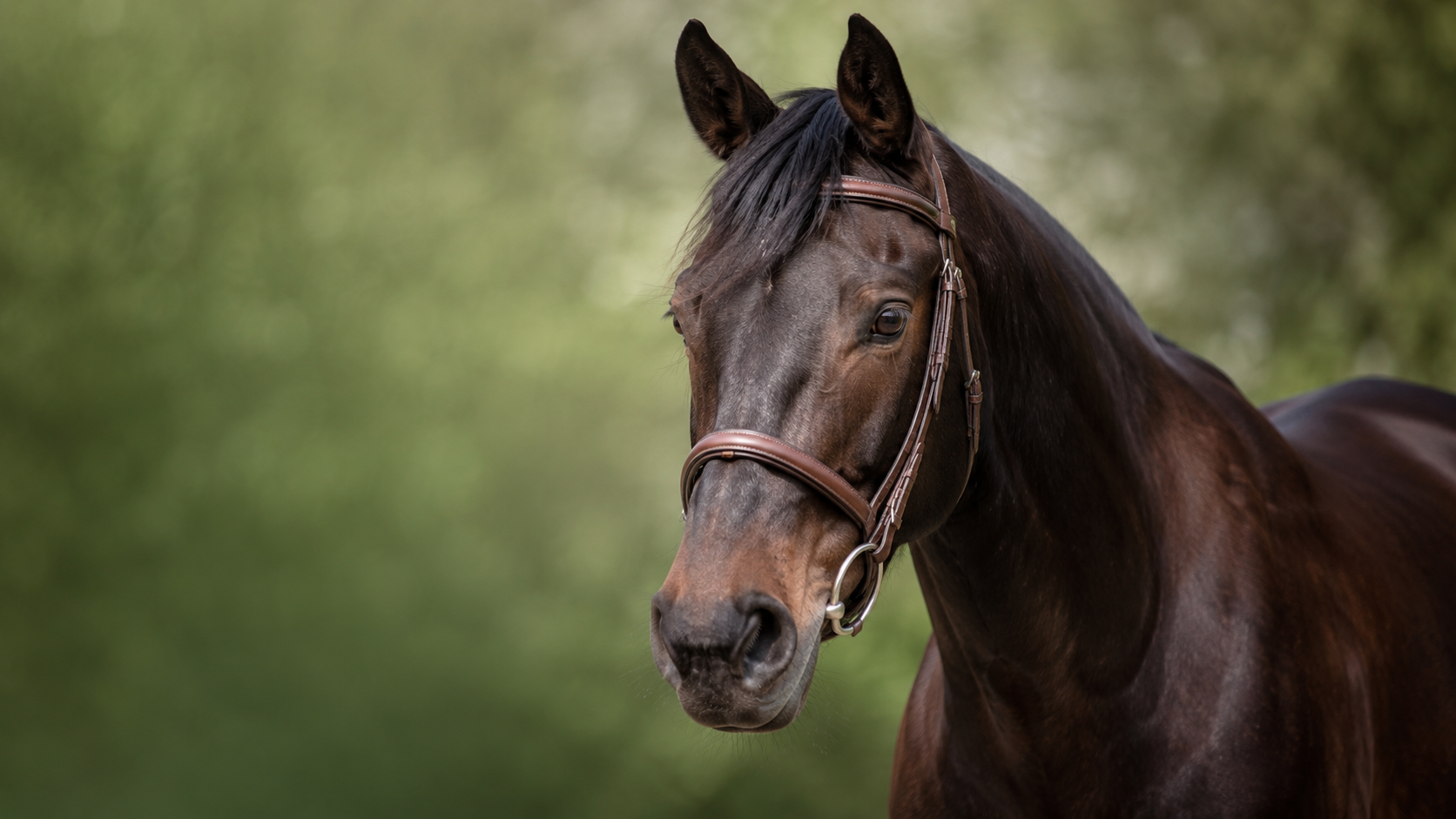
The breed at a glance
The Abyssinian horse is renowned for its calm, courageous, and docile temperament. It is intelligent, enduring, and very hardy, making it an excellent, reliable, and easy-to-handle working partner.
- Category
- hardy breed
- Origin
- Ethiopia · Antiquity / Middle Ages (modern establishment in the 20th century)
- Height at withers
- 120–140 cm
- Weight
- 250–350 kg
- Lifespan
- 20-25 years
- Common coats
- bay, chestnut, black, grey
- Disciplines
- equestrian trail riding, endurance (on a small, local scale), agricultural work
- Other names
- Cheval Abyssinien, Abyssinian Horse
Origin and history
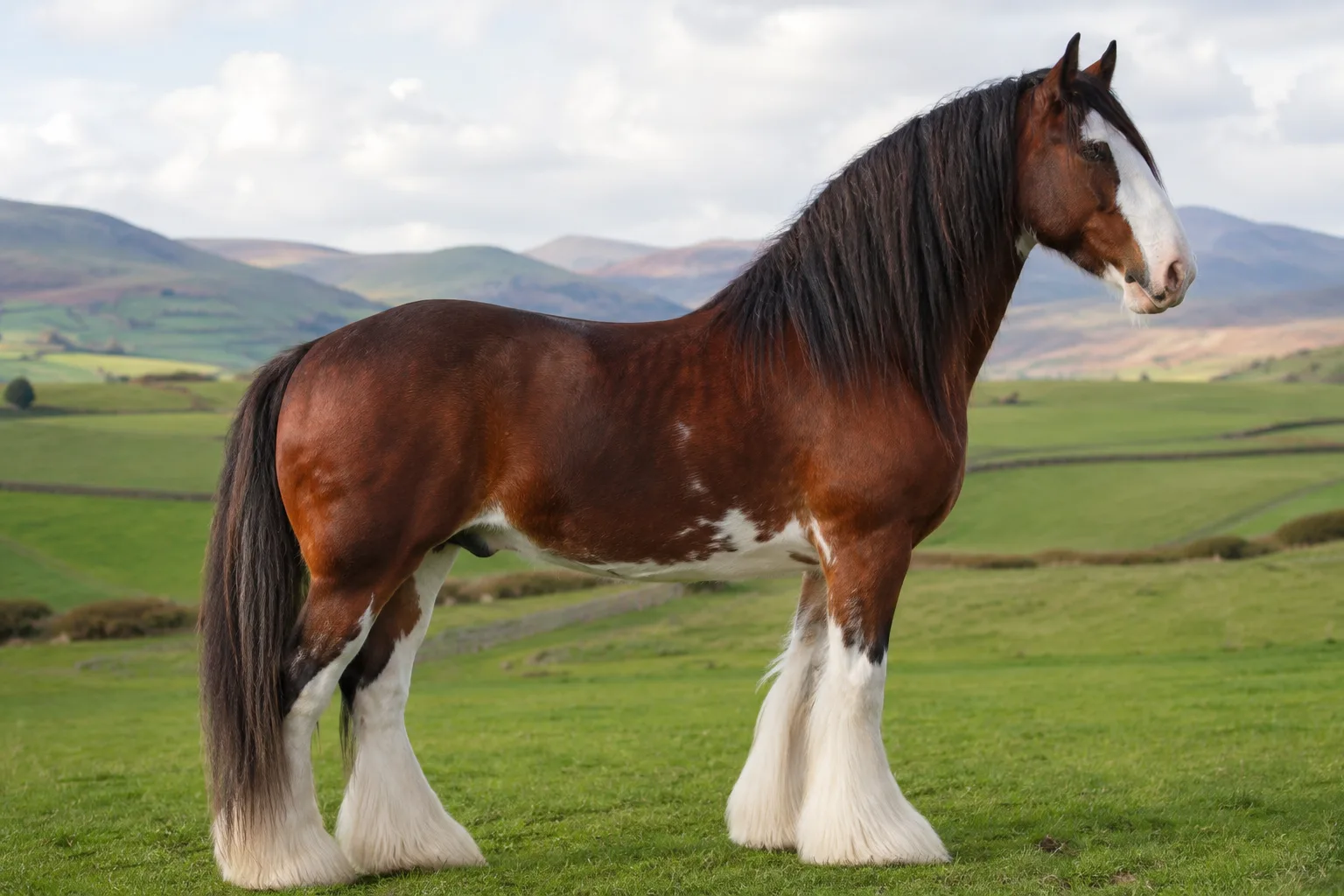
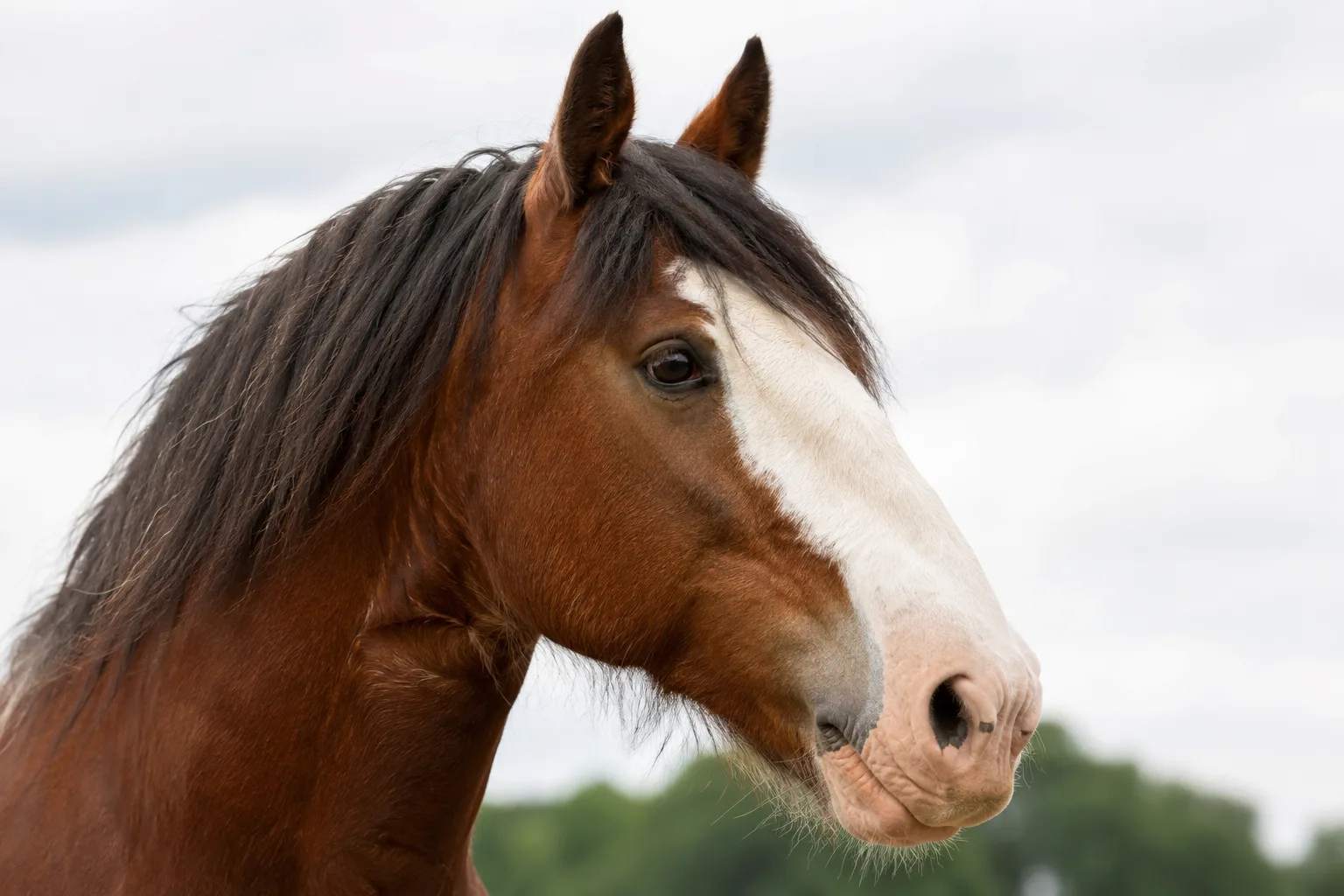
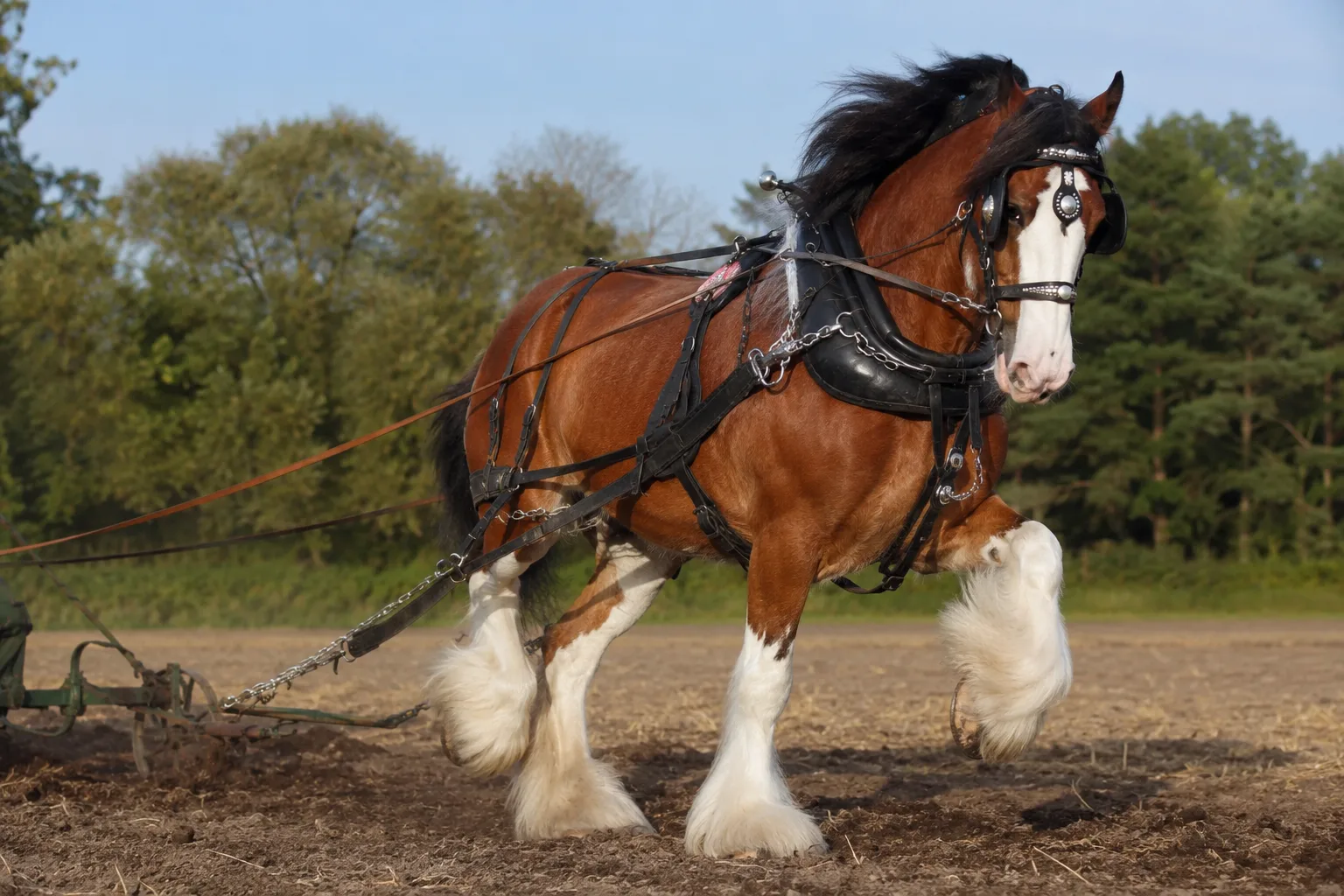
The Abyssinian horse is an ancient breed originating from the high plateaus of Ethiopia, where it has been bred for centuries by local populations. Its exact origin is uncertain, but it is considered a descendant of indigenous East African horses. The breed has been shaped by its mountainous environment and its use as a working and transport animal. Although little known outside of Ethiopia, it plays a crucial role in the local economy and culture.

Conformation and physique
It is a small-sized horse, compact and robust, with strong bone structure and well-developed musculature, adapted to difficult terrain. It exhibits a typical mountain horse silhouette, with great endurance.
The head is medium-sized, often with a straight or slightly convex profile. The eyes are expressive, and the ears are medium-sized and well-set.
The neck is short and muscular, well-set, blending into a low but broad wither.
The body is compact with a short, strong back, a solid topline, and a deep chest. The croup is generally rounded and muscular.
The limbs are short, clean, and very strong, with well-defined joints and clear tendons. The hooves are small, hard, and resilient, adapted to rocky terrain. Feathering is generally absent or very sparse.
- Common coats: bay, chestnut, black, grey
Temperament and aptitudes
The Abyssinian horse is renowned for its calm, courageous, and docile temperament. It is intelligent, enduring, and very hardy, making it an excellent, reliable, and easy-to-handle working partner.
Its gaits are energetic, sure-footed, and agile, with an excellent ability to navigate rugged terrain. The walk is particularly sure-footed, and the trot is active.
- Uses: transport of people and goods in mountainous regions, light agricultural work, pack horse, leisure and trail riding
- Disciplines: equestrian trail riding, endurance (on a small, local scale), agricultural work
Feeding the Abyssinian
The Abyssinian horse is a hardy and very economical breed, accustomed to limited food resources. Its metabolism is efficient, making it undemanding in terms of food quantity. It thrives on coarse forages and poor-quality pastures. Concentrates are generally only necessary for individuals undergoing very intense work or during breeding periods, and should be introduced cautiously to prevent obesity.
As a hardy and economical breed, the Abyssinian can be predisposed to obesity and metabolic problems such as laminitis or Equine Metabolic Syndrome (EMS) if its diet is too rich in sugars and starch, or if it is overfed. It is crucial to monitor its weight and adapt its diet to its activity level.
With Equio, every feed, supplement or treat is read against the horse's real profile (age, weight, Body Condition Score, conditions) — useful for a Abyssinian as soon as a metabolic or digestive sensitivity is known.
Health and points to watch
The Abyssinian's hardiness generally makes it resistant to diseases. However, particular attention should be paid to parasite management, regular dental care, and obesity prevention. The quality of its hooves must be maintained through regular trimming, even though they are naturally tough.
- More frequent conditions: age-related dental problems, gastrointestinal parasitism (in the absence of adequate deworming)
Care and grooming
The Abyssinian's hooves are naturally hard and tough, but regular trimming is essential to maintain their shape and prevent uneven wear. The mane and tail are generally thick and require no special care beyond occasional brushing. The coat is easy to maintain and only needs regular brushing to remove dirt and loose hair. Clipping is rarely necessary, except for aesthetic reasons or comfort in hot climates.
Did you know?
- The Abyssinian is one of the rare indigenous equine breeds of East Africa, having survived and thrived in challenging environmental conditions.
- It is often used as a mount by Ethiopian priests and monks to reach isolated monasteries in the mountains.
- Its small size and hardiness have earned it the nickname 'mountain horse' in Ethiopia.
The Abyssinian and how to track it
The Abyssinian breed is extremely rare outside of Ethiopia. There is no documented breeding or significant population of Abyssinian horses in France. Its presence is likely limited to a few isolated individuals or zoos.
Equio lets you build a complete profile for a Abyssinian: identity, weight, Body Condition Score, feeding, conditions, care reminders (vaccines, worming, trimming) and an exportable health log. The breed sets the identity; everyday decisions still depend on the real horse and your vet's advice.
- Record the activity level: rest, leisure, sport or breeding
- Add known conditions or sensitivities
- Scan feeds, plants and care products
- Keep reminders (vaccines, worming, trimming)
- Prepare a PDF export before a vet appointment
Frequently asked questions
Is the Abyssinian horse easy to find outside of Ethiopia?
No, the Abyssinian horse is a very localized breed, and it is extremely rare to find it outside its country of origin, Ethiopia. There is no known international breeding program for this breed.
What is the typical temperament of an Abyssinian?
The Abyssinian is known for its calm, courageous, and docile temperament. It is a reliable, intelligent, and very enduring horse, making it easy to work with and handle, even for less experienced riders.
Is the Abyssinian adapted to cold climates?
Originating from the Ethiopian highlands, the Abyssinian is accustomed to temperature variations. Its hardiness and coat can allow it to adapt to cooler climates, but it is not specifically adapted to extreme cold without adequate shelter.
What are the main uses of the Abyssinian?
Historically and currently, the Abyssinian is primarily used for the transport of people and goods over difficult mountainous terrain. It is also employed for light agricultural work and as a pack horse, as well as for local leisure riding.
Does the Abyssinian have specific health problems?
It is a very hardy and generally healthy breed. The main concerns are related to an overly rich diet that can lead to obesity and metabolic problems, as well as dental care and parasite management, as with any horse.